
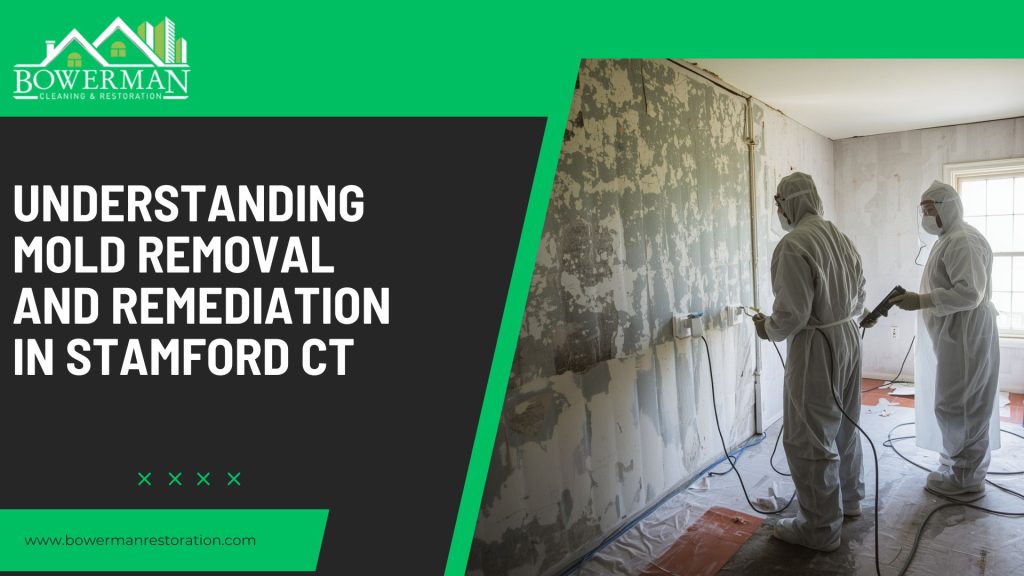

When homeowners in Stamford, Connecticut discover mold in their properties, they often encounter two distinct terms that seem interchangeable but represent fundamentally different approaches to addressing fungal contamination. Understanding the difference between mold removal and mold remediation becomes crucial when making informed decisions about protecting your family’s health and preserving your property’s value.
Mold removal suggests a complete elimination process where every trace of mold spores disappears from your environment. This terminology creates unrealistic expectations because mold spores naturally exist everywhere in our atmosphere, making absolute removal impossible. Professional restoration companies recognize this biological reality and focus on practical solutions that restore indoor environments to safe, healthy conditions.
Mold remediation represents a comprehensive, science-based approach that acknowledges the natural presence of mold spores while systematically reducing contamination levels to normal, acceptable ranges. This process involves identifying moisture sources, containing affected areas, removing contaminated materials, cleaning surfaces, and implementing preventive measures to discourage future growth.
Connecticut’s humid climate, particularly in coastal areas like Stamford, creates ideal conditions for mold proliferation. Summer humidity levels frequently exceed 60 percent, while seasonal temperature fluctuations cause condensation issues in poorly ventilated spaces. These environmental factors make understanding proper mold management essential for local homeowners.
The distinction between removal and remediation affects everything from project scope and timeline to cost expectations and long-term effectiveness. Homeowners who pursue complete “removal” often find themselves disappointed when mold returns, while those who invest in proper remediation enjoy lasting results and improved indoor air quality.
Professional mold remediation companies in Stamford follow established industry protocols developed by organizations like the Institute of Inspection, Cleaning and Restoration Certification (IICRC) and the Environmental Protection Agency (EPA). These standards ensure consistent, effective treatment that addresses both visible contamination and underlying causes.
Key Takeaways
For additional context, see this comprehensive guide.
- Mold removal implies complete elimination – This terminology suggests that all mold spores can be permanently eliminated from an environment, which is scientifically impossible since mold spores naturally exist in outdoor and indoor air throughout Connecticut.
- Mold remediation focuses on restoration – Professional remediation reduces mold contamination to normal, acceptable levels while addressing moisture sources and implementing preventive measures to discourage future growth in your Stamford property.
- Remediation includes comprehensive assessment – The process begins with thorough inspection using moisture meters, thermal imaging, and air quality testing to identify all affected areas and underlying causes of mold growth.
- Containment prevents cross-contamination – Professional remediation establishes negative air pressure systems and physical barriers to prevent mold spores from spreading to unaffected areas during the cleanup process.
- Material removal follows specific protocols – Contaminated porous materials like drywall, insulation, and carpeting are carefully removed and disposed of according to EPA guidelines, while non-porous surfaces undergo specialized cleaning procedures.
- Moisture control ensures long-term success – Effective remediation addresses water intrusion sources, improves ventilation, and may include dehumidification systems to maintain optimal humidity levels below 60 percent.
- Professional equipment makes the difference – Certified technicians use HEPA filtration systems, antimicrobial treatments, and specialized drying equipment that homeowners cannot access through retail channels.
- Documentation provides peace of mind – Reputable remediation companies provide detailed reports, before-and-after photos, and clearance testing results to verify successful completion of the project.
Overview of Mold Issues in Stamford Connecticut
For additional context, see detailed information on this topic.
Stamford’s geographical location along Long Island Sound creates a unique microclimate that significantly influences mold growth patterns throughout the region. The city’s proximity to water bodies generates consistent moisture levels, while seasonal weather variations contribute to condensation problems in residential and commercial buildings.
Local building construction practices also impact mold susceptibility. Many Stamford homes feature basements and crawl spaces that experience moisture intrusion during heavy rainfall or snowmelt periods. Older properties may lack proper vapor barriers or adequate ventilation systems, creating environments where mold thrives.
The distinction between mold removal and remediation becomes particularly relevant in Stamford’s housing market, where property values remain high and homeowners seek long-term solutions rather than temporary fixes. Real estate transactions often involve mold inspections, making proper remediation documentation essential for maintaining property marketability.
Understanding local regulations also influences treatment decisions. Connecticut follows EPA guidelines for mold management, and some insurance policies specify coverage requirements that favor professional remediation over simple removal attempts. Homeowners who choose appropriate remediation services often find better insurance cooperation and claims processing.
Professional restoration companies serving Stamford recognize these regional factors and tailor their approaches accordingly. They understand local building codes, common construction materials, and typical moisture sources that affect properties throughout Fairfield County.

What Mold Removal Actually Means
For additional context, see our in-depth resource.
Mold removal, as commonly understood by homeowners, suggests a process where all mold spores are permanently eliminated from an indoor environment. This interpretation creates unrealistic expectations because mold spores naturally circulate in outdoor air and continuously enter buildings through normal ventilation, door openings, and human activity.
When contractors promise complete mold removal, they often focus on visible contamination without addressing underlying moisture sources or implementing preventive measures. This approach may temporarily improve appearance but fails to prevent recurrence, leading to repeated treatments and ongoing frustration for property owners.
Simple removal techniques typically involve surface cleaning with household products, painting over affected areas, or removing obviously contaminated materials without proper containment procedures. These methods can actually worsen contamination by disturbing mold colonies and releasing additional spores into the air.
The removal mindset also tends to ignore hidden contamination behind walls, under flooring, or within HVAC systems. Contractors focused solely on removal may miss significant problem areas that continue generating spores and compromising indoor air quality long after visible issues appear resolved.
Professional restoration experts avoid promising complete removal because they understand the scientific impossibility of achieving a completely mold-free environment. Instead, they focus on practical goals that restore healthy indoor conditions while managing homeowner expectations appropriately.
Some unscrupulous contractors exploit homeowner confusion about removal versus remediation by offering unrealistic guarantees or extremely low pricing that cannot support proper procedures. These situations often result in inadequate treatment, recurring problems, and additional expenses for homeowners who must restart the process with qualified professionals.
For those seeking to understand comprehensive approaches to addressing mold concerns, learning about this process provides valuable insight into industry best practices and realistic outcomes.

Understanding Professional Mold Remediation
For additional context, see expert insights in this article.
Professional mold remediation represents a systematic, science-based approach that acknowledges the natural presence of mold spores while working to restore indoor environments to safe, healthy conditions. This comprehensive process addresses both visible contamination and underlying factors that support mold growth.
The remediation process begins with detailed assessment using professional-grade equipment including moisture meters, thermal imaging cameras, and air quality testing devices. These tools help identify all affected areas, including hidden contamination that visual inspection might miss, ensuring comprehensive treatment planning.
Containment procedures form a critical component of proper remediation. Technicians establish negative air pressure systems using specialized equipment to prevent mold spores from spreading to unaffected areas during cleanup activities. Physical barriers, including plastic sheeting and sealed doorways, further isolate work zones.
Material removal follows specific protocols based on contamination severity and material porosity. Non-porous surfaces like metal, glass, and sealed wood can often be cleaned and restored, while porous materials such as drywall, insulation, and carpeting typically require removal and replacement when heavily contaminated.
HEPA filtration systems continuously clean air during remediation activities, capturing microscopic particles and maintaining improved air quality throughout the process. These industrial-grade units operate at much higher efficiency levels than consumer air purifiers, providing superior protection for both workers and occupants.
Antimicrobial treatments applied to cleaned surfaces help prevent immediate recolonization while addressing any remaining spores that standard cleaning might miss. Professional-grade products used in remediation offer longer-lasting protection than household alternatives.
Moisture control measures address the root causes of mold growth, including water intrusion repairs, ventilation improvements, and humidity management systems. Without proper moisture control, even the most thorough cleaning efforts will eventually fail as new mold growth develops.
Documentation throughout the remediation process provides valuable records for insurance claims, real estate transactions, and future reference. Professional companies maintain detailed logs of activities, moisture readings, and air quality measurements that demonstrate the thoroughness of their work.
The Science Behind Effective Mold Management
For additional context, see step-by-step instructions.
Understanding the biological nature of mold helps explain why remediation succeeds where simple removal fails. Mold represents a diverse group of fungi that reproduce through microscopic spores, which remain viable for extended periods and can survive in dormant states until favorable conditions return.
Mold spores require three basic conditions for active growth: moisture, organic food sources, and appropriate temperatures. Connecticut’s climate provides suitable temperatures year-round, while building materials like wood, paper, and fabric offer abundant food sources. Moisture control therefore becomes the primary factor in successful mold management.
Professional remediation addresses the mold life cycle by removing active colonies, reducing spore concentrations, and eliminating moisture sources that support future growth. This multi-faceted approach recognizes that addressing only one aspect of the problem leads to incomplete solutions.
Air quality testing before, during, and after remediation provides objective measurements of spore concentrations and treatment effectiveness. These scientific assessments help verify that remediation goals have been achieved and indoor air quality meets acceptable standards.
Different mold species require varying approaches based on their growth characteristics, health implications, and resistance to treatment. Professional remediation companies understand these differences and adjust their procedures accordingly, ensuring appropriate treatment for specific contamination types.
Moisture measurement using calibrated instruments helps identify problem areas and verify that conditions supporting mold growth have been eliminated. Professional-grade moisture meters can detect elevated humidity levels in building materials that might not be apparent through visual inspection.
The concept of “normal fungal ecology” guides professional remediation standards. Rather than attempting impossible elimination, successful remediation restores indoor spore levels to ranges typically found in healthy buildings, creating environments where mold cannot establish problematic colonies.
Research continues to refine remediation techniques and develop new technologies for mold management. Professional restoration companies stay current with industry developments, incorporating improved methods and equipment as they become available.
Cost Considerations and Long-Term Value
The financial implications of choosing between removal and remediation extend far beyond initial service costs. While simple removal attempts may appear less expensive upfront, they often lead to recurring problems that require repeated treatments, ultimately costing more than proper remediation.
Professional remediation involves higher initial investment due to specialized equipment, trained personnel, and comprehensive procedures. However, this investment typically provides lasting results that protect both property values and occupant health, making it more cost-effective over time.
Insurance coverage often favors professional remediation over simple removal attempts. Many policies require documentation of proper procedures and may deny claims for recurring problems that result from inadequate initial treatment. Working with certified professionals helps ensure insurance cooperation and coverage.
Property value protection represents another significant financial consideration. Homes with documented professional remediation typically maintain better marketability than properties with histories of recurring mold problems or amateur treatment attempts. Real estate transactions increasingly involve mold inspections, making proper documentation valuable.
Health-related costs associated with ongoing mold exposure can exceed remediation expenses significantly. Professional remediation that successfully addresses contamination helps prevent respiratory problems, allergic reactions, and other health issues that might require medical treatment.
Energy efficiency improvements often accompany professional remediation projects. Moisture control measures, ventilation upgrades, and insulation replacement can reduce utility costs while preventing future mold problems, providing ongoing financial benefits.
For homeowners in Fairfield County seeking professional services, understanding the complete scope of remediation helps justify the investment in proper treatment.
Preventive measures implemented during professional remediation help avoid future contamination events. These long-term benefits include improved indoor air quality, reduced maintenance requirements, and decreased likelihood of costly emergency situations.
Frequently Asked Questions
What is the main difference between mold removal and mold remediation in Stamford CT?
Mold removal implies complete elimination of all mold spores, which is scientifically impossible since spores naturally exist in the environment. Mold remediation focuses on reducing contamination to normal, acceptable levels while addressing moisture sources and implementing preventive measures for long-term success.
How long does professional mold remediation typically take in Stamford homes?
Remediation timelines vary based on contamination extent, affected materials, and property size. Small projects may complete in 2-3 days, while extensive contamination can require 1-2 weeks. Weather conditions and drying time for repairs may extend overall project duration.
Can I perform mold remediation myself instead of hiring professionals?
Small areas under 10 square feet might be manageable for homeowners with proper equipment and knowledge. However, extensive contamination, hidden mold, or health concerns warrant professional treatment. Improper DIY attempts can worsen contamination and create safety hazards.
What should I expect during the mold remediation process?
Professional remediation involves assessment, containment, material removal, cleaning, antimicrobial treatment, and moisture control. The process includes air quality testing, documentation, and verification that contamination has been reduced to acceptable levels. For detailed information about each step, our comprehensive guide provides valuable insights.
How do I know if mold remediation was successful?
Successful remediation is verified through post-treatment air quality testing, visual inspection, and moisture measurements. Professional companies provide clearance testing results and documentation showing that spore levels have returned to normal ranges found in healthy buildings.
Will mold return after professional remediation?
Proper remediation that addresses moisture sources and implements preventive measures significantly reduces the likelihood of recurrence. However, new water intrusion events or maintenance neglect can create conditions for future mold growth regardless of previous treatment quality.
What factors affect mold remediation costs in Stamford?
Costs depend on contamination extent, affected materials, accessibility, required repairs, and testing needs. Properties requiring structural repairs or extensive material replacement cost more than surface contamination cleanup. Geographic location and local labor rates also influence pricing.
How can I prevent mold problems after remediation?
Maintain indoor humidity below 60 percent, promptly address water leaks, ensure adequate ventilation, and conduct regular inspections of moisture-prone areas. Professional remediation companies often provide specific recommendations based on your property’s characteristics and local climate conditions.
Conclusion
The distinction between mold removal and mold remediation represents more than semantic differences—it reflects fundamentally different approaches to addressing fungal contamination in Stamford homes. Understanding these differences empowers homeowners to make informed decisions that protect their families’ health and preserve their property investments.
Mold removal’s promise of complete elimination creates unrealistic expectations and often leads to recurring problems, while professional remediation acknowledges scientific realities and focuses on achievable, lasting solutions. The comprehensive nature of proper remediation addresses not only visible contamination but also underlying moisture sources and preventive measures that discourage future growth.
Stamford’s coastal climate and building characteristics make professional remediation particularly valuable for local homeowners. The investment in proper treatment typically provides superior long-term results compared to simple removal attempts, offering better protection for both health and property values.
When facing mold concerns in your Stamford property, choosing qualified professionals who understand the difference between removal and remediation ensures that you receive appropriate treatment based on scientific principles rather than marketing promises. This decision ultimately determines whether you achieve lasting resolution or face recurring problems that compromise your indoor environment.
Bowerman Cleaning & Restoration brings extensive experience in professional mold remediation to Stamford and surrounding Fairfield County communities. Our certified technicians understand local building characteristics, climate factors, and regulatory requirements that influence successful mold management. We focus on comprehensive remediation approaches that address both immediate contamination and long-term prevention, providing homeowners with lasting solutions and peace of mind.