
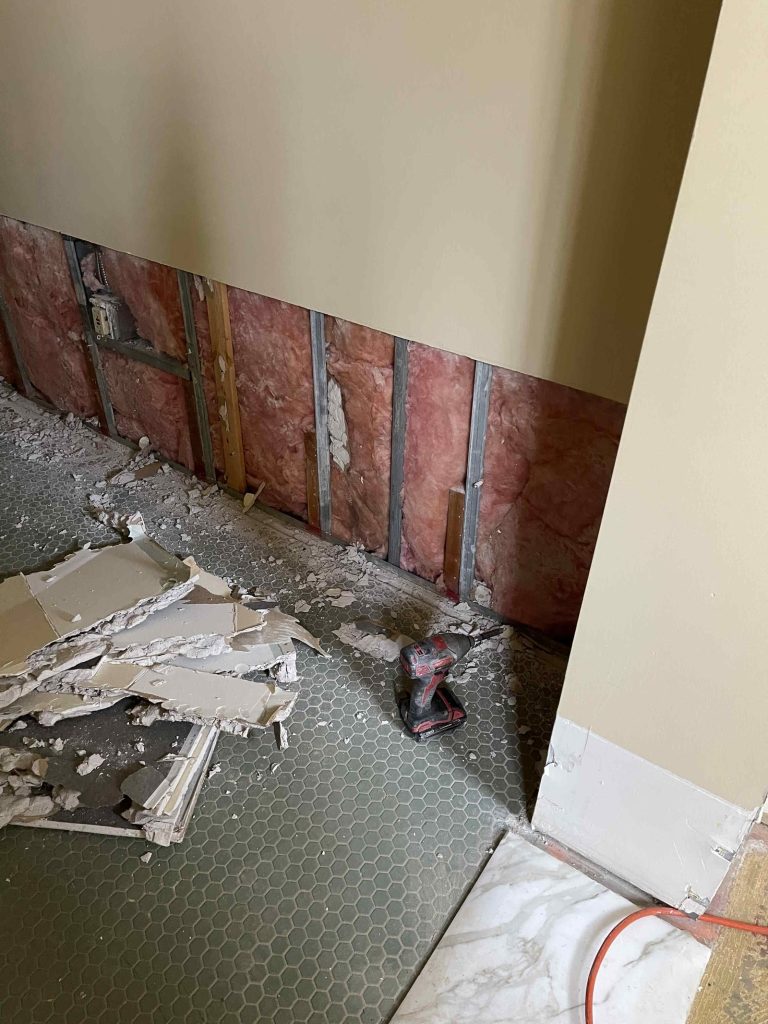
Water damage restoration vs water damage repair comes down to this: was the structure dried and documented, or were only the visible finishes replaced? Professional water damage restoration services include extraction, measured drying, cleaning and then rebuild. Repair, on its own, often means patching drywall or flooring. In NY homes, skipping drying can leave moisture in the wall.
Written by the Bowerman Cleaning and Restoration Team · April 28, 2026
Key Takeaways
- Restoration includes drying to a measured target, then putting the room back.
- Repair replaces damaged finishes, and it should start only after the structure is dry.
- A new coat of paint or a new board will not fix water still sitting in a wall or subfloor.
- Moisture readings, not how a surface feels, should decide when repair work can begin.
In This Guide
- What Is the Difference Between Restoration and Repair?
- Why Is Repair Alone Often Not Enough?
- When Is Repair the Right Next Step?
- How Do Insurance Claims Treat Restoration and Repair?
- What Should You Ask Before Repair Work Starts?
- Water Damage Restoration vs Repair FAQs
What Is the Difference Between Restoration and Repair?
Short answer: restoration dries and then rebuilds, while repair is the rebuild step on its own. The two words get used as if they mean the same thing. They do not.
| Point of comparison | Restoration | Repair alone |
|---|---|---|
| Goal | Return the home to its pre-loss condition | Fix the finishes you can see |
| Typical work | Extraction, tear-out, drying, cleaning, then rebuild | Drywall, paint, flooring, trim or cabinets |
| How dryness is judged | Moisture readings against a dry target | Often by look and touch |
| When it starts | As soon as the water is stopped | Only after the structure is confirmed dry |
| Main risk if done out of order | Little, if the steps stay in sequence | Moisture can be trapped behind new work |
This overview of what water damage restoration is walks through the full sequence. Repair is the last part of that sequence, not a substitute for it.
Why Is Repair Alone Often Not Enough?
Short answer: water travels farther than the stain, and finishes can hide what is still wet. A ceiling stain or a soft baseboard is usually the last place the water shows up, not the only place it went.
Drywall, trim and subfloors hold water inside. A surface can look ready for paint while the framing behind it is still damp. Once new drywall or flooring goes over that moisture, air can no longer reach it. Mold and warping often show up weeks later.
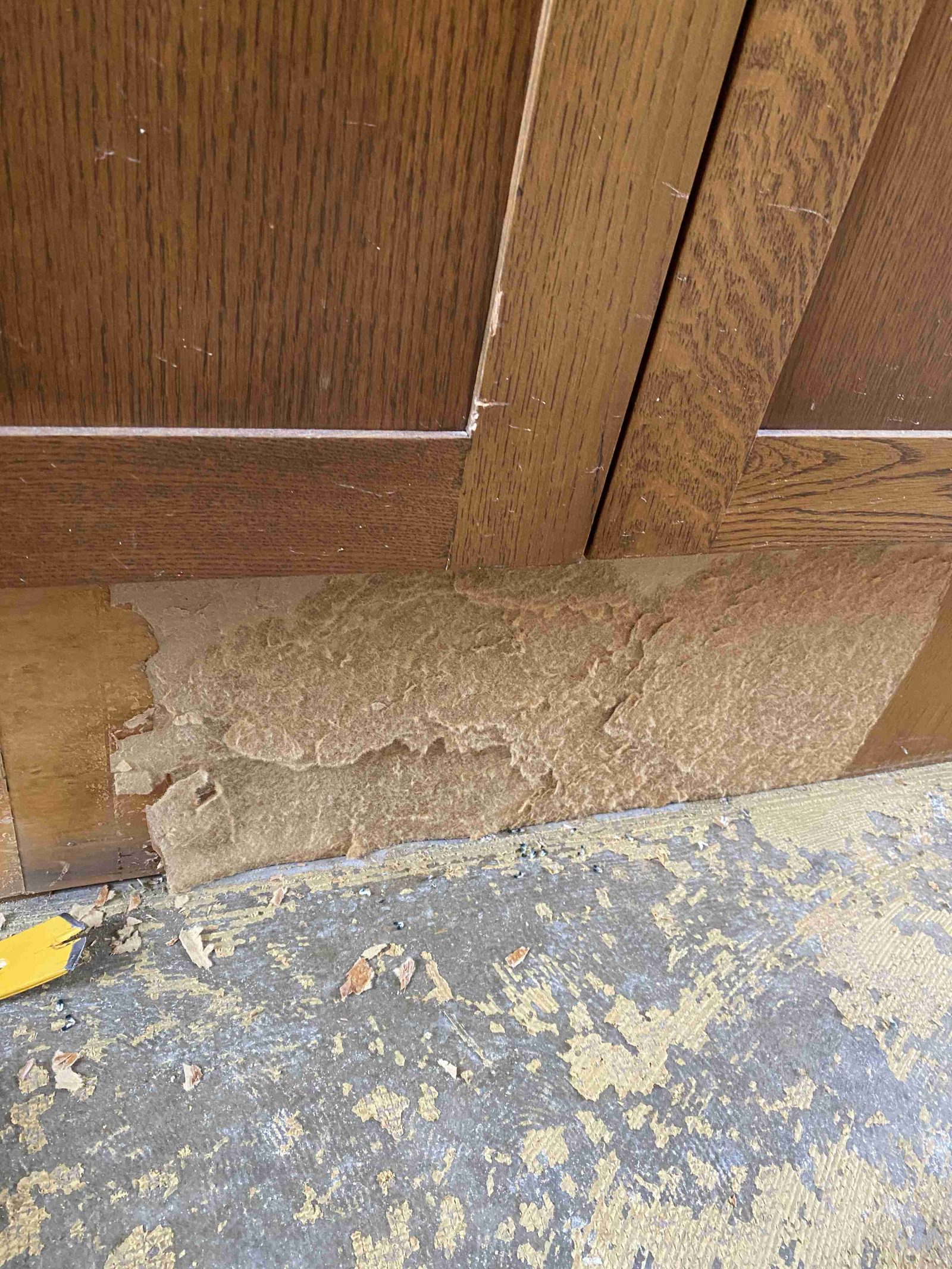
The EPA’s guide to mold and moisture advises drying water-damaged areas within 24 to 48 hours to help prevent mold growth. This article on common water damage mistakes covers why painting over a stain or closing a wall too soon causes problems.
Wondering if a patch will be enough, or if the wall is still wet? Bowerman Cleaning & Restoration answers 24/7 across Westchester County.
When Is Repair the Right Next Step?
Short answer: after moisture readings confirm the structure is dry. Repair is necessary, and it is the step that makes the room look finished. The timing is what matters.
- Readings have reached the dry target, usually compared with an unaffected area of the same home.
- The source of the water has been fixed, so the leak cannot start again behind the new work.
- Removed materials are listed, so the repair scope matches what actually came out.
- Any dirty water has been cleaned and sanitized before new finishes go in.
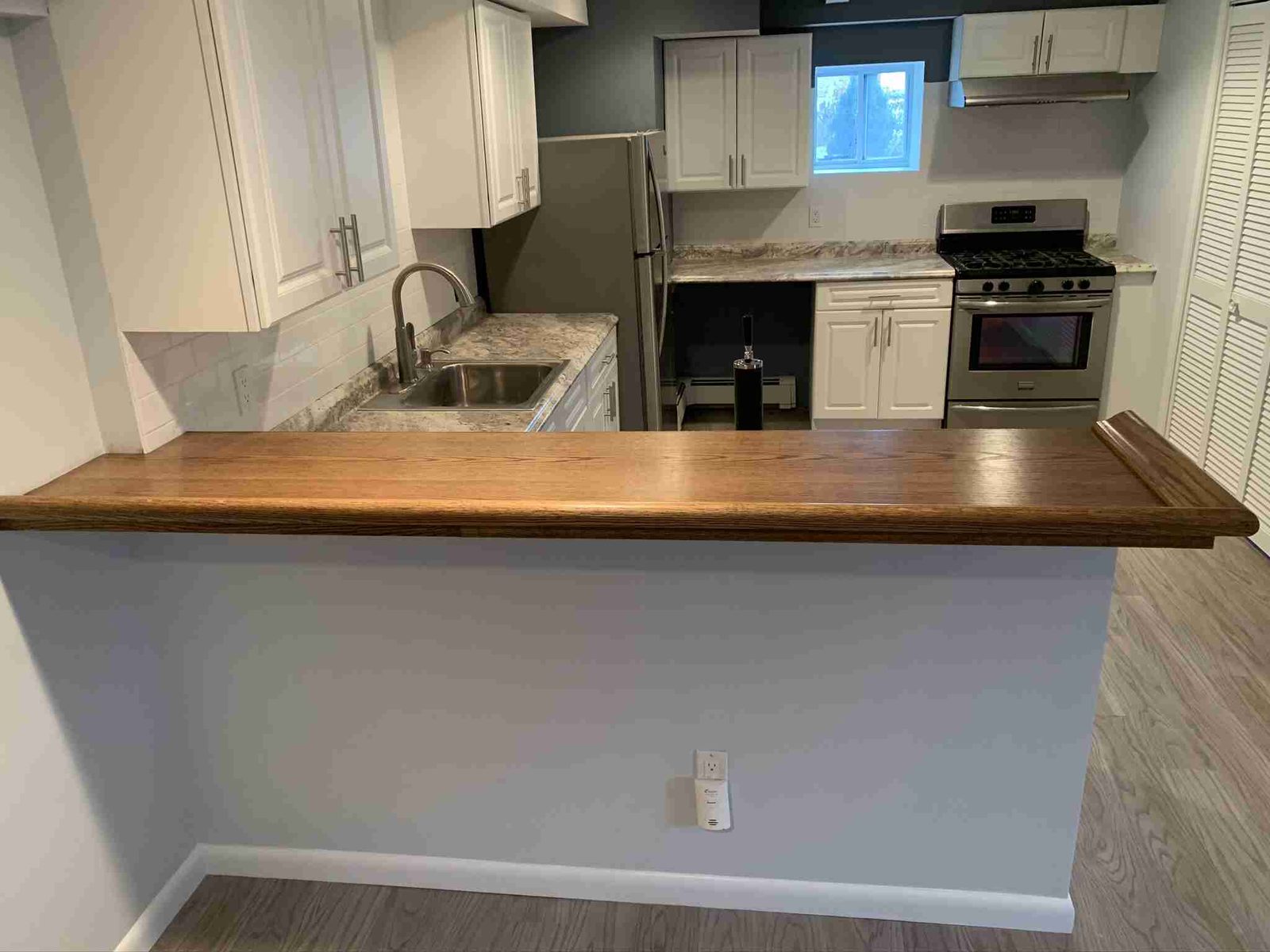
Once those conditions are met, repair can be as small as a strip of drywall and paint, or as large as new cabinets and flooring. This guide to the water damage drying process explains how dryness is proven before that work starts.
How Do Insurance Claims Treat Restoration and Repair?
Short answer: they are often priced as two parts of the same loss, and both depend on the cause of the water. Emergency drying and the later rebuild may appear as separate scopes on an estimate.
A sudden event, such as a burst pipe, is often covered by a standard NY homeowners policy. Flood is not. The New York State Department of Financial Services explains that flood damage needs a separate policy. This guide on whether homeowners insurance covers water restoration has more detail. In any case, photos and moisture logs from the drying phase help support the repair estimate later.
What Should You Ask Before Repair Work Starts?
Short answer: ask how dryness was proven, not only what it will cost to patch the wall. A written repair quote is useful, but it should rest on readings, not guesswork.
- What were the final moisture readings, and what dry target were they compared with?
- What materials were removed, and what still needs to be put back?
- Has the source of the leak been repaired?
- Will the repair be documented with photos for the insurer?
If those answers are missing, the job may be a cosmetic repair on a wall that is still wet. Asking first is faster than opening the wall a second time.
Water Damage Restoration vs Repair FAQs
Can I just replace the wet drywall and skip professional drying?
Only if the area was very small, the water was clean and readings show everything behind the wall is already dry. Replacing drywall over damp framing can trap moisture and lead to mold.
Is water damage repair cheaper than restoration?
The repair line items may look smaller, but only if drying was already done. Repair that hides leftover moisture often leads to a second, more expensive job. Compare a full scope, not just the rebuild number.
Does restoration always include repair work?
Not always. If materials dried in place and nothing had to come out, little or no rebuild may be needed. When drywall, flooring or cabinets were removed, restoration is not finished until those repairs are complete.
How do I know a repaired wall will not grow mold later?
Ask for the moisture readings taken before the wall was closed. If those numbers matched a dry target from an unaffected area, the risk is much lower. A musty smell after a recent repair is a reason to have the wall checked again.
Should a plumber and a restoration contractor both be involved?
Often, yes. A plumber or roofer fixes the source. Restoration covers extraction, drying and then repair of the building materials. Starting repairs before the leak is fixed can put water right back into the new work.
Can I stay in the home during restoration and repair?
Most families stay during drying and during small repairs, although equipment is noisy and dusty work may close off a room. A sewage loss or a large rebuild can be different.
Need help after water damage in Westchester County? Bowerman Restoration LLC d/b/a Bowerman Cleaning & Restoration, 7 Intervale Street, White Plains, NY 10606, answers 24/7 at (844) 269-3762.