
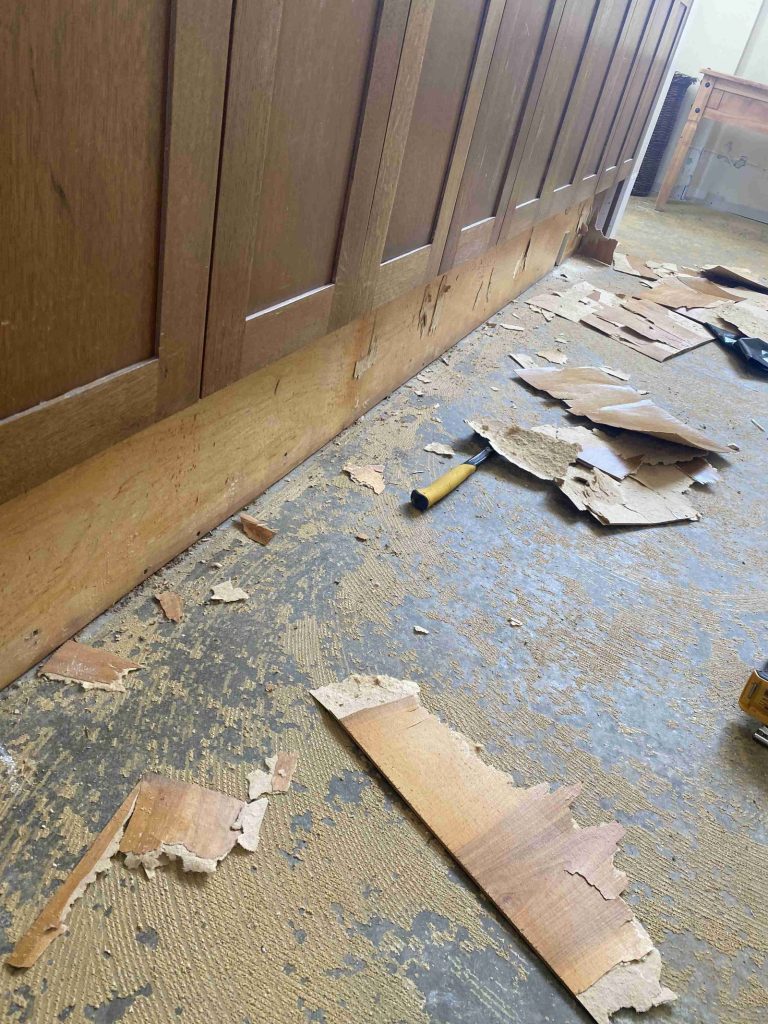
The most common water damage mistakes are waiting too long, drying with house fans alone, skipping photos for insurance, closing walls before they are dry, and handling dirty water without protection. Each one can turn a small leak into a bigger repair. In NY homes, avoiding them starts in the first hour.
Written by the Bowerman Cleaning and Restoration Team · April 22, 2026
Key Takeaways
- Waiting is the costliest mistake, because mold can start within 24 to 48 hours.
- House fans move air but do not remove humidity or find hidden water.
- Photos before cleanup protect an insurance claim.
- Never close a wall until moisture readings confirm it is dry.
In This Guide
- What Are the Most Common Water Damage Mistakes?
- Why Is Waiting the Biggest Mistake?
- Why Do DIY Drying Efforts Often Fail?
- What Mistakes Do People Make When Hiring Help?
- Which Seasonal Mistakes Cause Water Damage in NY?
- Water Damage Mistakes FAQs
What Are the Most Common Water Damage Mistakes?
Short answer: waiting, guessing and rushing. These are the mistakes that cause the most trouble, and what to do instead:
| Mistake | Why it hurts | Do this instead |
|---|---|---|
| Waiting to see if it dries | Water spreads and mold can start | Arrange an inspection the same day |
| Using only house fans | Humidity stays and hidden water is missed | Use dehumidifiers and moisture meters |
| Cleaning up before taking photos | Weakens the insurance claim | Photograph and video everything first |
| Turning on lights or appliances in wet rooms | Risk of shock | Use a flashlight and check the panel |
| Touching sewage or floodwater | Health risk | Stay out and leave it to people with protective gear |
| Closing walls too soon | Traps moisture and leads to mold | Wait for readings that match the dry target |
| Throwing out damaged items right away | Insurer may want to see them | Set them aside until the adjuster says otherwise |
These water damage tips cover the first hour in more detail.
Why Is Waiting the Biggest Mistake?
Short answer: time turns a drying job into a tear-out or mold job. Water keeps wicking into drywall, wood and insulation after the leak stops.
The EPA’s guide to mold and moisture advises drying water-damaged areas within 24 to 48 hours to help prevent mold growth. Clean water can also become contaminated as it sits. As a result, more materials have to come out, and the cost goes up. This article on what happens if you don’t fix water damage explains how this plays out.
Why Do DIY Drying Efforts Often Fail?
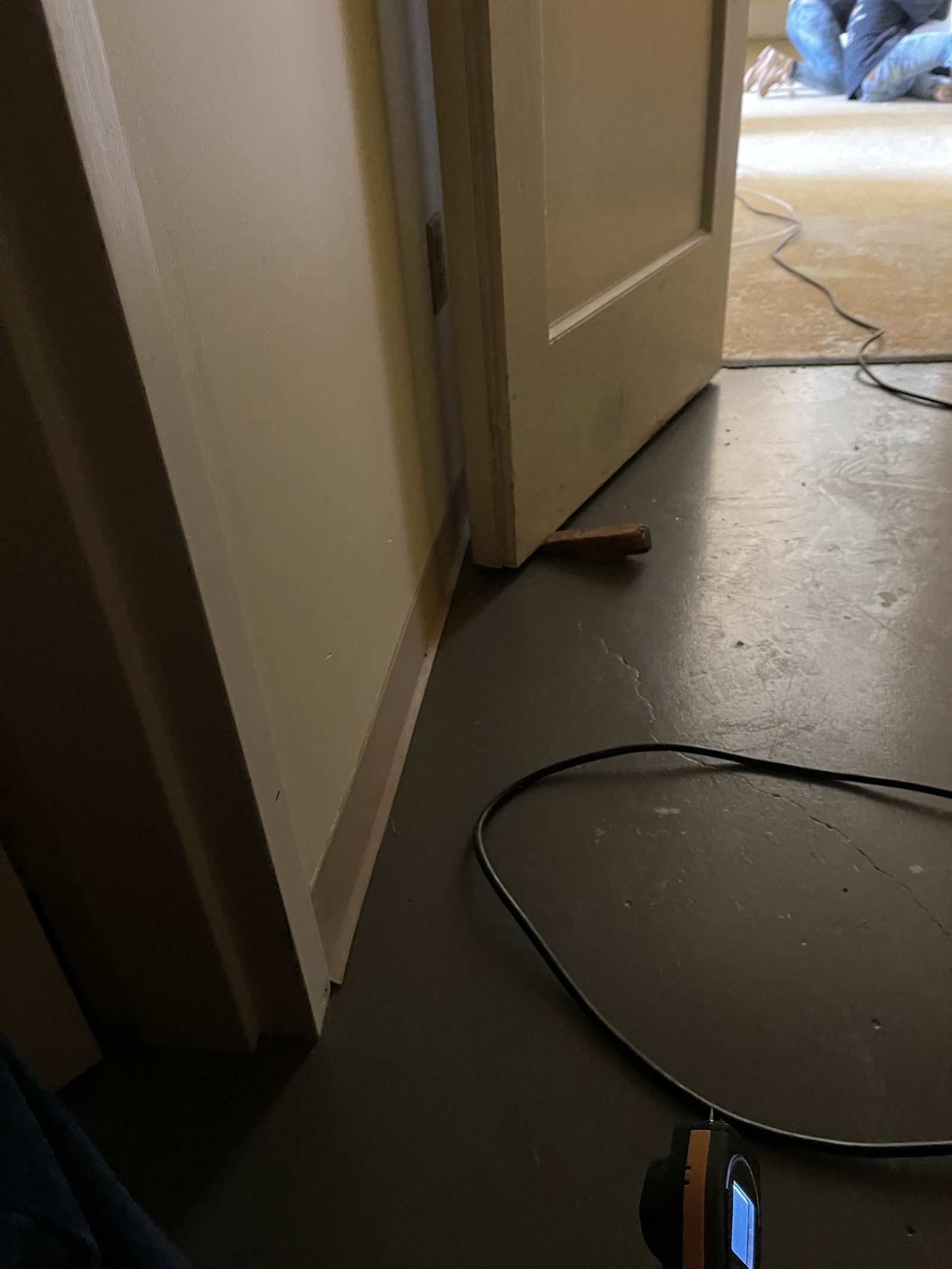
Short answer: the remaining water is invisible, and fans do not remove humidity. Surfaces often feel dry within a day. However, the pad, subfloor and wall cavity can stay wet for much longer.
- No moisture readings means no way to know when the structure is dry.
- No dehumidification means moisture evaporates and then soaks back into the room.
- No access to wall cavities, under cabinets or under hardwood.
- Pulling up materials too early can destroy evidence an insurer needs.
For how proper drying works, see this overview of what water damage restoration is. A walkthrough of what to do first after water damage can help avoid the most common early mistakes.
Already tried fans and still smell something musty? Bowerman Cleaning & Restoration can take moisture readings across Westchester County.
What Mistakes Do People Make When Hiring Help?
Short answer: choosing on speed alone and not asking how drying will be proven. A fast arrival matters, but so does how the job is run.
- Not asking for moisture readings during and at the end of drying.
- Not getting a written scope of what will be removed and why.
- Assuming the restorer fixes the leak. Usually a plumber or roofer handles the source.
- Not checking the rebuild plan. Ask who handles repairs after drying.
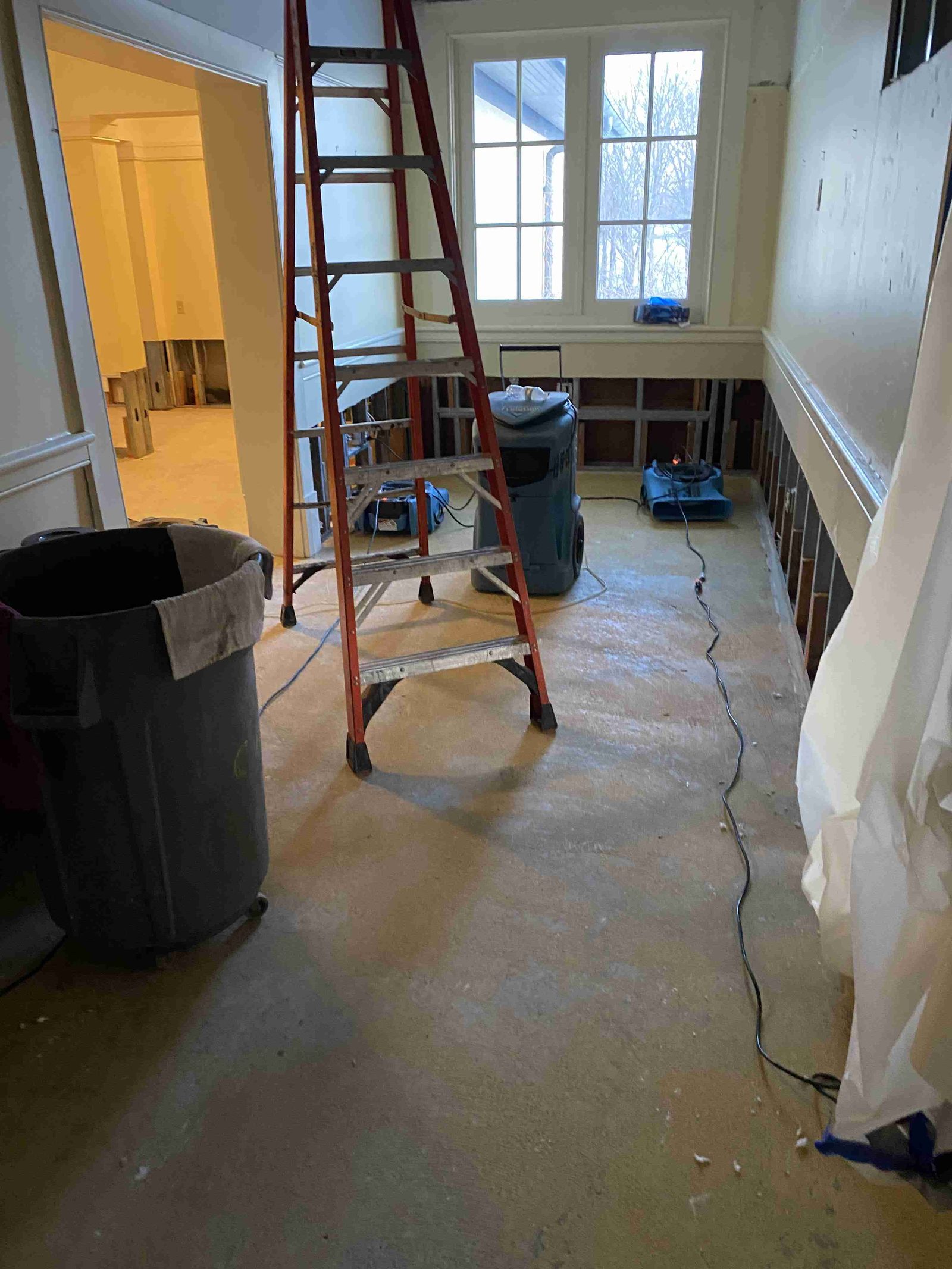
For a sense of what a full restoration scope usually includes, see this page on water damage restoration services.
Which Seasonal Mistakes Cause Water Damage in NY?
Short answer: ignoring the sump pump and turning the heat too low in winter.
Many basement floods trace back to a sump pump that was never tested before spring rain. In winter, turning the heat down too far during a trip can freeze pipes in exterior walls. In apartment buildings, waiting to tell the building about a leak can let water reach the units below.
Water Damage Mistakes FAQs
Is it a mistake to use a shop vac on water damage?
A wet-rated shop vac is fine for small amounts of clean water on hard floors, if the area is safe. Never use a household vacuum. For carpet, walls or dirty water, extraction equipment is needed.
Should I pull up wet carpet myself?
Usually not. Take photos first, and have someone check what can be saved. Pulling carpet yourself can damage it, miss wet pad underneath and remove evidence your insurer may need.
Is it a mistake to paint over a water stain?
Yes, if the source is not fixed and the area is not confirmed dry. Paint can hide a problem that is still growing. Find the source, dry the area, then use a stain-blocking primer before painting.
Can I turn off drying equipment to save power?
It is better not to. Turning machines off lets humidity build back up and adds days to the job. Ask whether a unit can be adjusted instead.
What is the biggest mistake after a basement flood?
Waiting and walking into the water. Floodwater can carry bacteria and chemicals, and wet outlets are a shock risk. Stay out, keep people and pets away, and call for help.
Is it a mistake to use bleach on water damage?
Often, yes. Bleach does not reach water inside porous materials, and it should never be mixed with other cleaners. Drying the material is what matters most.
Need help after a leak in Westchester County? Bowerman Restoration LLC d/b/a Bowerman Cleaning & Restoration, 7 Intervale Street, White Plains, NY 10606, answers 24/7 at (844) 269-3762.