
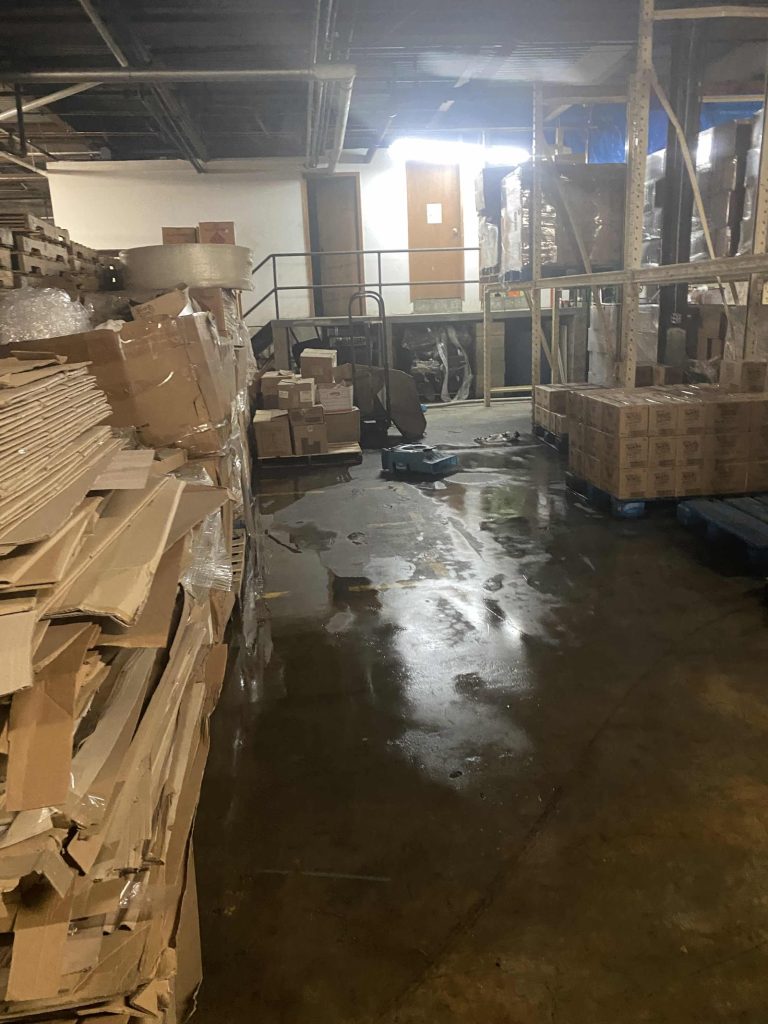
Water damage category and class describe two different things, and a job is planned from both. Category is about contamination: clean, gray or black water. Class is about evaporation load: how much water there is and how hard it is to dry. In NY homes, those two ratings together decide the plan.
Written by the Bowerman Cleaning and Restoration Team · May 1, 2026
Key Takeaways
- Category (1, 2 or 3) describes how contaminated the water is.
- Class (1 through 4) describes the evaporation load and how hard drying will be.
- The two ratings combine, so a clean-water Class 4 loss can take longer to dry than a dirty-water Class 1 loss.
- Class 4 involves dense materials such as hardwood, plaster or concrete, which hold water and need specialty drying.
In This Guide
- What Is the Difference Between Category and Class?
- What Are Water Damage Classes 1 Through 4?
- How Do Category and Class Work Together?
- Why Does the Combination Change the Plan?
- How Do Category and Class Show Up in NY Homes?
- Water Damage Category and Class FAQs
What Is the Difference Between Category and Class?
Short answer: category is about how dirty the water is, and class is about how much drying the job will take. The IICRC S500 Standard uses both ratings to plan a loss. They answer different questions, and neither one replaces the other.
This article on water damage categories explains clean, gray and black water in detail, including what can be saved. The short version: Category 1 is clean water, Category 2 is gray water, and Category 3 is black water, such as sewage or floodwater. Class, covered below, is the other half of the picture. For how source, category and class fit among other types of loss, see types of water damage.
What Are Water Damage Classes 1 Through 4?
Short answer: they describe evaporation load, from a small wet area to water bound in dense materials. Class is about how much moisture has to leave, and how willingly the materials will give it up.
| Class | Evaporation load | What it usually looks like | What drying often involves |
|---|---|---|---|
| Class 1 | Lowest | Only part of a room is wet, and little water was absorbed, such as a spill on tile or concrete | The least equipment and the shortest drying time |
| Class 2 | Significant | A whole room is affected, with carpet, pad and the lower portion of walls wet | More air movers and dehumidifiers, and often pad removal |
| Class 3 | Highest from porous materials | Water came from above, or ceilings, walls, insulation and flooring are all soaked | The most evaporation from wet finishes, and more tear-out |
| Class 4 | Bound water in dense materials | Hardwood, plaster, concrete, brick or stone has absorbed water deep inside | Specialty drying, such as injected air or heat, and more time |
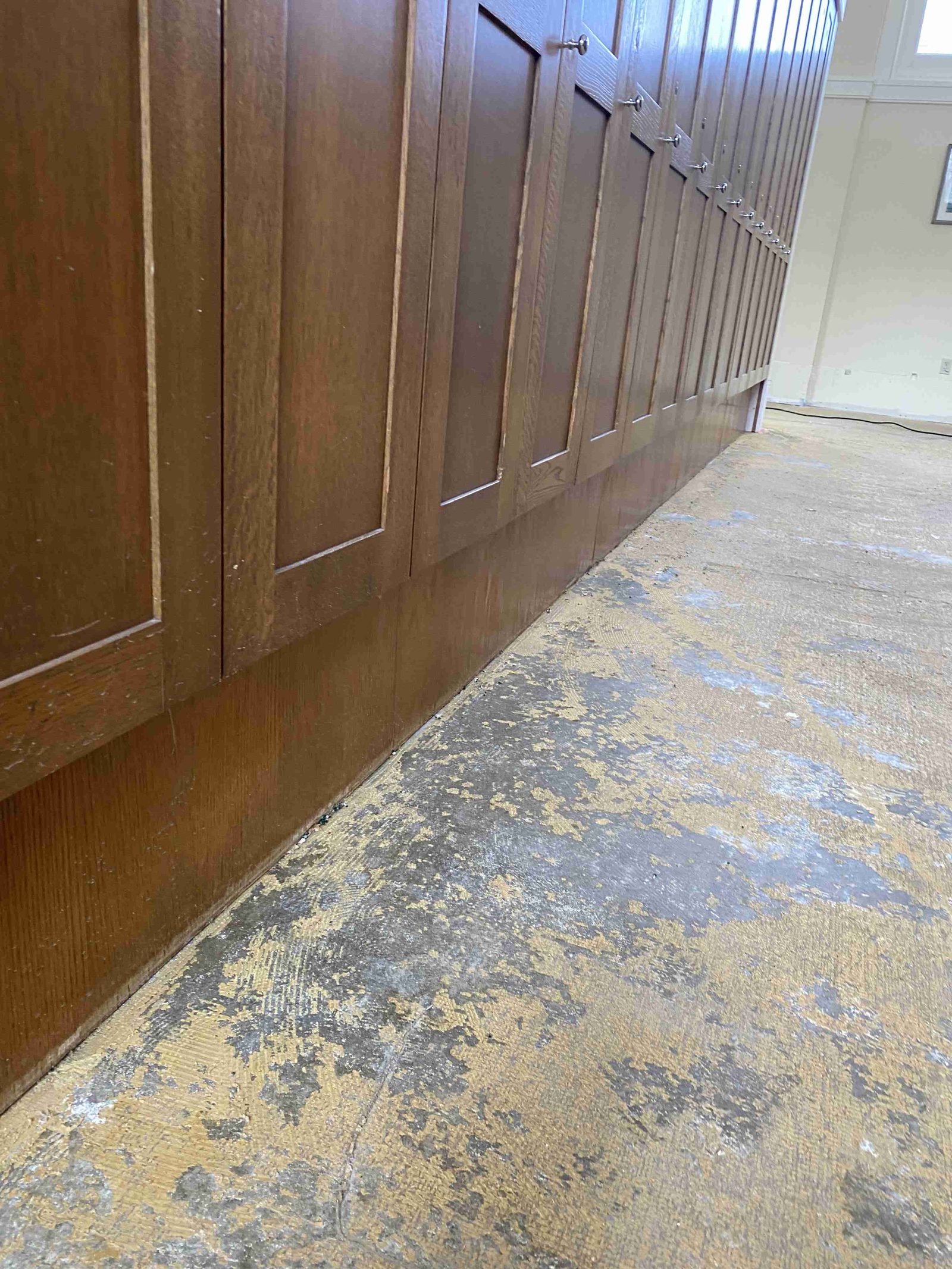
A Class 3 loss looks dramatic because so much material is wet. A Class 4 loss can look quieter and still take longer, because plaster and hardwood release water slowly.
How Do Category and Class Work Together?
Short answer: one rating sets the safety and removal rules, and the other sets the drying plan. The combination is what a technician uses to decide equipment, protective gear and what can be saved.
| Example | Category | Class | What the combination means |
|---|---|---|---|
| Burst supply line on a tile floor, caught right away | 1 | 1 | Lowest health risk and lowest evaporation load. Many materials can dry in place. |
| Burst pipe under solid hardwood or into plaster walls | 1 | 4 | The water may be clean, but dense materials will take longer and may need specialty drying. |
| Washing machine overflow across a carpeted room | 2 | 2 | Some contamination, so pad often comes out, plus a significant drying load. |
| Sewage in a small bathroom with little absorption | 3 | 1 | High health risk and more removal, even though the wet area is small. |
| Storm flood through a finished basement | 3 | 3 or 4 | Black water plus a heavy drying load. Porous materials usually go, and concrete or plaster may need extra time. |
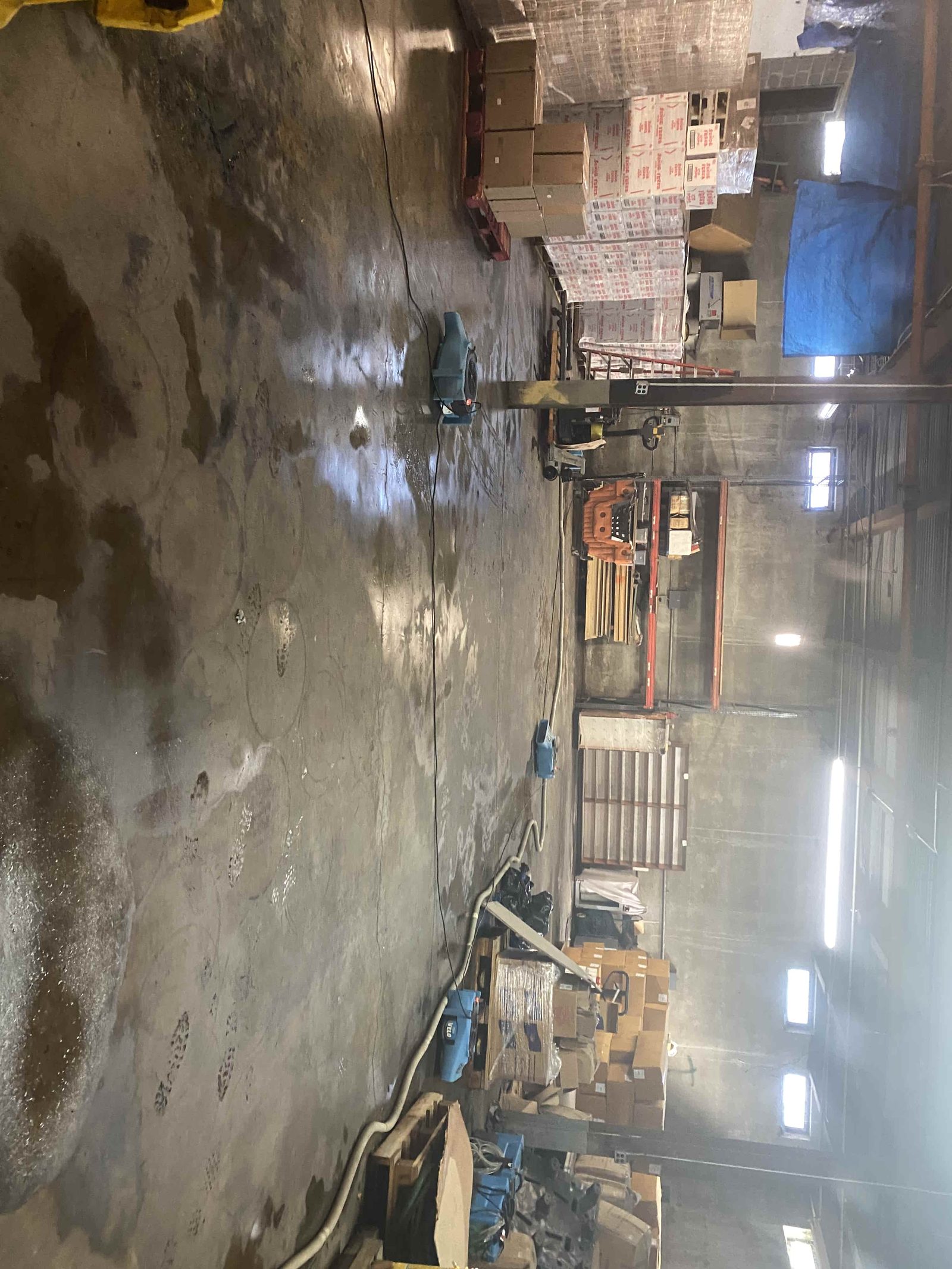
That is why two leaks of the same size can lead to different jobs. Category decides what is safe to keep. Class decides how the remaining structure will be dried. For sewage-related losses, this overview of sewage damage cleanup covers the extra steps.
Not sure how to read the category and class on an estimate? Bowerman Cleaning & Restoration answers 24/7 across Westchester County.
Why Does the Combination Change the Plan?
Short answer: it changes safety, what comes out, how long drying takes and what an estimate includes. Reading only one of the two ratings gives an incomplete picture.
- Safety and removal. Category 3 water means more porous materials come out, even if the wet area is small.
- Equipment and time. Class 3 and Class 4 need more drying capacity or more time, even when the water was clean.
- What can be saved. Clean, low-class losses often allow carpet or drywall to stay. Black water usually does not.
- The estimate. A Category 1 Class 4 hardwood job can cost more to dry than a Category 2 Class 1 spill, because of time and specialty methods.
This overview of what water damage restoration is shows where these ratings sit in the full process. Professional water damage restoration services use both ratings to size equipment, set safety practices and plan tear-out.
How Do Category and Class Show Up in NY Homes?
Short answer: older materials often raise the class, and storms can raise the category.
Prewar housing in the New York area often has plaster walls and solid hardwood floors. When those get wet, the loss is frequently Class 4, even if the water was clean. Coastal and river flooding is Category 3, and it can also be Class 3 or 4 when a whole level is soaked, including concrete or masonry. Winter pipe breaks start as Category 1, then the class depends on how far the water traveled and what it soaked into. Category can also rise if clean water sits or spreads through a dirty crawl space.
Water Damage Category and Class FAQs
Who decides the category and the class?
A trained technician assigns both on site, based on the source of the water, how long it sat, what it touched and how much material absorbed it. Either rating can be updated if more water or contamination turns up once walls are opened.
Can a loss be Category 1 and Class 4 at the same time?
Yes. A burst supply line that soaks solid hardwood or plaster is a common example. The water may be clean, but the evaporation load is high because those materials hold water tightly.
Is Class 3 always worse than Class 4?
Not in the way people often mean. Class 3 has a very high evaporation load from wet porous materials. Class 4 is about water bound in dense materials, which can take longer to dry even when less water is visible. Each one is difficult in a different way.
Does category or class matter more for insurance?
Category often matters more for coverage questions, because flood and sewage are treated differently from a sudden clean-water leak in many NY policies. Class matters more for the drying cost and the timeline. Both should appear in a thorough estimate.
Can the class change during the job?
Yes. Lifting flooring or opening a wall can reveal more wet material, which may raise the class. Category can also change if water sits or mixes with contaminants.
Why does a small sewage leak need more tear-out than a larger clean-water spill?
Because category, not size, drives the health rules. Category 3 water soaks contamination into porous materials, so those materials usually come out even when the wet area is small. A larger Category 1 spill may be dried in place if it is caught early.
Need a water damage loss assessed in Westchester County? Bowerman Restoration LLC d/b/a Bowerman Cleaning & Restoration, 7 Intervale Street, White Plains, NY 10606, answers 24/7 at (844) 269-3762.