
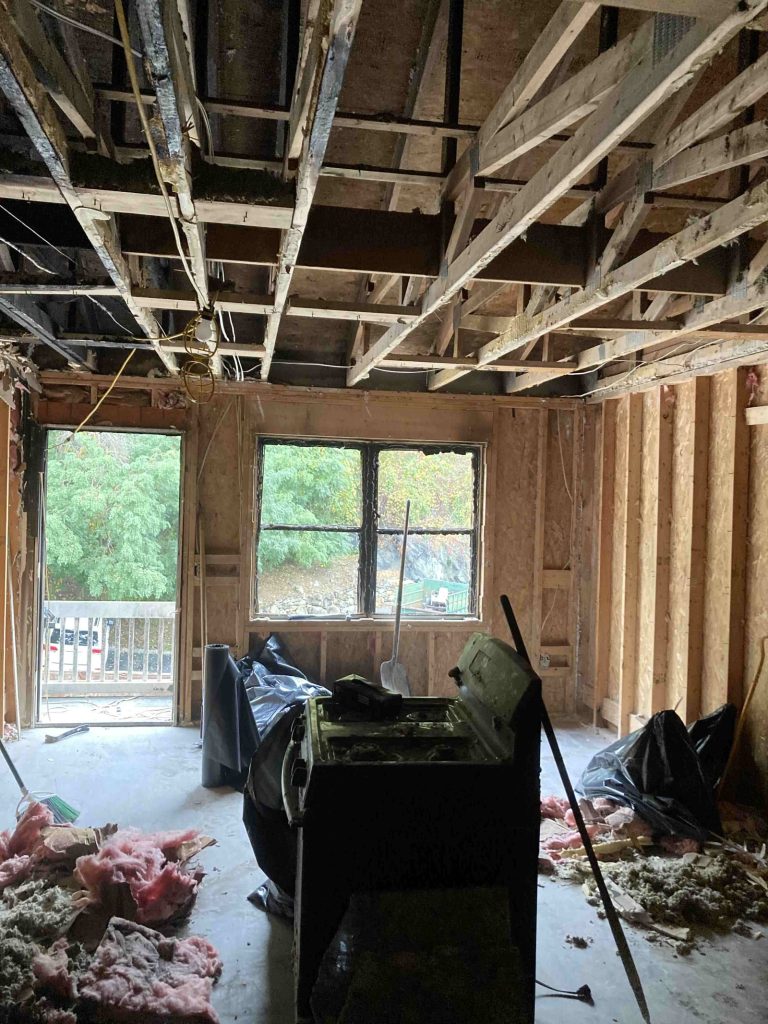
The step by step fire damage cleanup process usually starts after the fire department has said the building is safe to enter. In NY homes, the work then moves from board-up and inspection to soot and smoke cleaning, odor control, drying, and only later to rebuild. Skipping a step can trap residue or moisture behind new finishes.
Written by the Bowerman Cleaning and Restoration Team · June 10, 2026
Key Takeaways
- The process starts with safety and board-up, not with a wipe of the nearest wall.
- Inspection should map flame, smoke, soot, and water, including rooms the fire did not enter.
- Contents are often packed out so they can be cleaned or inventoried away from the work area.
- Rebuild should wait until cleaning is complete and any wet structure is dry to a documented target.
In This Guide
- What Are the Steps in a Fire Damage Cleanup Process?
- Why Does the Order of These Steps Matter?
- What Can Change This Process?
- Step by Step Fire Damage Cleanup Process FAQs
What Are the Steps in a Fire Damage Cleanup Process?
Short answer: secure the building, inspect, pack out, clean soot and smoke, control odor, dry, then rebuild. The exact scope depends on how far the smoke and water traveled.
- Safety and board-up. No one should enter until the fire department has cleared the building. Unstable areas are marked, and openings are often boarded so weather and trespassing do not add to the loss. Ready.gov’s home fires guidance stresses safety first after a fire.
- Inspection and documentation. The contractor maps flame damage, smoke and soot travel, and water from firefighting or broken pipes. Photographs and notes help later, especially if an insurer is involved.
- Pack-out and protection. Salvageable belongings are often moved out or covered so cleaning can proceed. Items that cannot be saved are inventoried before they are discarded.
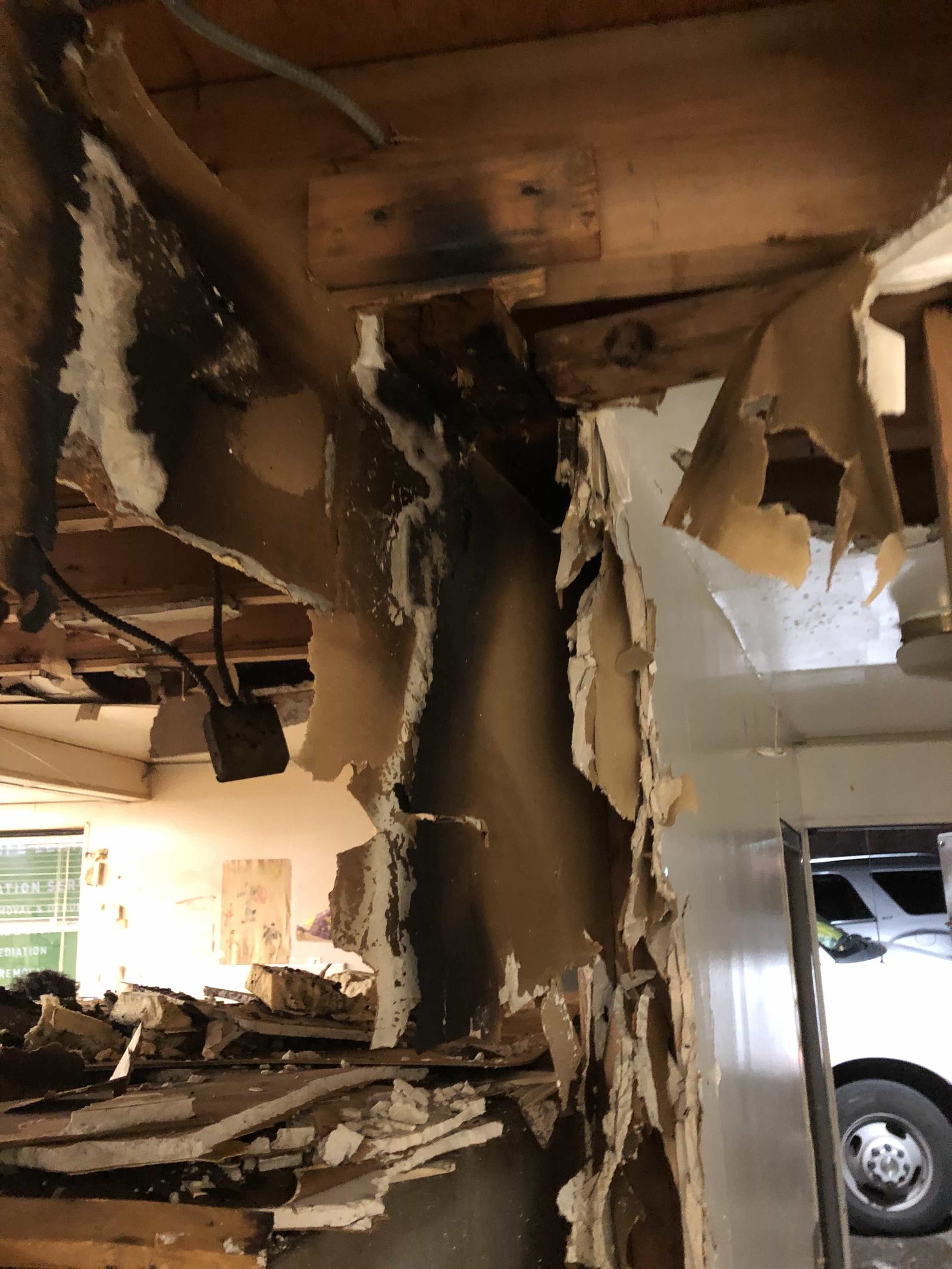
- Soot and smoke cleaning. Residues are removed with methods that match the material and the type of smoke. Wiping dry soot with a wet rag can smear it. The IICRC S700 standard describes this kind of condition-based cleaning.
- Odor control. Odor work is done after, or along with, the residue cleaning. Masking sprays alone are not a complete step if the source residue is still in the material.
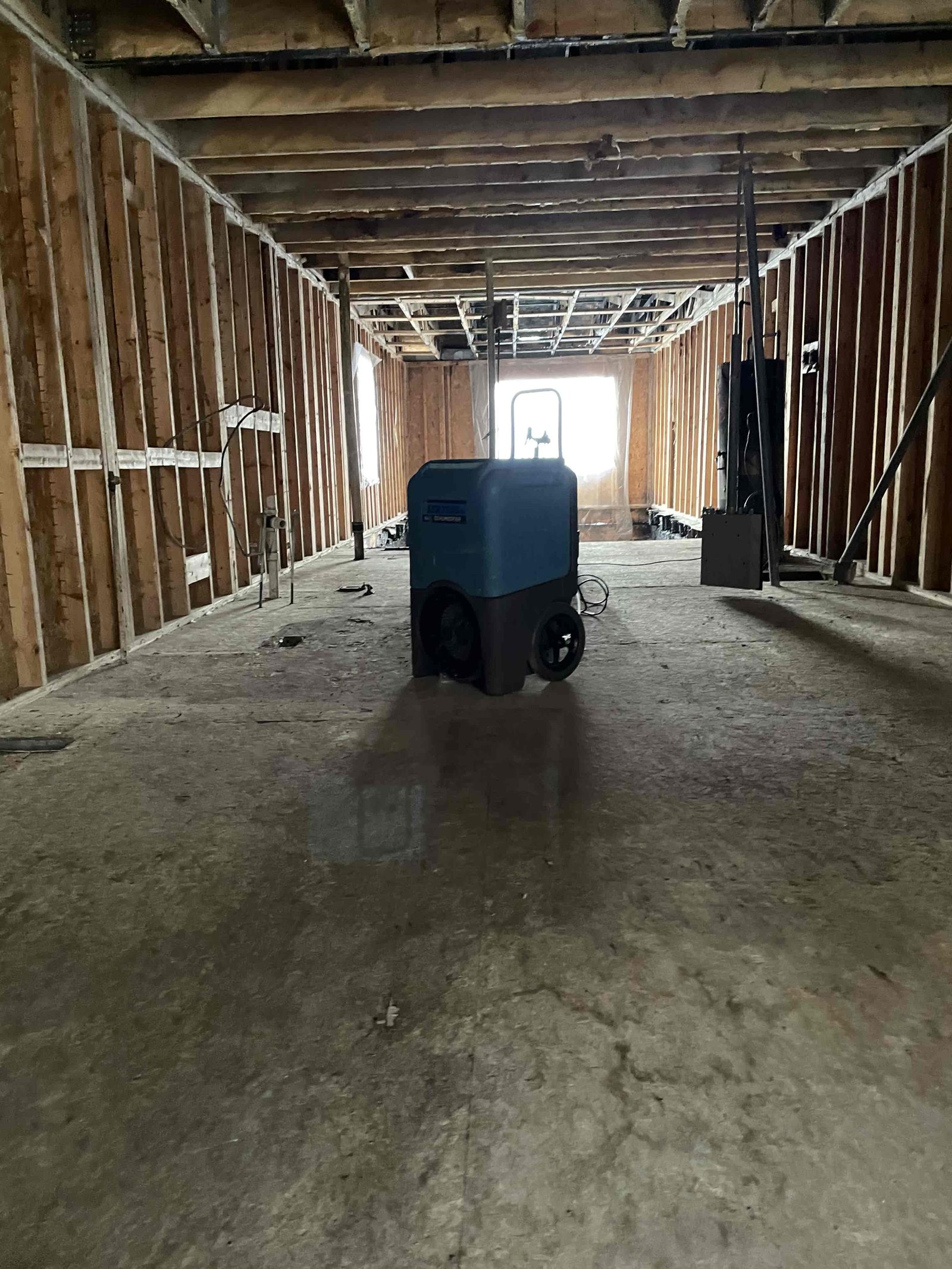
- Drying. If water is present, extraction and dehumidification run until moisture readings reach a dry target. This is the same logic used in a careful water damage drying process.
- Rebuild. New drywall, flooring, paint, and fixtures go in only after the structure is clean and dry. That phase may be handled by the same firm or by a separate contractor.
This sequence is a practical detail of what fire damage restoration is. The fire damage restoration services page describes the same work as a service category.
Why Does the Order of These Steps Matter?
Short answer: cleaning before the area is controlled, or painting before the structure is dry, can spread residue or trap a problem. A faster first day is not a shorter project if the later steps have to be repeated.
If walls are wiped before pathways are protected, soot can travel into cleaner rooms. If new drywall goes up while framing is still wet or smoky, odor and moisture can sit behind the new finish. If belongings stay in the work area, they can be re-contaminated during demo.
Questions about fire or smoke damage in Westchester County, NY? Bowerman Cleaning and Restoration answers 24/7.
What Can Change This Process?
Short answer: the type of fire, the materials involved, and whether water or a neighboring unit is part of the loss. The steps stay in the same order, but the time and the amount of tear-out can change.
- A kitchen fire can leave greasy or protein-type residues that do not clean like dry wood smoke. See what smoke damage restoration involves after a kitchen fire.
- An electrical fire may add soot in cavities and around wiring. What electrical fire soot and smoke cleanup involve covers that path.
- A chimney fire can push smoke into the attic and living spaces.
- A multi-unit building may need a plan for units that never had flames, as in how smoke damage across multiple apartment units is restored.
Step by Step Fire Damage Cleanup Process FAQs
How long does this process usually take?
Board-up and the first inspection often happen quickly. Cleaning and drying can take days or longer, and rebuild is a separate phase. A realistic calendar depends on the size of the loss and whether hidden residue or water is found.
Can a homeowner start by washing the walls?
It is better to wait for a plan. Water on some kinds of soot can smear a stain into the finish. Photograph the rooms first, and keep people out of unsafe areas.
When can rebuilding start?
After damaged materials are out, residue and odor work are complete, and any wet structure is dry to a documented target. Installing finishes earlier can trap a problem.
Is pack-out always required?
Not on every small job, but contents in the work area are often moved or protected so they are not damaged further during cleaning and demolition.
Does the same company have to do every step?
Not necessarily. Some firms handle cleanup and rebuild. Others hand the rebuild to a separate contractor. The written scope should say who does which phase.
Have questions about the fire damage cleanup process in a Westchester NY home? Bowerman Restoration LLC d/b/a Bowerman Cleaning & Restoration, 7 Intervale Street, White Plains, NY 10606, answers 24/7 at (844) 269-3762.