
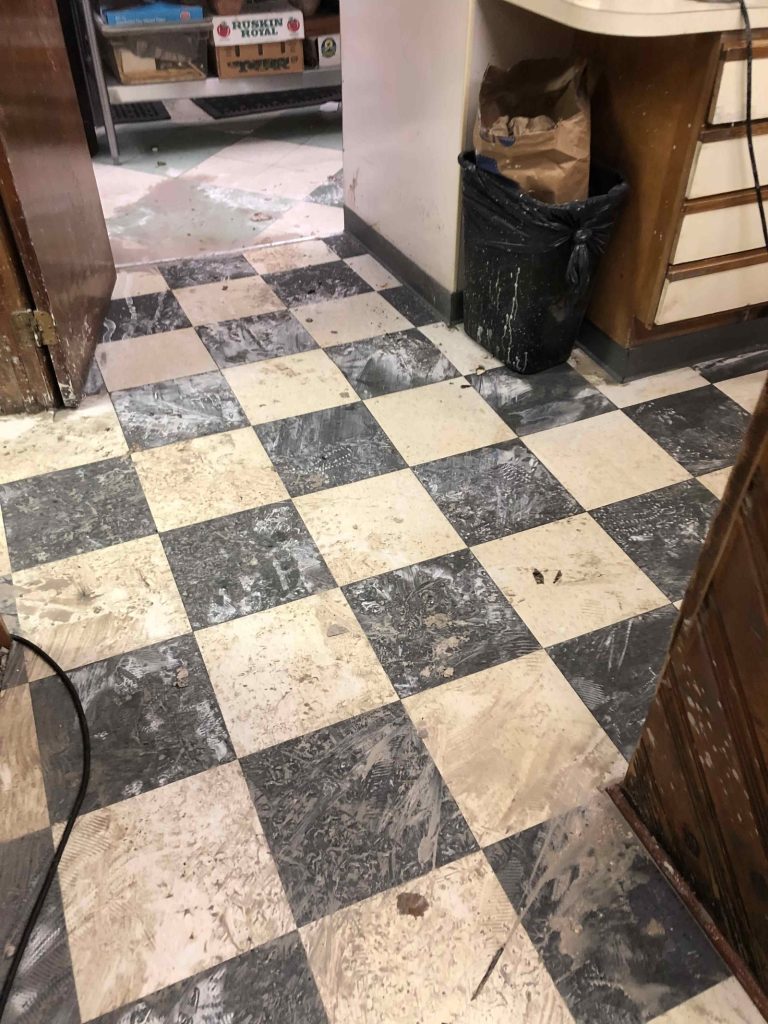
Smoke damage cleanup is the work of finding where smoke traveled, removing the residue it left, and addressing the odor in materials that can be saved. In NY homes, smoke often reaches closets, vents, and rooms that never saw flames. A cleanup that only washes the burned room can leave that wider problem in place.
Written by the Bowerman Cleaning and Restoration Team · June 11, 2026
Key Takeaways
- Smoke damage is often larger than the burn area, because smoke moves through air paths and openings.
- Cleanup should match the type of residue and the material. One method does not fit every surface.
- Odor work is part of smoke cleanup, but it is not a substitute for removing the residue that causes the odor.
- HVAC systems and hidden cavities are common travel paths and should be included in the inspection.
In This Guide
- How Does Smoke Travel Through a Home?
- How Is Smoke Damage Cleanup Usually Done?
- Does Cleaning the Residue Also Remove the Odor?
- Smoke Damage Cleanup FAQs
How Does Smoke Travel Through a Home?
Short answer: it moves with air, through vents, stairwells, gaps around trim, and any opening that was not sealed during the fire. That is why a far bedroom can smell like smoke after a kitchen or chimney fire.
Hot smoke rises and then spreads as it cools. It can stain a ceiling, enter an attic, or ride through a duct and come out in another room. In a Westchester County, NY house with older gaps around windows or in a multi-unit building, those paths are common. How smoke damage across multiple apartment units is restored looks at the shared-building version of this problem.
A chimney fire can push smoke down or into living space, and a kitchen fire can coat nearby rooms. See what chimney fire damage restoration involves and what smoke damage restoration involves after a kitchen fire.
How Is Smoke Damage Cleanup Usually Done?
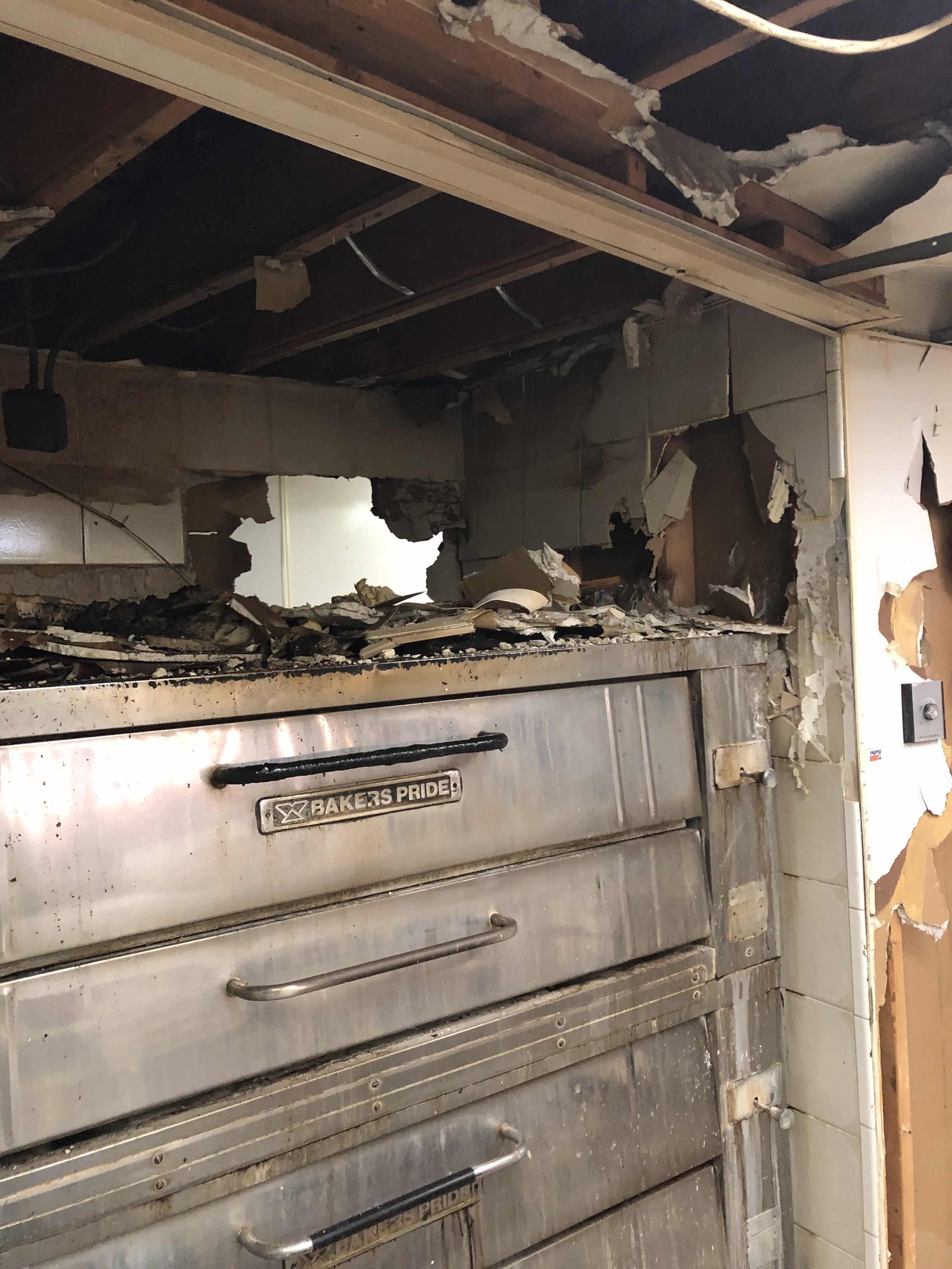
Short answer: the residue is identified, surfaces and cavities are cleaned with methods that fit the material, and odor work follows the cleaning. The goal is to remove the film, not to paint over it.
| Part of the job | What it usually involves |
|---|---|
| Inspection | Finding where the smoke went, including closets, HVAC, and attics |
| Protection | Covering or moving belongings so cleaning does not spread residue |
| Surface cleaning | Removing the film from walls, ceilings, hard goods, and fixtures |
| Cavity or HVAC work | Opening or cleaning paths that carried the smoke |
| Odor control | Treating remaining odor in materials after the residue is reduced |
The IICRC S700 standard treats smoke cleaning as a condition-based job. Dry, powdery residue and sticky residue are not cleaned the same way. This is also why what fire damage restoration is is broader than a single wash of the nearest wall. The fire damage restoration services page places smoke cleanup inside that larger scope.
Questions about fire or smoke damage in Westchester County, NY? Bowerman Cleaning and Restoration answers 24/7.
Does Cleaning the Residue Also Remove the Odor?
Short answer: often in part, but odor can remain in porous materials, insulation, or a duct even after the visible film is gone. A perfume spray is not a substitute for finding the source of the smell.
Once the residue is reduced, remaining odor may still need targeted work on fabrics, wood, or HVAC components. If the smell returns after a short improvement, a hidden path was probably missed. A later comparison in this series looks at smoke cleanup versus odor removal in more detail.
That comparison is smoke damage cleanup vs smoke odor removal. The useful order is the same in both articles: find the path, clean the residue, and then treat remaining odor if it is still present. A fragrance used first can hide a problem that is still in a duct, a closet, or a wall cavity, and the smell often returns once the scent fades.
In Westchester County, NY homes, a returning odor is also a reason to look at the air system and at any firefighting water that was not fully dried. Moisture in a cavity can keep a smell alive even after surfaces have been wiped. Cleanup and drying belong on the same plan when both are present.
Smoke Damage Cleanup FAQs
Can smoke damage be cleaned without replacing drywall?
Sometimes, if the residue is only on the surface and the board is otherwise sound. If smoke has soaked into the paper face, insulation, or a cavity, replacement of those materials is often part of the job.
Why does a room still smell after it looks clean?
Odor can remain in porous materials, in a vent, or behind a baseboard. The visible film and the odor source are not always in the same place.
Should windows be opened to air the house out?
Fresh air can help after the fire department has said the building is safe, but fans aimed the wrong way can also spread soot. A planned airflow is safer than an improvised one.
Is every yellowish stain from smoke?
Not always. Water stains, age, and cooking residue can look similar. The inspection should consider the fire’s path, not only the color of a mark.
Does a small kitchen fire always need professional smoke cleanup?
A very limited film on a hard surface may be a careful, small cleanup. If odor has spread, if residue is on porous materials, or if a vent is involved, a defined smoke cleanup is usually the better path.
Have questions about smoke damage cleanup in a Westchester NY home? Bowerman Restoration LLC d/b/a Bowerman Cleaning & Restoration, 7 Intervale Street, White Plains, NY 10606, answers 24/7 at (844) 269-3762.