
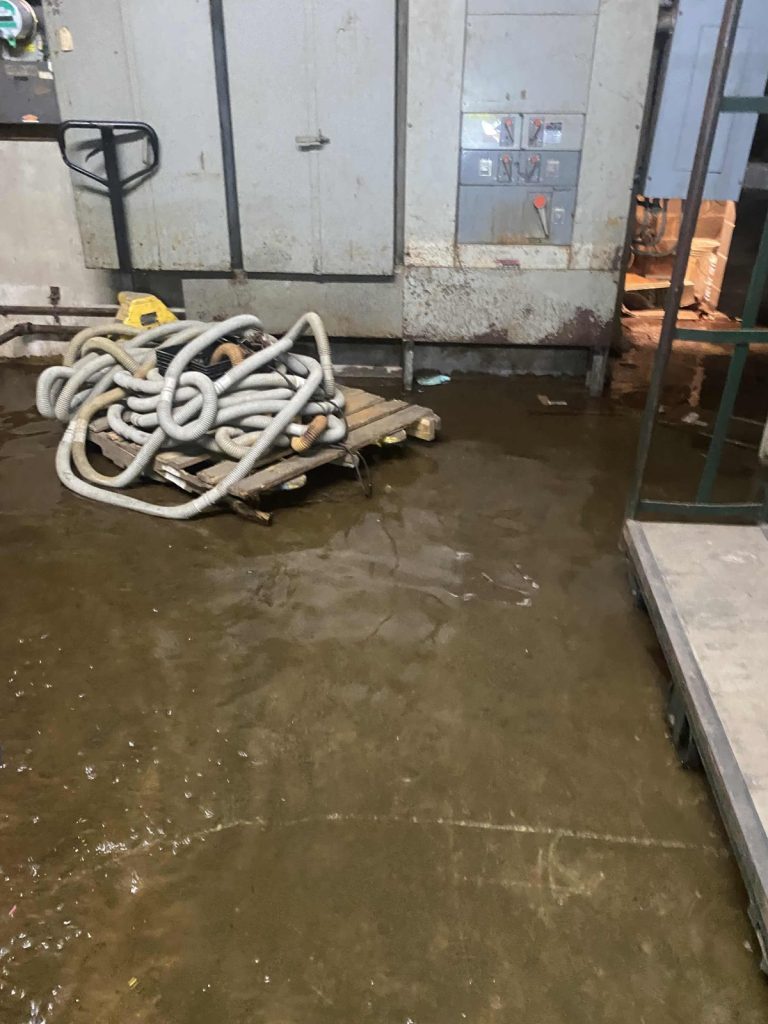
Sewage exposure risks come from any contact with wastewater or what it touched: splashes, fine droplets in the air, cuts, and hand-to-mouth contact from toys, food, or laundry. In NY homes the risk is highest for young children, older adults, pregnant people, anyone immunocompromised, and pets, and it can continue after the water is gone.
Written by the Bowerman Cleaning and Restoration Team · August 27, 2026
Key Takeaways
- Contact counts in many forms: splashes, aerosols, open cuts, and touching soiled objects all expose people.
- Children, older adults, pregnant people, immunocompromised people, and pets face the most risk.
- Exposure can continue after the water drains through soiled contents, laundry, HVAC returns, and food.
- Washing, covering cuts, and keeping sensitive people away are the simplest protections.
In This Guide
- What Counts as Sewage Exposure?
- Who Faces the Highest Sewage Exposure Risks?
- Where Can Exposure Continue After the Water Is Gone?
- How Can Exposure Be Limited at Home?
- Sewage Exposure Risks FAQs
What Counts as Sewage Exposure?
Short answer: any route that brings wastewater or its residue onto skin, into the eyes or mouth, or into an open wound.
| Route | Everyday example | Why it matters |
|---|---|---|
| Splashes | Flushing a backed-up toilet, stepping through standing water | Puts wastewater on skin, eyes, and mouth |
| Aerosols | Spraying, mopping, or running fans over wet residue | Fine droplets can be breathed in or land on surfaces |
| Cuts and scrapes | Moving soaked boxes or debris barehanded | Germs can enter the body through broken skin |
| Hand-to-mouth | Eating or touching the face after handling items | A direct route for stomach illness |
| Soiled objects | Toys, shoes, food packaging, laundry | Carry residue into clean rooms |
The CDC notes that floodwater that may contain sewage can cause diarrheal illness when anything it touched is eaten or drunk, and recommends washing exposed skin with soap and clean water as soon as possible. This table is general information, not medical advice. A full overview of the work is in what is sewage damage cleanup.
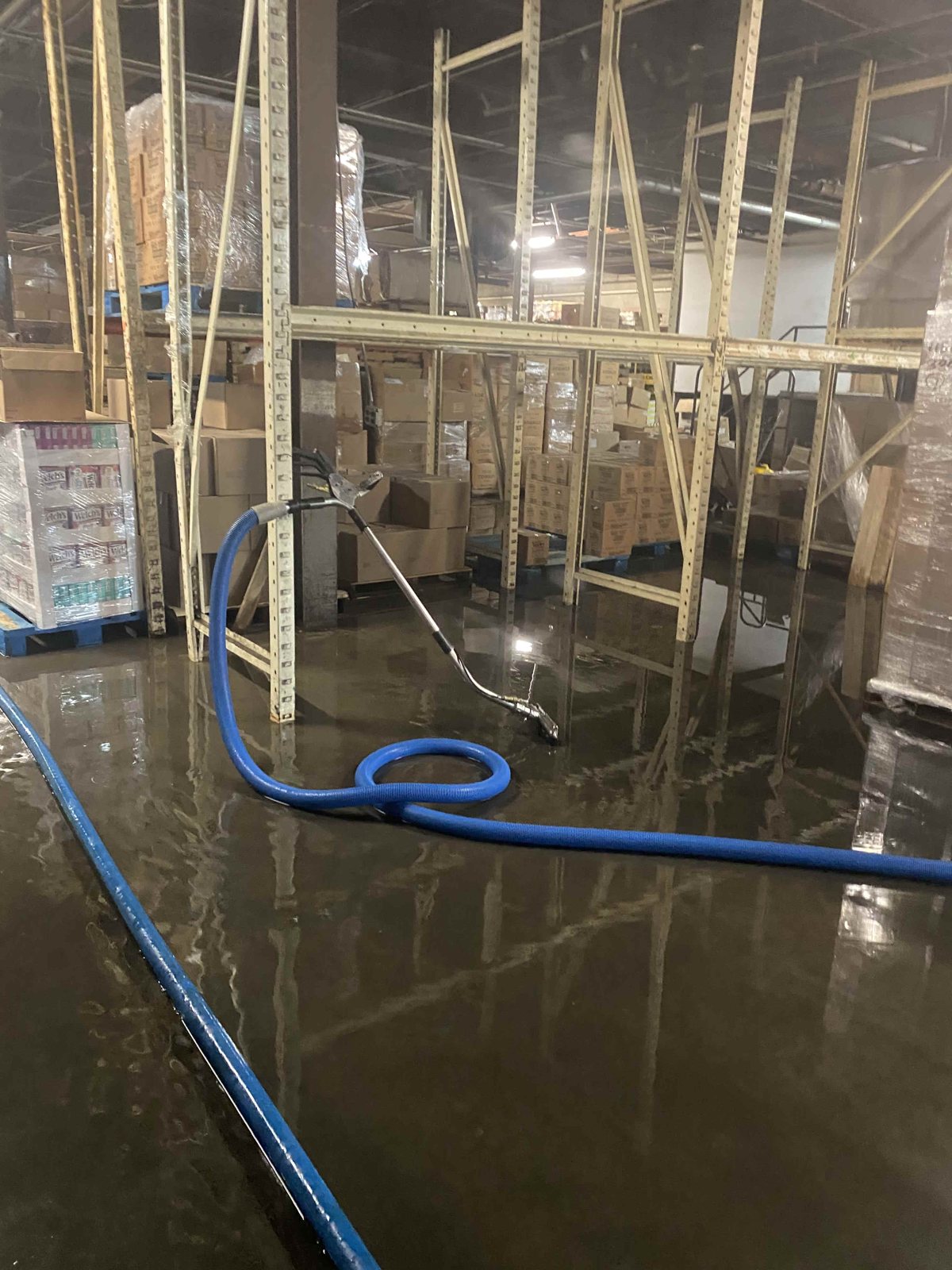
Who Faces the Highest Sewage Exposure Risks?
Short answer: people whose bodies fight infection less well, and anyone who touches the water often without protection.
- Young children crawl, play on floors, and put hands and toys in their mouths.
- Older adults and people with chronic illness can get sicker from the same exposure.
- Pregnant people are usually advised to stay out of affected areas.
- Immunocompromised people, including those in treatment, face higher infection risk.
- Pets walk through the water, lick their paws, and carry residue onto furniture.
Household members who start cleaning before help arrives are often the most exposed. The live comparison biohazard cleanup vs sewage cleanup explains why wastewater is handled with pathogen-aware methods and protective gear.
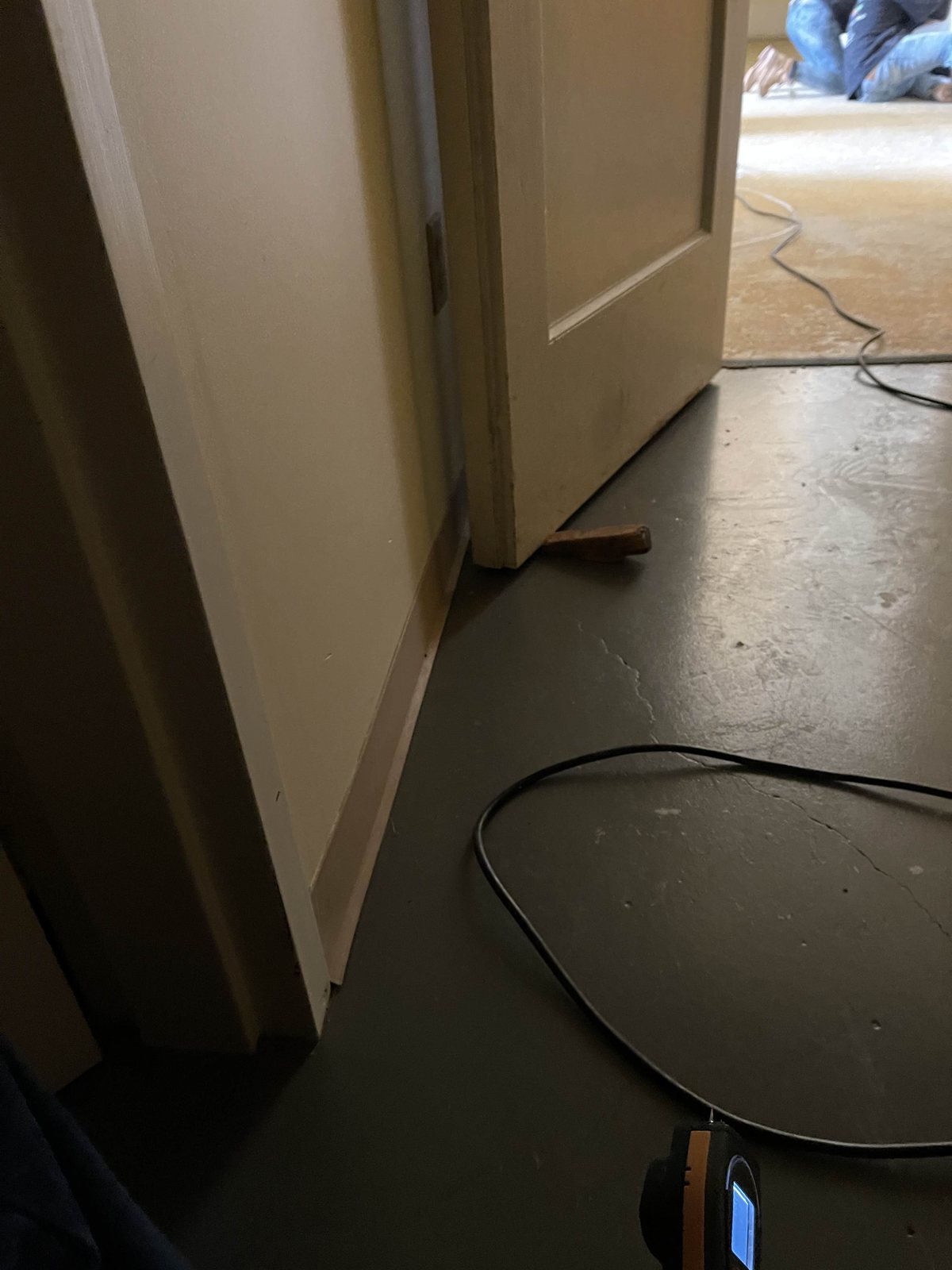
Sewage backup at a Westchester County, NY property? Bowerman Cleaning and Restoration answers 24/7.
Where Can Exposure Continue After the Water Is Gone?
Short answer: in soiled contents, laundry, HVAC equipment, wall cavities, and any food or medicine that was nearby.
Draining the floor does not end the risk. Soaked carpet pad, upholstery, and cardboard hold residue. Clothes and towels used to block the water carry it to the laundry room. If an HVAC return or duct sat in the affected area, air can move odor and particles through the house. Wet drywall and framing left in place can stay damp and support microbial growth for weeks.
The guides to hidden water damage signs and mold growth after water damage explain how leftover moisture shows up later. Deciding what to keep is a separate step; the clean-water list in salvageable items after water damage is a starting point, but sewage-contact items are held to a stricter standard.
How Can Exposure Be Limited at Home?
Short answer: keep sensitive people and pets away, protect skin and eyes, wash often, and treat anything the water touched as contaminated until it is cleaned or removed.
- Close off the area. Shut doors and keep children, pets, and vulnerable household members out.
- Cover cuts and wear gear. The CDC cleanup safety guidance calls for rubber boots, rubber gloves, and goggles when sewage is involved.
- Wash hands and skin. Use soap and clean water after any contact, and always before eating.
- Launder separately. Wash clothes and towels that touched the water in hot water and detergent, apart from other laundry.
- Discard exposed food and toys. Throw out food, medicine, and soft toys that the water reached.
- Shut down affected HVAC. Turn off air handlers in the affected area until they are checked and cleaned.
Anyone who feels ill after contact, or has a red, swollen wound, should contact a doctor. The sewage damage cleanup and restoration page outlines how contaminated materials are removed and the area is cleaned, disinfected, and dried. The sewage cleanup health risks guide covers this in more detail.
Sewage Exposure Risks FAQs
Can sewage exposure happen without touching the water?
Yes. Droplets from spraying or mopping can settle on surfaces or be breathed in, and soiled objects carry residue to other rooms.
How long after exposure can symptoms appear?
Stomach illness often appears within hours to a few days. Anyone with fever, vomiting, diarrhea, or an infected cut should contact a doctor.
Is it safe for pets to go back into the area?
Not until the area is cleaned, disinfected, and dry. Wash paws and fur if a pet had contact.
Should clothes that touched sewage be thrown out?
Washable clothing can usually be laundered in hot water with detergent. Items that cannot be washed hot are often discarded.
Does opening windows reduce exposure?
It helps with odor and air quality, but it does not remove residue. Cleaning and drying are still needed.
Concerned about sewage exposure risks in a Westchester NY home? Bowerman Restoration LLC d/b/a Bowerman Cleaning & Restoration, 7 Intervale Street, White Plains, NY 10606, answers 24/7 at (844) 269-3762.