
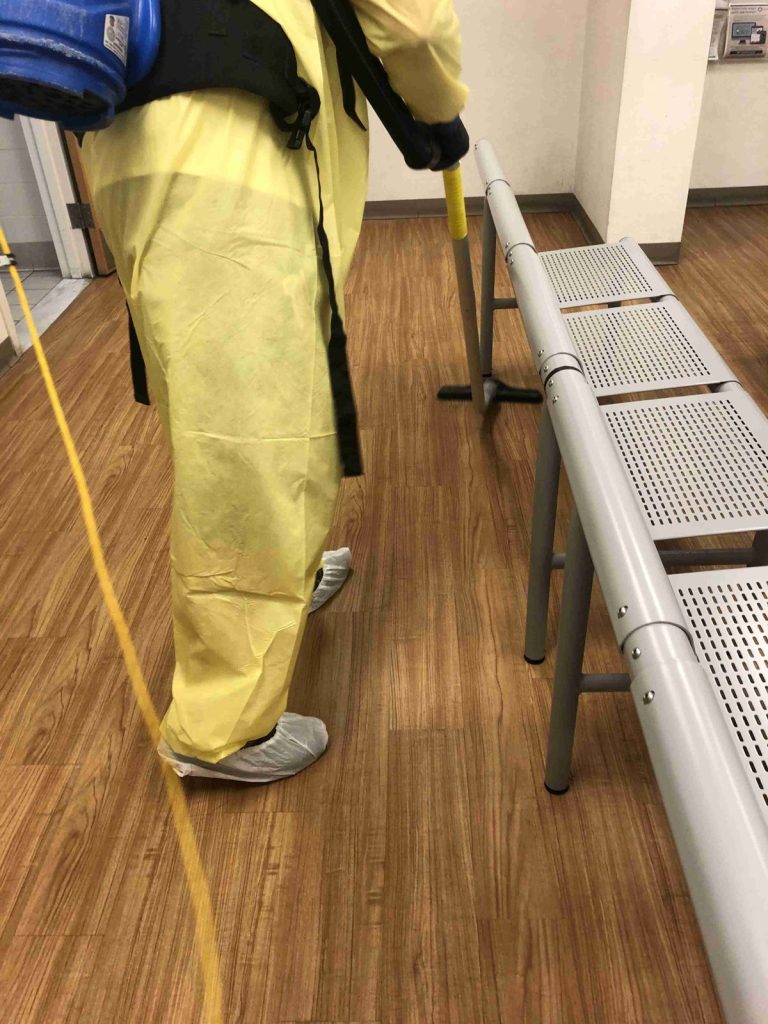
Biohazard cleanup vs sewage cleanup involves related risks and different sources. In NY properties, both can carry pathogens, and both are more than a mop-and-bucket job. Sewage cleanup addresses wastewater that has left a drain, a toilet, a broken line, or a backup and entered a building. Biohazard cleanup, in the sense used in this cluster, addresses blood, bodily fluids, and similar materials from a person or an event. The protocols share protective equipment and careful waste handling, but the water category, the typical materials, and some of the disposal rules are not the same.
Written by the Bowerman Cleaning and Restoration Team · November 16, 2026
Key Takeaways
- Sewage cleanup starts with wastewater in the building; biohazard cleanup in this sense starts with blood, bodily fluids, or a similar scene.
- Both involve pathogens and both require more than ordinary household cleaning.
- Sewage jobs often follow Category 3 water rules for extraction, material removal, and drying.
- A single property can need both protocols if a backup and a separate biohazard event overlap, but they should still be scoped clearly.
In This Guide
- How Do the Sources and Protocols Differ?
- When Is Each the Right Call?
- What Do the Two Approaches Share?
- What If One Property Has Both Problems?
- Biohazard Cleanup vs Sewage Cleanup FAQs
How Do the Sources and Protocols Differ?
Short answer: sewage is contaminated water from the waste system; biohazard work of this type is about blood and bodily fluids at a scene. The two can look messy in similar ways and still need different plans.
| Question | Biohazard cleanup | Sewage cleanup |
|---|---|---|
| Typical source | Blood, bodily fluids, or a related event | A backup, overflow, broken waste line, or similar release of wastewater |
| What is in the mess | Fluids and affected materials at a scene | Wastewater, often with solids, across floors and into building cavities |
| Common method themes | Assessment, containment, cleaning or removal, disinfection, documented waste | Extraction, removal of soaked porous materials, cleaning, disinfection, and structural drying |
| Waste and water | Regulated waste packaging for contaminated materials | Sewage-affected water and materials handled as contaminated, plus drying of the structure |
| When it is finished | Agreed areas cleaned or removed, waste documented | Water is gone, affected materials addressed, and the structure is drying or dry |
Sewage in a home is often discussed as Category 3, or “black,” water in restoration practice: it is grossly contaminated and porous materials that have been soaked are frequently removed rather than saved. That is a water-restoration protocol. Biohazard work at a trauma or blood scene may involve little standing water and still require careful removal of pad, drywall, or contents. The OSHA bloodborne pathogens page is especially relevant where blood is present; sewage work has its own hygiene and safety practices.
When Is Each the Right Call?
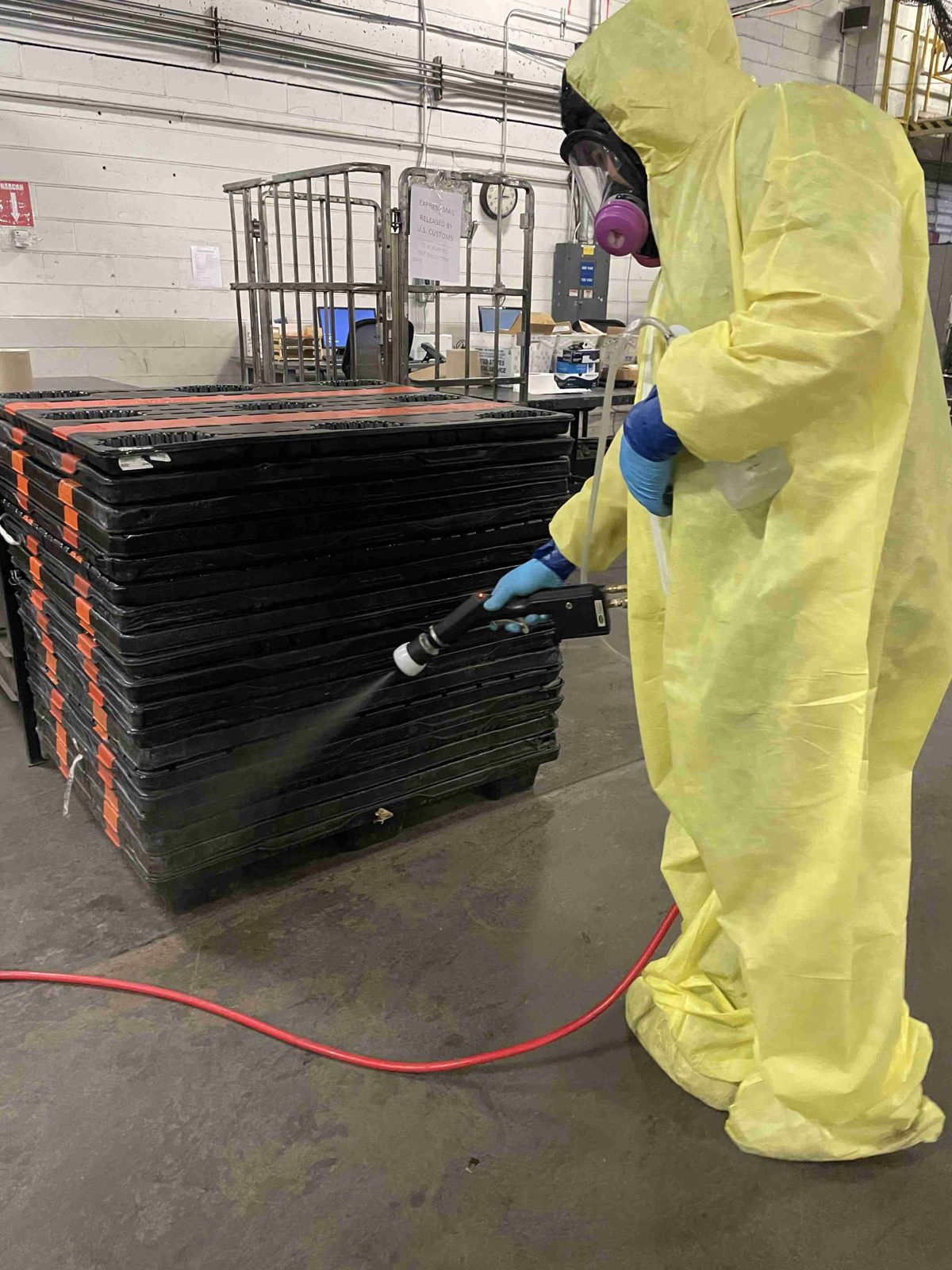
Short answer: call sewage cleanup for a backup or waste-line release; call biohazard cleanup for blood or a bodily-fluid scene. If both are present, say so clearly so the scope is not missing a piece.
A toilet overflow that is only clear tank water is a different, milder water problem. A backup that includes waste is sewage cleanup. A death, a serious injury, or a blood incident in a room is biohazard work, even if the floor is not flooded. Sewage damage cleanup and restoration and the sewage tips page cover the wastewater side. Biohazard remediation is the service page for biohazard work.
A kitchen drain that overflowed, a toilet backup, or a broken sewer line is a sewage event even if no one was injured. A trauma scene, a crime scene after release, or a large blood loss is a biohazard event even if the floor also happens to be wet. Using the wrong name in a work order can send the wrong crew, the wrong chemicals, and the wrong waste container. When the facts are mixed or unclear, the safer approach is to describe what is actually present and let the assessment sort the protocol, rather than forcing the job into the first label that comes to mind.
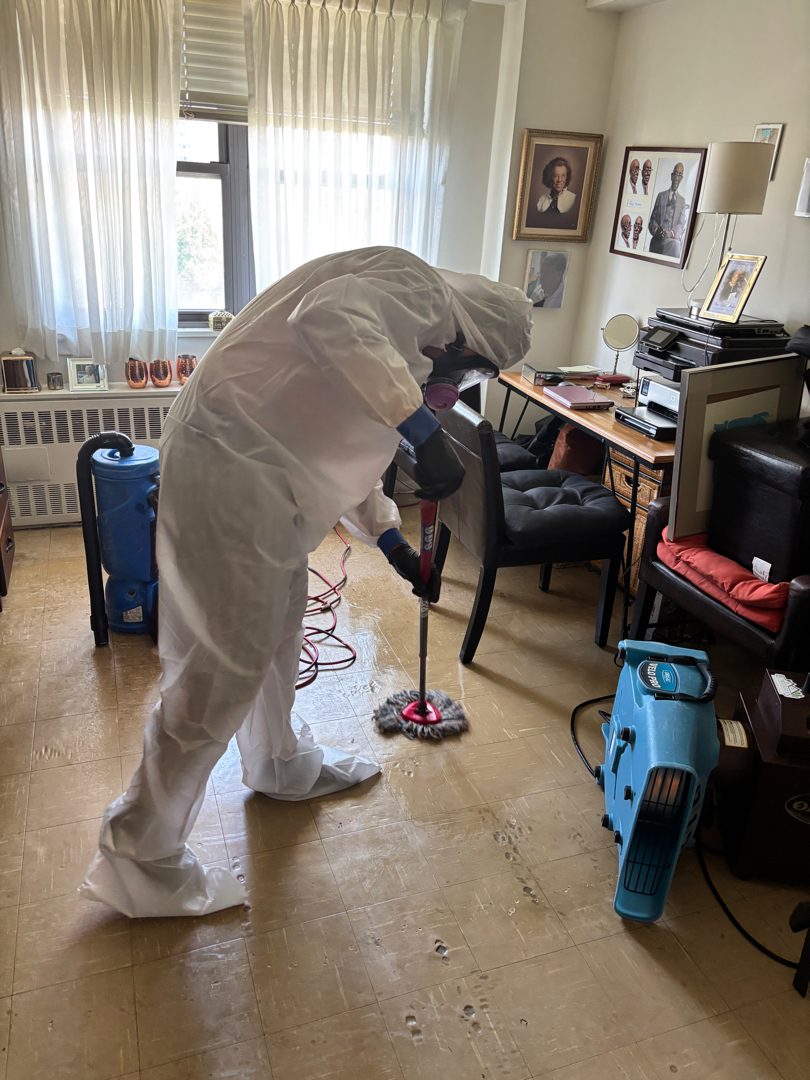
Facing a biohazard cleanup in Westchester County, NY? Bowerman Cleaning and Restoration answers 24/7, discreetly.
What Do the Two Approaches Share?
Short answer: keep people out, do not mop as a first move, and do not throw soaked, contaminated materials in ordinary household trash without guidance. Those shared habits still do not make the jobs identical.
In both cases, porous materials can absorb contamination and may have to come out. In both cases, a regular house cleaner is usually the wrong first call. And in both cases, insurance coverage depends on the event and the policy, so photographs and invoices matter. For the water-restoration habits that sewage work uses, see what water damage restoration is and what to do first after water damage.
What If One Property Has Both Problems?
Short answer: scope them as related but distinct parts of the work, so drying, waste, and disinfection are each assigned to the right materials. A single contractor may be able to handle both, but the written plan should still name both.
A backup in a basement and a separate biohazard scene upstairs should not be collapsed into one vague “cleaning” line. The sewage area needs extraction and drying. The biohazard area needs the scene protocol. If they share a hallway, that path has to be controlled so one problem is not tracked into the other. Ask how the waste streams will be kept straight, and who documents each.
The drying and opening of wet assemblies, once the source is controlled, still follows a measured process like the one in the water damage drying process. Hidden wetting behind a baseboard or under a pad should be checked rather than assumed dry, a caution also made in hidden water damage signs. Waste from a sewage loss and waste from a bloodborne scene should not be treated as interchangeable bags in a regular trash can. Each stream has its own packing and disposal path, and the paperwork should say which is which so a later reviewer is not left guessing.
Biohazard Cleanup vs Sewage Cleanup FAQs
Is sewage considered a biohazard?
Sewage is contaminated and can carry pathogens, so it is often described in that everyday sense. In this cluster, biohazard cleanup is used more specifically for blood, bodily fluids, and similar scenes, which is why the two have separate protocols.
Can the same firm do both?
Some firms do. The estimate should still spell out which areas follow a sewage-and-drying plan and which follow a biohazard scene plan.
Is a sewage backup the same as Category 3 water?
In restoration practice, sewage that has entered a building is typically treated as Category 3, or grossly contaminated, water. That label guides material removal and drying.
Should a sewage backup be mopped first?
No. Keep people out, stop the source if it can be done safely, and use a sewage or water-restoration response rather than a household mop as the first tool.
Which service page should be used?
Use the sewage page for wastewater backups and the biohazard page for blood or bodily-fluid scenes. If both apply, share both with the contractor.
Comparing biohazard cleanup vs sewage cleanup for a Westchester NY property? Bowerman Restoration LLC d/b/a Bowerman Cleaning & Restoration, 7 Intervale Street, White Plains, NY 10606, answers 24/7 at (844) 269-3762.