
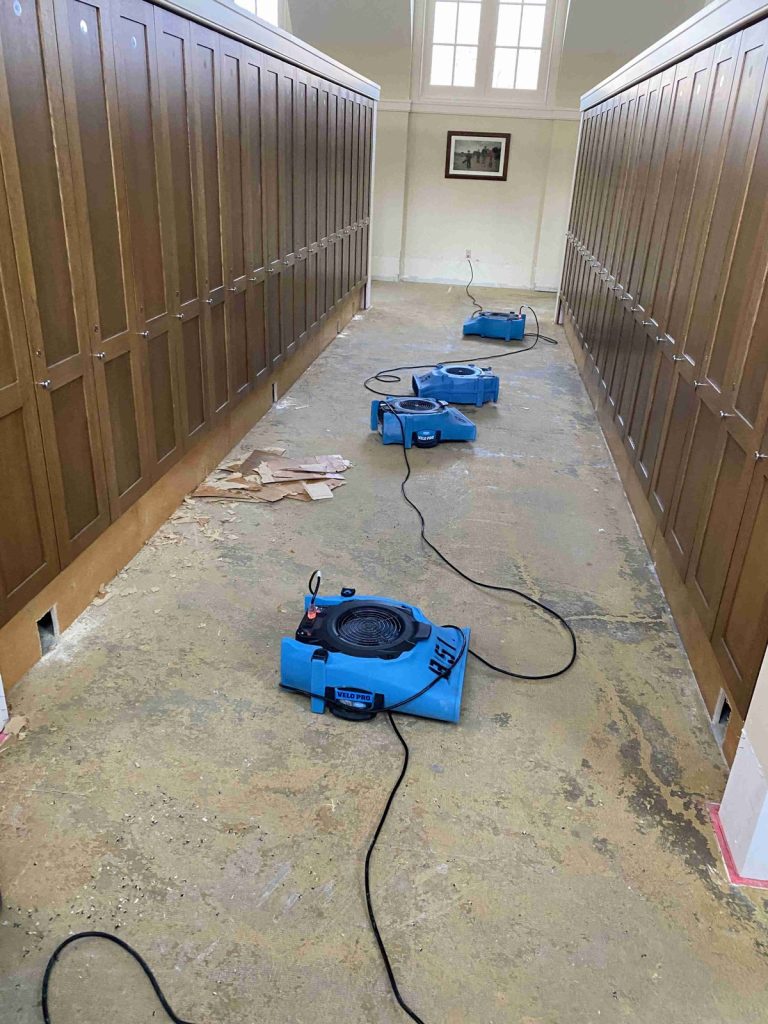
The costliest sewage cleanup mistakes in NY homes are drying before contaminated materials are removed, using bleach in place of cleaning, saving porous items that soaked up wastewater, and closing walls before readings confirm they are dry. Each one leaves contamination or moisture behind, which turns into odor, mold, and repeat work later.
Written by the Bowerman Cleaning and Restoration Team · August 31, 2026
Key Takeaways
- Fans before removal can spread contaminated droplets and odor from room to room.
- Bleach is not a cleaner: surfaces must be cleaned first, then treated with a registered disinfectant.
- Porous items that soaked up wastewater, such as carpet pad and drywall below the wet line, are rarely worth saving.
- Rebuilding without moisture readings can trap water behind new finishes.
In This Guide
- What Are the Most Common Sewage Cleanup Mistakes?
- Why Is Drying Before Removal a Mistake?
- Which Items Are Most Often Saved by Mistake?
- Why Does Skipping Verification Cost More Later?
- Sewage Cleanup Mistakes FAQs
What Are the Most Common Sewage Cleanup Mistakes?
Short answer: skipping steps or doing them out of order, from drying too early to rebuilding too soon.
- Drying before removal. Fans and dehumidifiers run over soaked carpet and drywall that still hold wastewater.
- Bleach as the only step. Bleach is poured on surfaces that were never cleaned, so residue stays behind.
- Saving porous materials. Carpet pad, insulation, and particleboard are cleaned instead of removed.
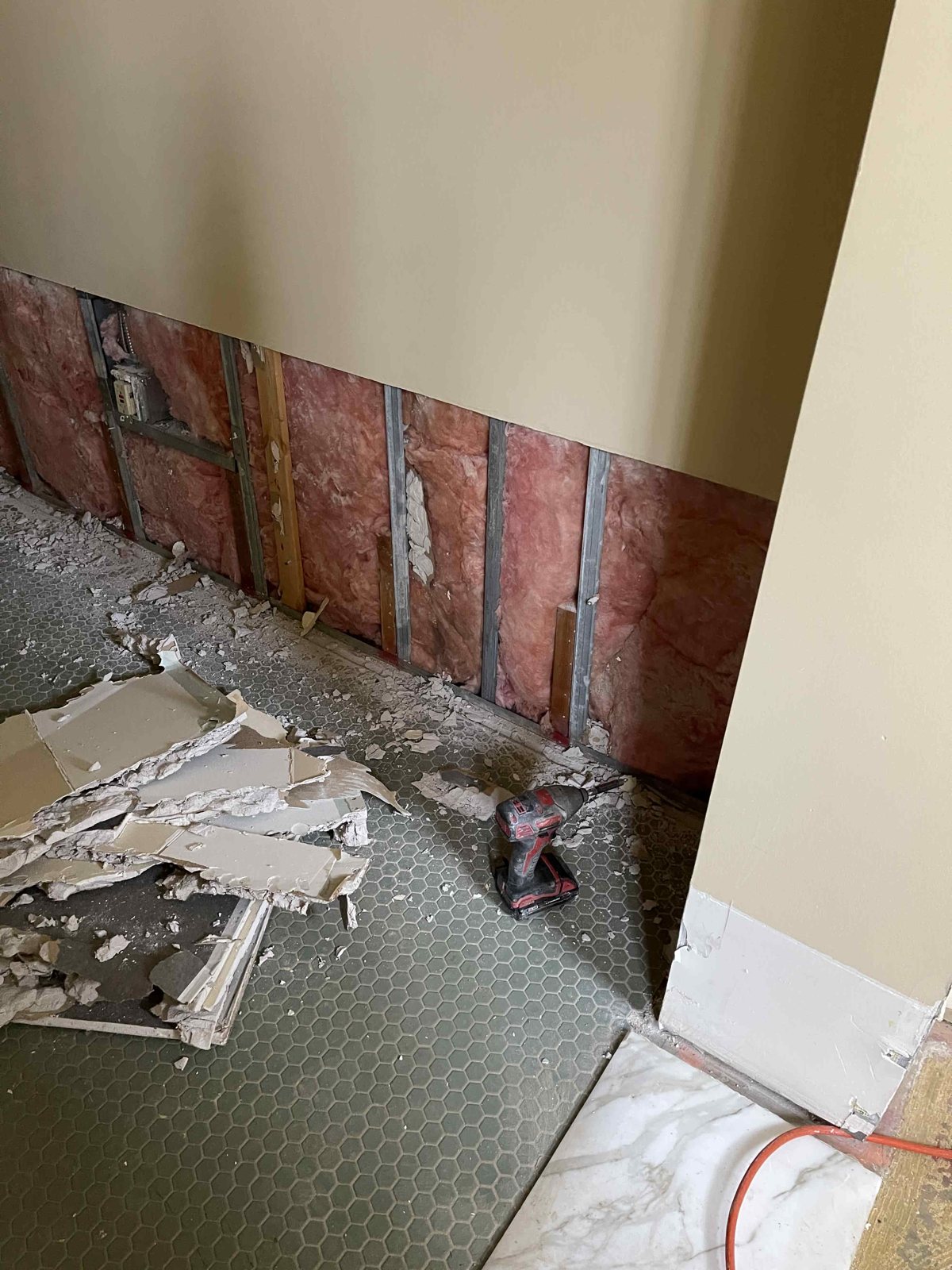
- No flood cut. Drywall is left in place even though water wicked up inside the cavity.
- No protective gear. Household members handle debris barehanded and without eye protection.
- No documentation. Items are thrown out before photos and a list are made for the claim.
- Ignoring the cause. The cleanup is done but the line is never cleared or inspected, so it happens again.
- Rebuilding too soon. New drywall and flooring go in before the structure reads dry.
First-hour reactions such as mopping and continuing to use fixtures are covered separately. This list focuses on the mistakes that show up later, once cleanup is underway. Many mirror the clean-water errors in water damage mistakes, with higher stakes because the water is contaminated. A full overview of the work is in what is sewage damage cleanup. The items to discard after a sewage backup guide covers this in more detail.
Why Is Drying Before Removal a Mistake?
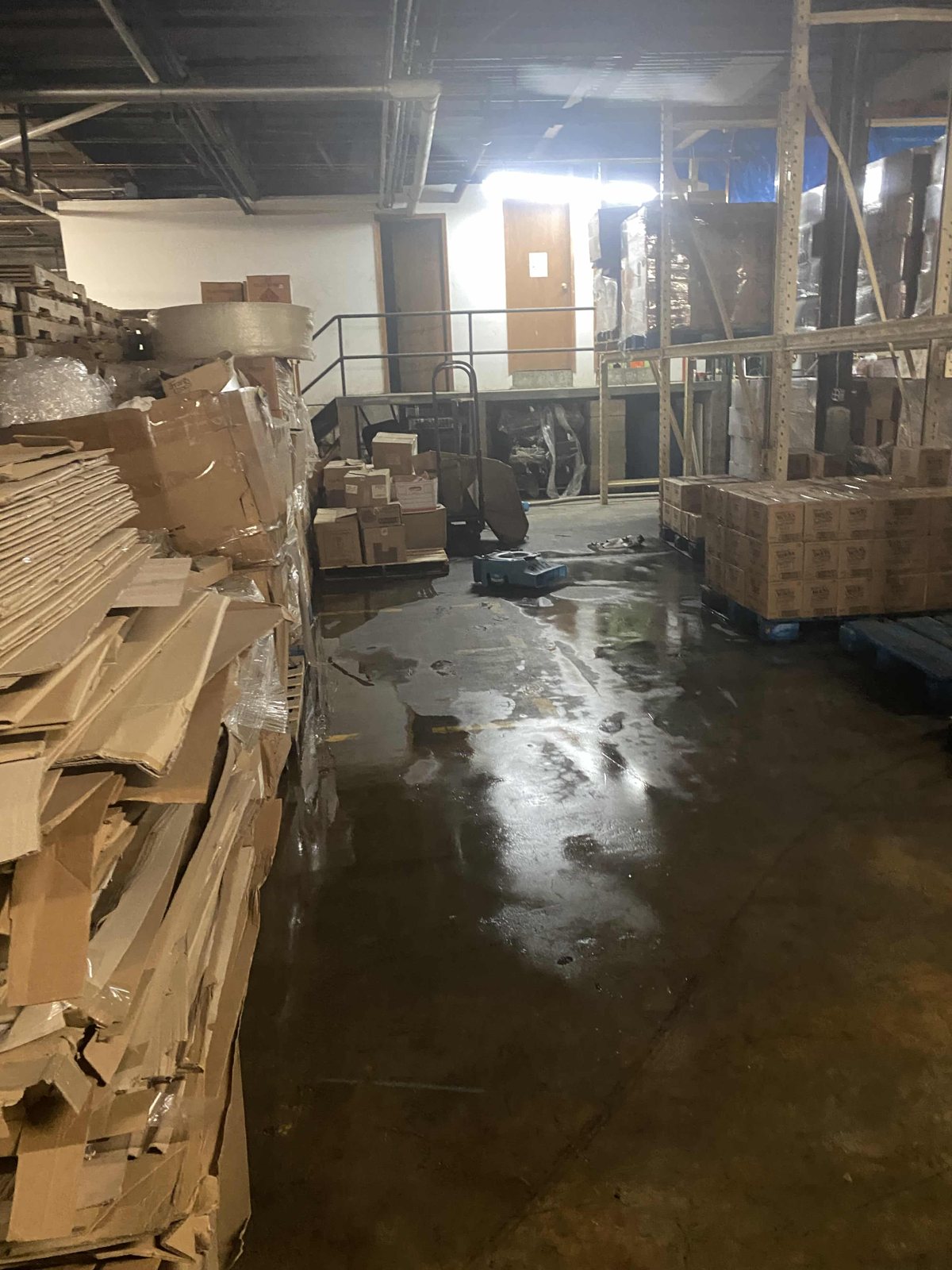
Short answer: air moving across wet, contaminated materials carries droplets and odor into clean areas and does not remove the contamination.
Air movers are designed to speed evaporation. Pointed at soaked carpet or drywall that still holds wastewater, they push contaminated moisture into the air and across the house. The right order is extraction, removal of soaked porous materials, cleaning, disinfection, and only then drying with air movers and dehumidifiers.
How each machine works is explained in air movers vs dehumidifiers, and the drying stage itself follows the water damage drying process.
Sewage backup at a Westchester County, NY property? Bowerman Cleaning and Restoration answers 24/7.
Which Items Are Most Often Saved by Mistake?
Short answer: porous materials that absorbed wastewater and cannot be fully cleaned through.
| Item | Why it is usually removed | Common mistake |
|---|---|---|
| Carpet pad | Acts like a sponge and holds contamination | Pulling up carpet, drying the pad, and laying it back |
| Drywall below the wet line | Wicks water and holds residue inside the cavity | Wiping the face and leaving it in place |
| Insulation | Holds water and contamination | Leaving wet batts in the wall |
| Upholstered furniture | Foam and fabric absorb wastewater | Spot cleaning the surface |
| Particleboard cabinets | Swells and absorbs water | Drying and reusing them |
The CDC cleanup guidance recommends discarding drywall and insulation contaminated with sewage or floodwater. Hard, nonporous surfaces that stay are cleaned with detergent first and then treated with a product from the EPA list of registered disinfectants, following the label contact time.
Why Does Skipping Verification Cost More Later?
Short answer: without readings and records, hidden moisture and missing documentation lead to odor, mold, and claim disputes.
A wall can feel dry on the surface while the framing behind it is still wet. Moisture readings at the start and at the end show that the structure reached a dry standard before anything is closed up. Photos, a list of removed items, and the plumber invoice showing the cause also make the insurance claim easier to support.
When moisture is trapped behind new drywall, the result is often musty odor and growth that means opening the wall again. The guide to mold growth after water damage explains that timeline. The full contaminated-water process, from extraction to verified drying, is outlined on the sewage damage cleanup and restoration page.
Sewage Cleanup Mistakes FAQs
Is bleach enough to clean up sewage?
No. Surfaces need to be cleaned of residue first. A disinfectant only works on a clean surface and needs its full label contact time. The what to do first after a sewage backup guide covers this in more detail.
Can carpet be saved after a sewage backup?
Wall-to-wall carpet and pad that soaked up wastewater are usually removed. Some valuable area rugs may be cleaned by a rug specialist, case by case.
Why cut drywall above the water line?
Water wicks upward inside drywall, so the cut is made above the highest point of wetting to remove all affected material.
When can new drywall go in?
After the framing and subfloor read dry and the area has been cleaned and disinfected.
What is the biggest mistake overall?
Treating sewage like clean water. Contaminated water changes what must be removed and how surfaces are cleaned.
Trying to avoid sewage cleanup mistakes in a Westchester NY home? Bowerman Restoration LLC d/b/a Bowerman Cleaning & Restoration, 7 Intervale Street, White Plains, NY 10606, answers 24/7 at (844) 269-3762.