
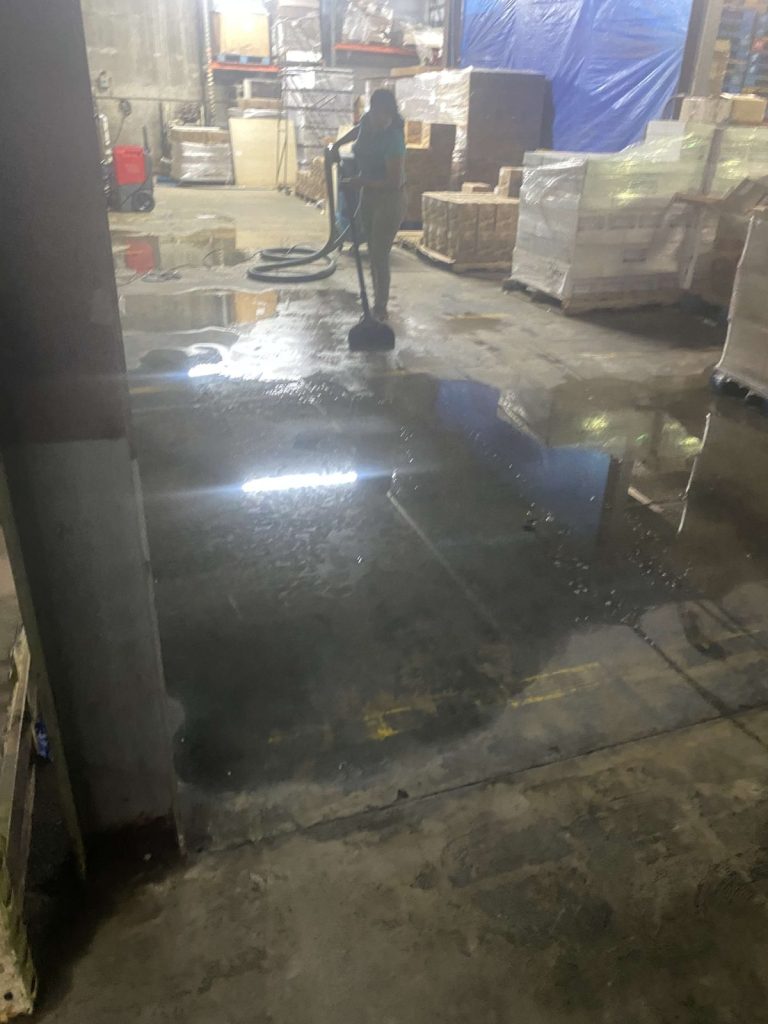
What to do first after a sewage backup in a NY home is simple: keep people and pets out, stop using water so the backup does not grow, stay clear of anything electrical near the water, and photograph the damage. Then call for extraction and cleanup instead of mopping wastewater by hand.
Written by the Bowerman Cleaning and Restoration Team · August 14, 2026
Key Takeaways
- Distance first: close off the area and keep everyone, especially children and pets, away from the water.
- Stop using water: every sink, toilet, and appliance drain can push more sewage into the same spot.
- Document before moving anything: photos of the water line and damaged items support the claim.
- Skip the mop: hand cleanup spreads contamination and can expose the person doing it.
In This Guide
- What Are the First Steps, in Order?
- What Should Be Avoided in the First Hour?
- Who Should Be Called First?
- What Happens After the First Hour?
- What to Do First After a Sewage Backup FAQs
What Are the First Steps, in Order?
Short answer: protect people, stop the inflow, check for electrical risk, record the damage, then call for help.
- Keep people and pets out. Close the door to the affected area and keep children and pets away. Do not walk through wastewater to reach something.
- Stop adding water. Stop running water, flushing toilets, and running the washer or dishwasher, since every drain in the house may feed the backup.
- Make the area electrically safe. If water is near outlets, cords, or a furnace, do not enter. Shut power at the panel only if the panel is dry and reachable without standing in water.
- Photograph everything. Take photos and video of the water line, the fixture or drain where it came up, and damaged contents before anything is moved.
- Call for the right help. Call a plumber or the municipality about the line, and a sewage cleanup crew for the building, then notify the insurer.
- Leave the cleanup to protective equipment. Skip the mop and household wet vac. Contaminated water needs extraction, material removal, and disinfection by people in proper gear.
The order matters. A homeowner who starts by mopping is exposed before the source is stopped, and the photos needed for a claim get lost in the cleanup. The live guide on what to do first after water damage uses the same order for clean-water leaks; a sewage backup adds the contamination layer. A full overview of the work is in what is sewage damage cleanup.
What Should Be Avoided in the First Hour?
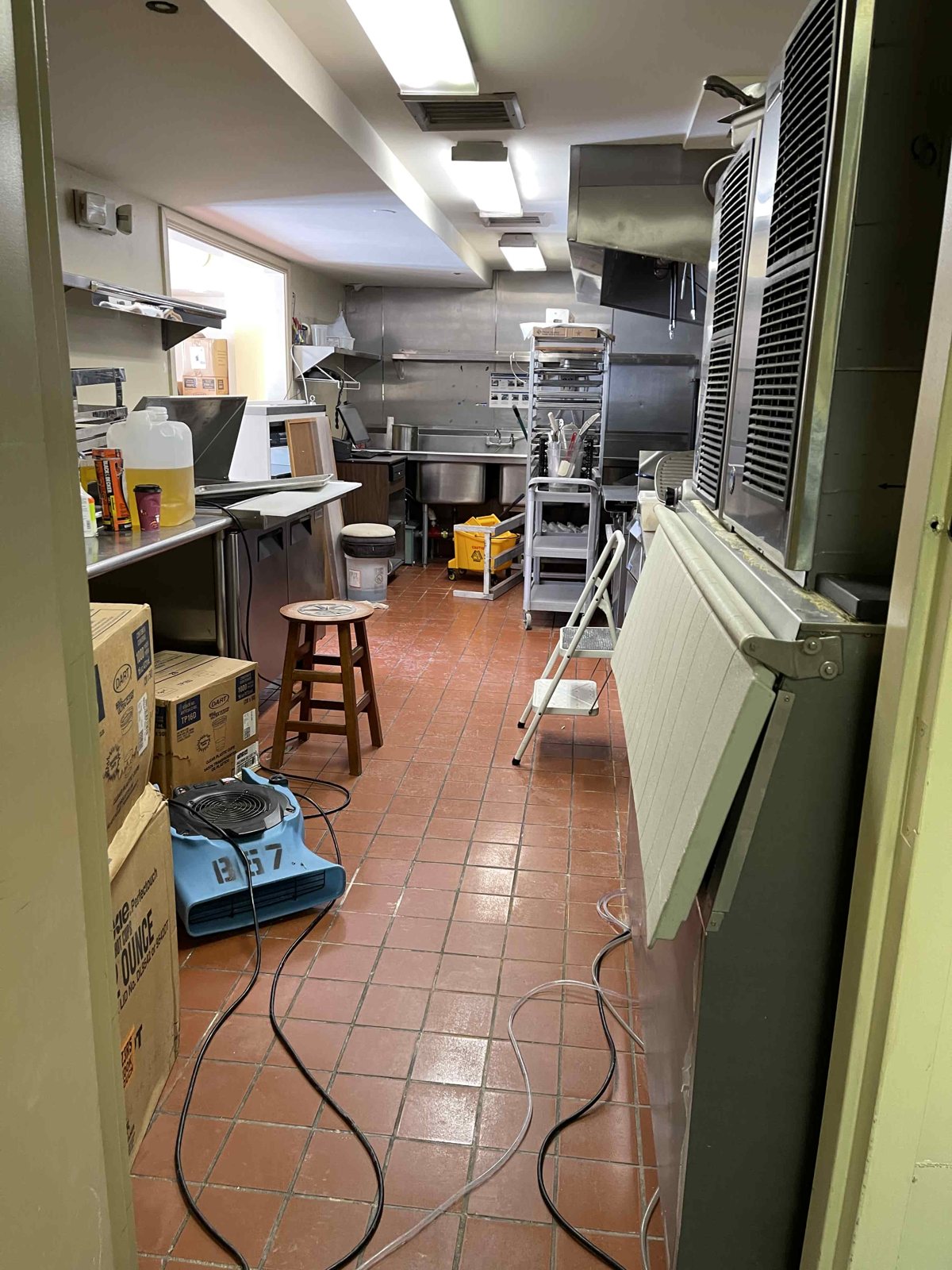
Short answer: mopping, running fans, pouring bleach, and throwing away items before they are photographed.
| Common reaction | Why it backfires | Better move |
|---|---|---|
| Mop or wet vac the water | Spreads residue and aerosolizes contaminants; home wet vacs are hard to decontaminate | Leave extraction to dedicated equipment |
| Turn on fans | Can blow contaminated droplets and odor into clean rooms | Keep the door closed until cleanup starts |
| Pour bleach on the floor | Does not remove residue and can react with other cleaners | Wait for cleaning, then a registered disinfectant |
| Throw out soaked items right away | Removes proof for the insurance claim | Photograph first, then set aside |
| Keep using fixtures | Every drain may feed the backup | Stop all water use until the line is cleared |
Many of these are the same errors listed in water damage mistakes, made worse because the water is contaminated.
Sewage backup at a Westchester County, NY property? Bowerman Cleaning and Restoration answers 24/7.
Who Should Be Called First?
Short answer: a plumber or the local sewer authority for the line, and a sewage cleanup crew for the building, often at the same time.
The line and the building are two different problems. A plumber or the municipality clears the blockage or confirms whether the issue is in the public main. A cleanup crew handles the wastewater already inside. Public sewer overflows are a known municipal issue; the EPA has background on sanitary sewer overflows and why they happen during heavy rain.
Call the insurer early as well. Coverage for backup damage often depends on a specific endorsement, and the adjuster may want to see the scene before materials are removed. The filing a claim page and water damage insurance coverage explain what usually helps a claim move.
What Happens After the First Hour?
Short answer: extraction, removal of soaked porous materials, cleaning, disinfection, and measured drying.
Once a crew arrives, standing wastewater is extracted, soaked carpet and pad are cut out, and drywall is removed above the wet line. Surfaces that stay are cleaned and disinfected, then drying equipment runs until readings confirm the structure is dry. The sewage damage cleanup and restoration page outlines that full scope.
The drying side follows the water damage drying process. If the backup reached a finished basement after heavy rain, the case study on basement flood restoration after heavy rain shows how a lower-level job is staged. OSHA guidance on flood response hazards is a useful reminder of why protective equipment matters.
What to Do First After a Sewage Backup FAQs
Is it safe to stay in the house after a sewage backup?
Often yes, if the affected area is closed off, the rest of the home has working, unaffected plumbing, and no one sensitive is exposed. Large backups or ones that reach HVAC equipment may call for staying elsewhere.
Should the toilet be plunged during a backup?
If several fixtures are backing up, plunging one will not fix a main line blockage. Stop using water and call a plumber or the municipality.
Can a regular shop vac be used on sewage?
It is not recommended. It can spread contaminants through its exhaust and is difficult to clean afterward.
How soon should cleanup start?
As soon as the source is controlled. The longer wastewater sits, the more it soaks into porous materials and the more has to be removed.
What should be photographed?
The water line on walls, the fixture or drain where it came up, damaged contents, and any visible cause such as a cleanout cap or floor drain.
Just found a sewage backup in a Westchester NY home? Bowerman Restoration LLC d/b/a Bowerman Cleaning & Restoration, 7 Intervale Street, White Plains, NY 10606, answers 24/7 at (844) 269-3762.