
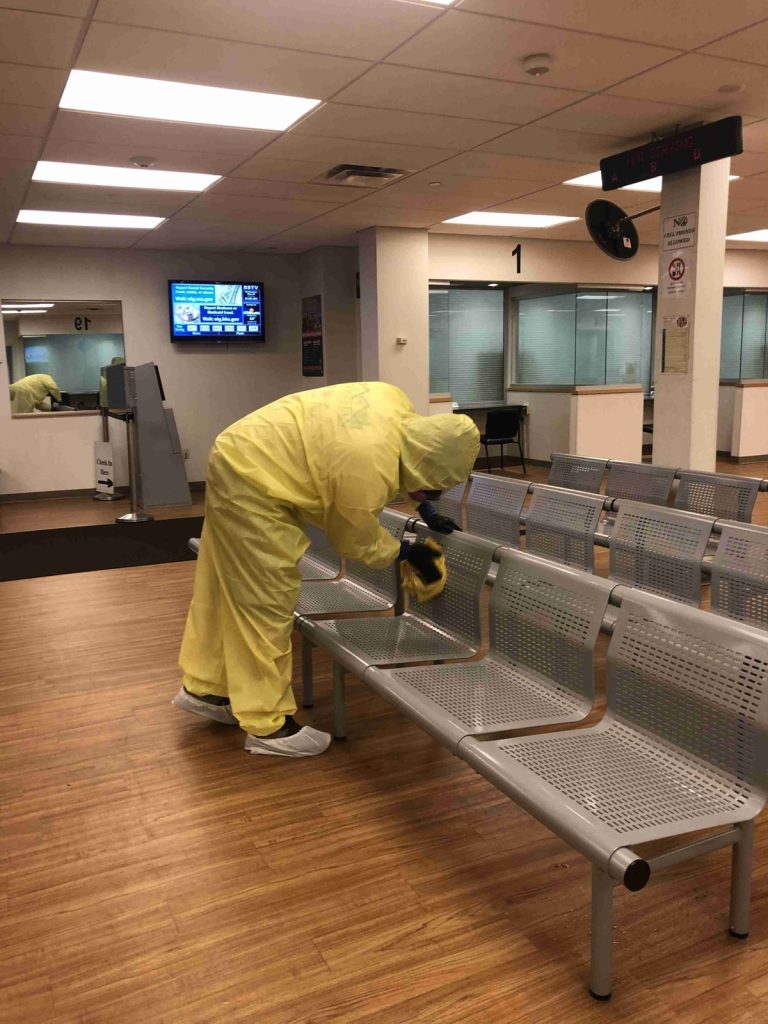
Biohazard cleanup insurance coverage in NY often depends on the cause of the event, not only on the fact that cleanup is needed. Many homeowners policies respond to sudden, accidental damage after certain injuries, deaths, or vandalism. Gradual damage, neglect, or some exclusions can take a claim outside coverage.
Written by the Bowerman Cleaning and Restoration Team · October 26, 2026
Key Takeaways
- Cause of loss is the starting point. A sudden event and a long-deferred condition are treated differently.
- Many policies can respond to cleanup after certain sudden incidents, but coverage is not automatic.
- Documentation from the scene (photos, scope, and invoices) supports a claim review.
- Cleanup and reconstruction may be reviewed as separate parts of the same claim.
In This Guide
- What Does Biohazard Cleanup Insurance Coverage Usually Depend On?
- Which Situations Are More Often Reviewed for Coverage?
- How Should a Claim Be Documented?
- What Can Limit or Delay Biohazard Cleanup Insurance Coverage?
- Biohazard Cleanup Insurance Coverage FAQs
What Does Biohazard Cleanup Insurance Coverage Usually Depend On?
Short answer: the cause of the event, the type of policy, any exclusions, and how clearly the loss is documented.
| Question insurers often ask | Why it matters | What to have ready |
|---|---|---|
| What caused the need for cleanup? | Sudden accidental events are more often covered than gradual ones | A short, factual description and, if applicable, a police or official report |
| Whose policy applies? | Homeowner, landlord, HO-6, or a commercial policy may each respond differently | The declarations page and the name of the insured |
| What is excluded? | Some policies limit or exclude certain deaths, infestations, or neglect | The exclusions section, read with the adjuster or agent |
| What was actually done? | Insurers pay for covered, reasonable cleanup, not unrelated upgrades | A written scope, photos, and itemized invoices |
| Is rebuild included? | Materials removed for cleanup may need to be replaced later | A clear split between cleanup and construction bids |
The live biohazard remediation page describes the work that might appear on a claim. OSHA’s bloodborne pathogens guidance helps explain, if an adjuster asks, why the job is not priced or staffed like a regular housecleaning visit. A full overview of the work is in what is biohazard cleanup.
Which Situations Are More Often Reviewed for Coverage?
Short answer: sudden injuries, some deaths in the home, vandalism, and other abrupt events, depending on the policy language.
A sudden incident that leaves blood or other fluids in a covered dwelling is the kind of loss many adjusters are used to reviewing. An unattended death can also lead to a claim, though the outcome still depends on the policy and the facts. Vandalism or a break-in that leaves a biohazard may fall under a different covered peril than a death. None of these should be assumed; the agent or adjuster has to apply the actual wording.
The published article on fire damage insurance claims is a useful parallel for documentation, even though the peril is different: photos, a written inventory, and a clear scope help the review. The live list of biohazard cleanup company questions includes what to ask about invoices and documentation before work starts.
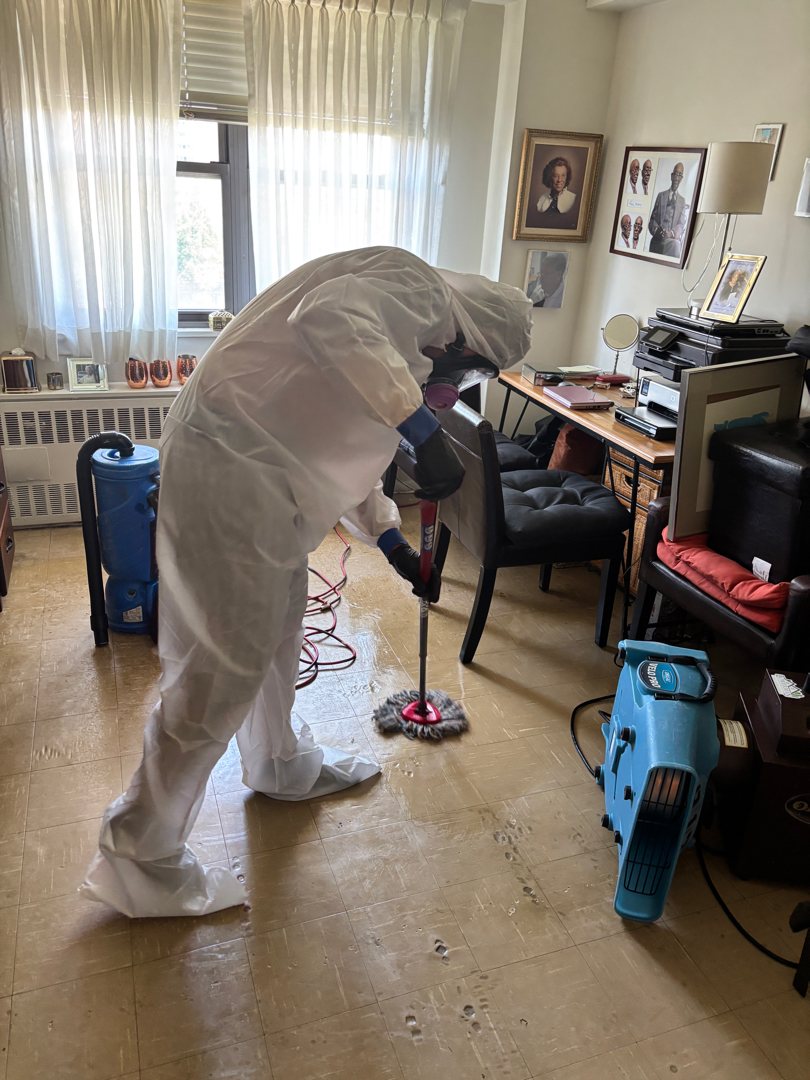
A biohazard or trauma cleanup question in Westchester County, NY? Bowerman Cleaning and Restoration answers 24/7.
How Should a Claim Be Documented?
Short answer: photograph the scene before work proceeds (once the site is released), keep a written scope, and save every invoice and waste record.
- Notify the insurer promptly. A delay can complicate a review, especially if further damage occurs.
- Record the scene. Photos and a written description should be taken after official release, before demolition.
- Separate cleanup from rebuild. Itemized invoices make it easier to see what was contamination work and what was later repair.
- Keep official reports. Police, medical examiner, or building-management notices can establish the cause and the date.
- Ask before approving extras. Additional demolition or rebuild should be agreed in writing if it will be submitted on the claim.
The live article on materials removed in biohazard cleanup is worth reading before contents are discarded, because a simple inventory of what leaves the property can support the claim. Product names matter less than the scope; the EPA lists selected registered disinfectants, but the claim usually turns on what was contaminated and what had to be removed.
What Can Limit or Delay Biohazard Cleanup Insurance Coverage?
Short answer: exclusions, late notice, missing documentation, or work that goes beyond the covered loss.
- Policy exclusions may apply to certain events or to damage that developed over time.
- Late reporting can be a problem if the insurer could not inspect or if the scene changed.
- Incomplete invoices make it hard to see what was necessary cleanup.
- Unrelated upgrades added during the rebuild are often not paid as part of the biohazard loss.
A cleanup still may need to start quickly for health and odor reasons, even while a claim is being reviewed. The live guide to biohazard cleanup mistakes includes discarding items with no record, which is hard to undo later if the insurer asks what was removed.
Biohazard Cleanup Insurance Coverage FAQs
Does a standard homeowners policy cover biohazard cleanup?
It may, when the cleanup is tied to a covered, sudden event. The cause, the policy form, and any exclusions all have to be reviewed. Coverage should not be assumed from the invoice alone.
Will insurance pay if the person who died was the policyholder?
Sometimes, depending on the policy and the facts. The estate or a family representative typically works with the insurer. The answer is specific to that contract.
Should cleanup wait until the claim is approved?
Health and further damage often argue for starting after the scene is released and documented. The insurer can be notified first, and photos can be taken before removal.
Are apartments treated the same as houses for coverage?
The landlord’s policy, the renter’s policy, or both may be involved. Building management and the insurers need to know who is responsible for the unit and any common areas.
Can an insurer require a particular cleanup company?
Some policies or adjusters have preferred vendors. A property owner can still ask that the scope, qualifications, and documentation meet the needs of the scene. The biohazard cleanup cost guide covers this in more detail.
Checking biohazard cleanup insurance coverage after an incident in a Westchester NY home or building? Bowerman Restoration LLC d/b/a Bowerman Cleaning & Restoration, 7 Intervale Street, White Plains, NY 10606, answers 24/7 at (844) 269-3762.