
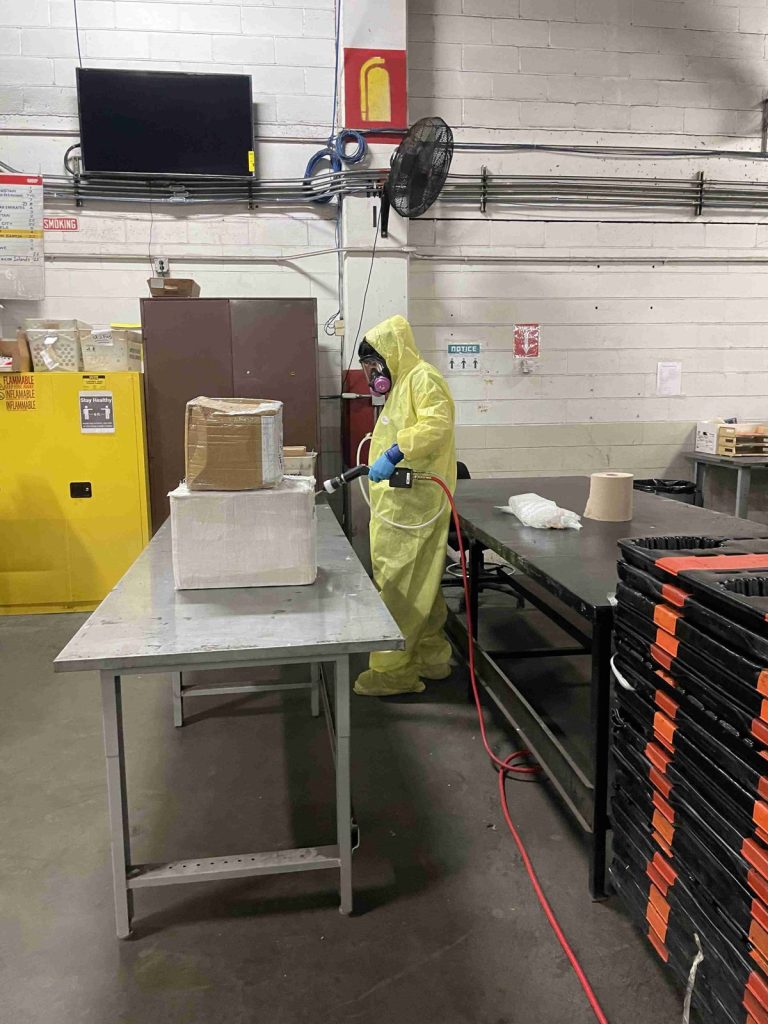
Biohazard company vs janitorial service is a split along risk, not along how busy a crew looks. In NY properties, janitors clean daily soil: floors, restrooms, kitchens, and routine trash. A biohazard company responds to uncommon events involving blood, bodily fluids, or similar materials, with training, protective equipment, and waste rules that a nightly cleaning crew is not built to meet. Asking a janitorial service to “just take care of it” after a serious incident is how people get exposed and how a scene gets cleaned in appearance only.
Written by the Bowerman Cleaning and Restoration Team · November 13, 2026
Key Takeaways
- A janitorial service handles routine, scheduled cleaning of ordinary soil.
- A biohazard company handles incident-based work involving blood, bodily fluids, or similar contamination.
- The two differ in training, equipment, waste, insurance, and how success is judged.
- A janitorial crew that declines a biohazard request is often making the right decision.
In This Guide
- How Do the Two Kinds of Companies Differ?
- How Does This Play Out in an Apartment, Office, or Shared Building?
- What Goes Wrong When the Roles Are Blurred?
- How Should a Property Owner or Manager Choose?
- Biohazard Company vs Janitorial Service FAQs
How Do the Two Kinds of Companies Differ?
Short answer: janitorial work is routine and appearance-based; biohazard work is an assessed project with regulated waste and a defined end point. Both may use cleaning products and travel in vans. The similarity ends there.
| Question | Janitorial service | Biohazard company |
|---|---|---|
| Typical work | Daily or weekly cleaning of ordinary dirt and restroom soil | Incident response for blood, bodily fluids, and related scenes |
| Training focus | Housekeeping methods and routine chemical use | Bloodborne pathogen practices, protective equipment, and scene assessment |
| Waste | Ordinary trash and recycling | Packaged, labeled, and hauled as regulated waste when required |
| When they arrive | On a schedule | After an event, and after any official release if it is a crime scene |
| When they are done | The space looks and smells as agreed for regular service | The agreed materials have been cleaned or removed, and waste has been documented |
The OSHA bloodborne pathogens standard and OSHA’s summary page describe obligations that apply when workers can reasonably be exposed to blood or other potentially infectious materials. That is the world a biohazard company is set up for, not the world of routine floor care.
The difference also shows up in insurance, waste, and access. A janitorial invoice is usually a recurring service ticket. A biohazard invoice should describe affected rooms, removed materials, and how waste left the property. Those are not interchangeable documents, and a property file that only has a nightly cleaning log after a serious incident is incomplete.
How Does This Play Out in an Apartment, Office, or Shared Building?
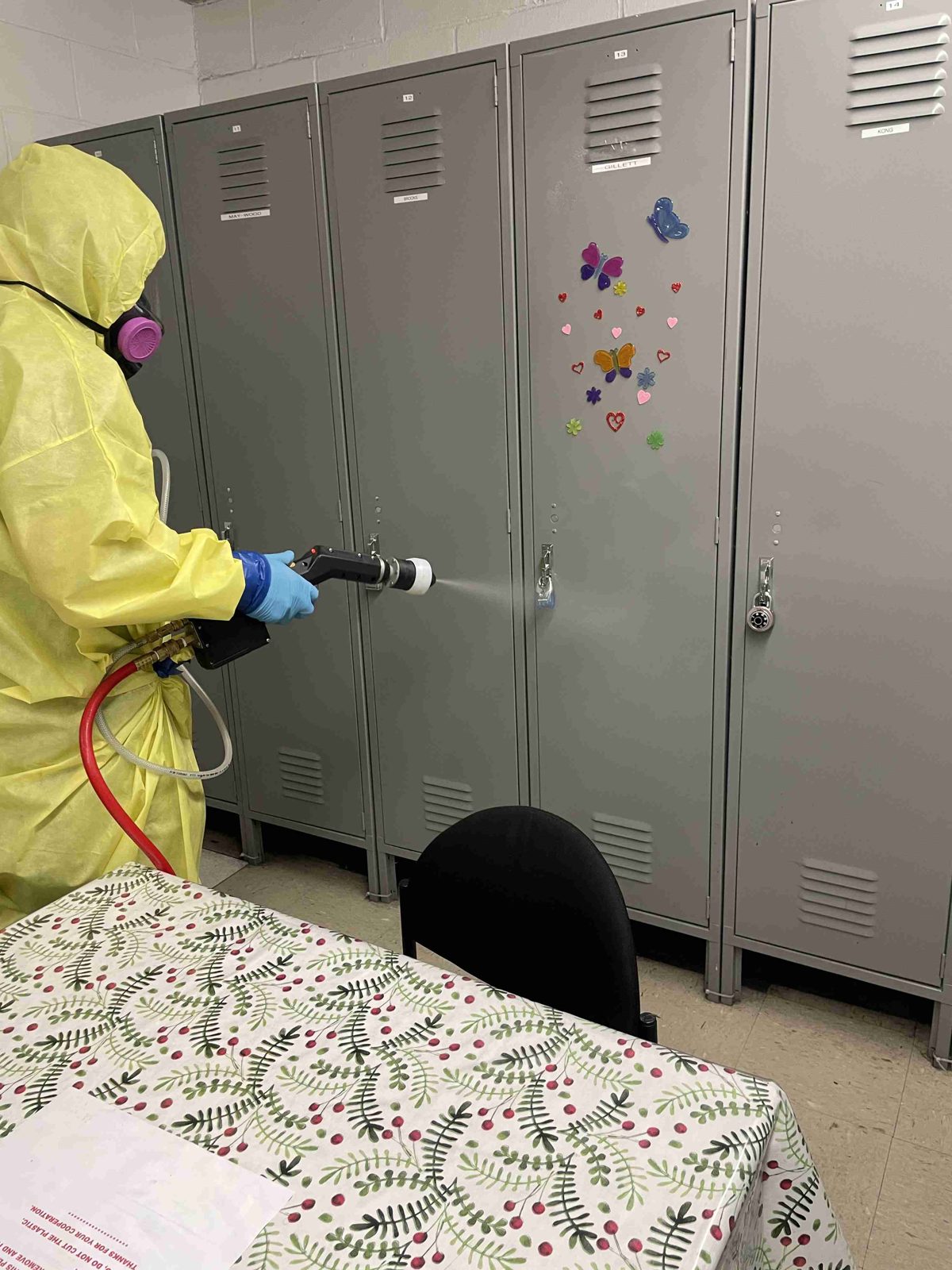
Short answer: the building may already have a janitorial contract, and that contract usually does not include biohazard incidents. The manager still needs a plan for who to call when an incident happens.
A night crew should not be asked to clean blood in a hallway as an extra task. The safer path is to close off the area, protect other occupants, and call a firm that does this work. Shared walls, elevators, and trash rooms make discretion and a clear waste path especially important. The building’s regular cleaner can go back to scheduled work in unaffected areas once the incident rooms are controlled.
Biohazard remediation is the service page for this work and a useful overview a manager can keep on file.
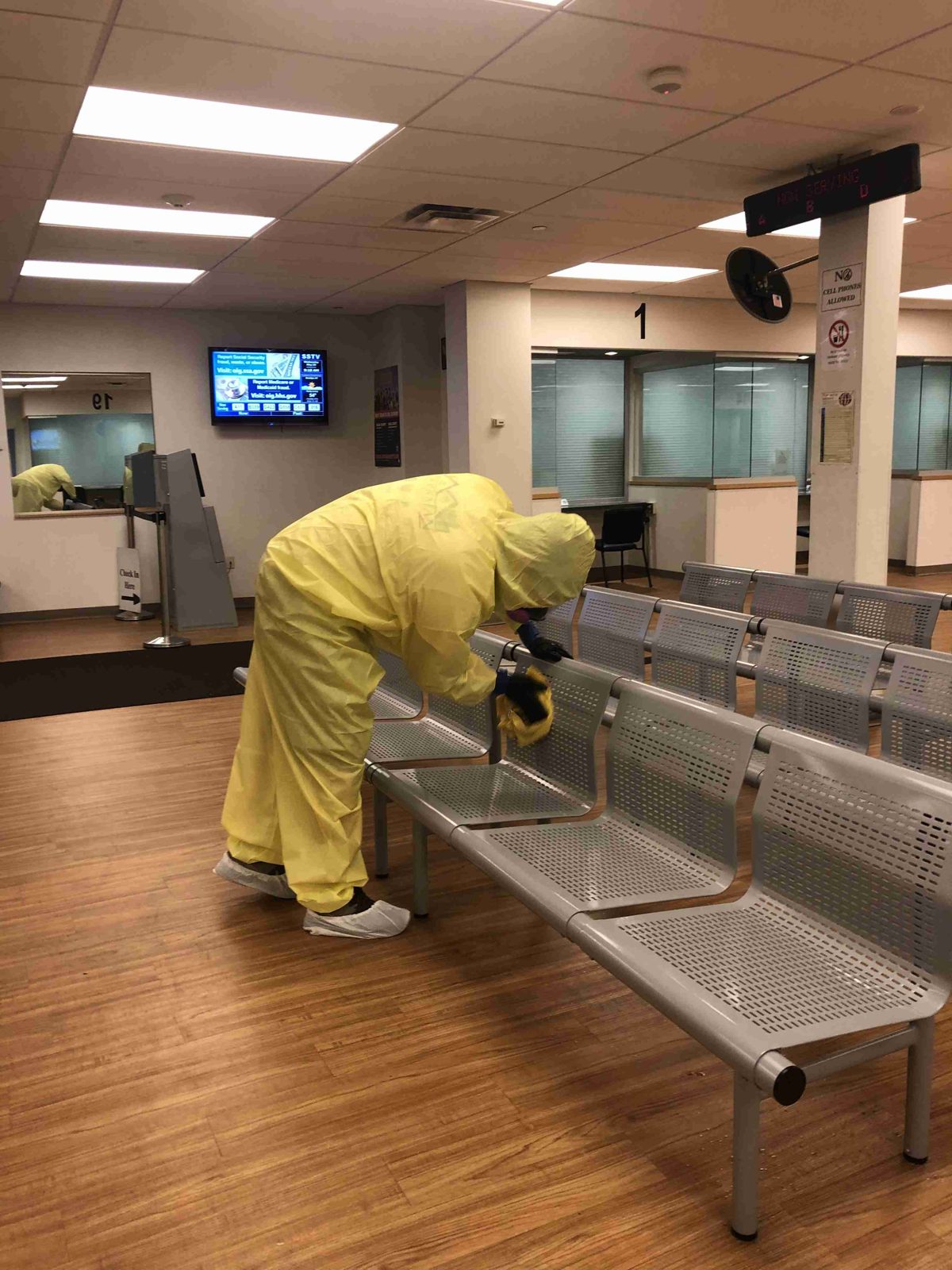
Facing a biohazard cleanup in Westchester County, NY? Bowerman Cleaning and Restoration answers 24/7, discreetly.
What Goes Wrong When the Roles Are Blurred?
Short answer: exposure, incomplete cleaning of hidden materials, and waste placed in ordinary dumpsters. A low add-on price from a janitorial vendor does not fix those problems.
Janitors may also be the first people to find a scene. Their role at that moment is to stop, keep others out, and report it, not to start mopping. If they have already begun, the biohazard firm should be told exactly what was done and where the waste went, so the scope can include those areas.
A night porter or a weekly crew may already have a bloodborne-pathogen policy for a small, incidental spill in a restroom. That policy is not the same as being equipped for a death, a large blood loss, or a hoarding-related biohazard in a unit. Using the in-house cart, the same mop water, or a shared vacuum across that kind of scene can move contamination into a corridor or an elevator. The mistake is understandable under pressure and still costly to undo. A written building procedure that says when the janitorial contract stops and a biohazard firm is called prevents that improvisation.
How Should a Property Owner or Manager Choose?
Short answer: keep the janitorial contract for routine work, and keep a separate option for biohazard incidents. The two vendors can coexist; they should not be treated as interchangeable.
If an incident also involves a sewage backup, that is a third, related protocol. See sewage damage cleanup and restoration and the sewage tips page. For ordinary water losses that are not biohazard or sewage events, what water damage restoration is and what to do first after water damage remain the better guides.
Managers should also look at how each firm will document the work for a tenant file or an insurer. Janitorial tickets are often a checklist of rooms cleaned. Biohazard work needs a description of affected materials, waste, and access, closer in spirit to water damage insurance coverage than to a nightly log. If water or sewage is part of the same incident, the water damage drying process may apply after the biohazard risk is controlled, but it does not replace that first decision about which kind of company should enter the unit.
Biohazard Company vs Janitorial Service FAQs
Can a janitorial company subcontract a biohazard firm?
Yes, and that can be a good arrangement, as long as the biohazard work is actually performed as biohazard work, with the right waste handling and records.
Is restroom cleaning by a janitor the same as biohazard work?
Routine restroom cleaning is janitorial work. A blood incident in that restroom is not, and should be assessed as a separate event.
Should a building list both numbers for staff?
Yes. Staff should know who to call for a daily issue and who to call for a blood or bodily-fluid incident, including after hours.
Does a biohazard company replace the cleaning service afterward?
Usually no. Once the incident work is finished, scheduled janitorial service can resume in those rooms unless the scope says otherwise.
Why might a janitorial vendor say no?
Because the job is outside its training, equipment, insurance, or contract. That refusal is often the responsible answer.
Choosing between a biohazard company vs janitorial service in Westchester NY? Bowerman Restoration LLC d/b/a Bowerman Cleaning & Restoration, 7 Intervale Street, White Plains, NY 10606, answers 24/7 at (844) 269-3762.