
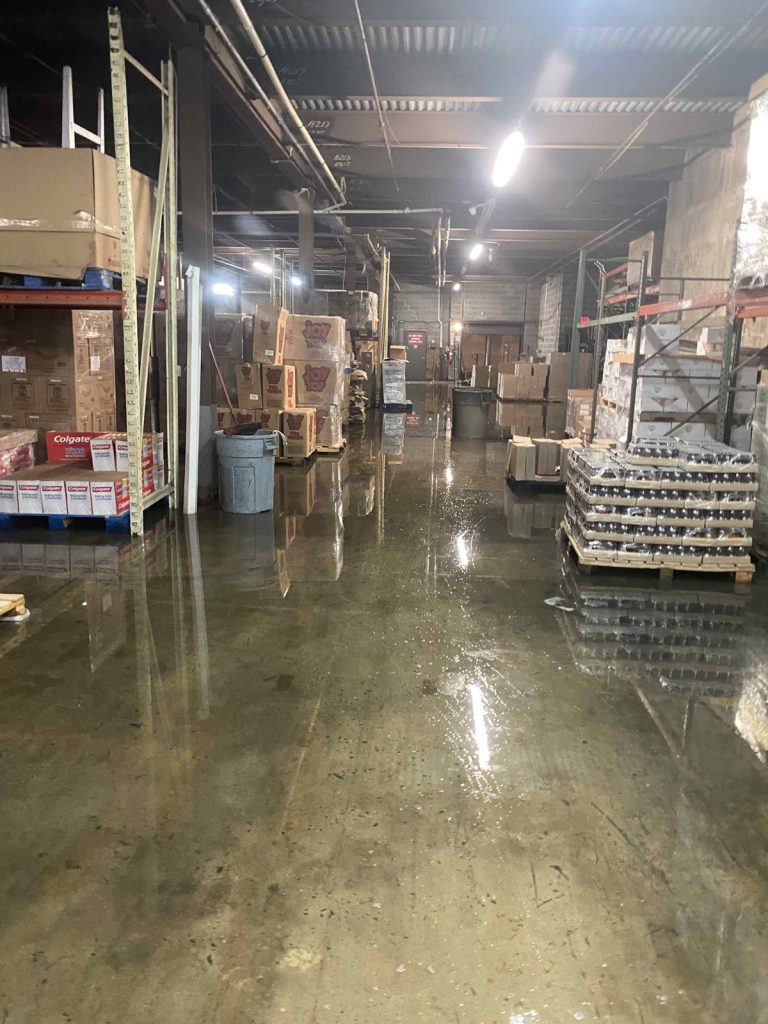
Category 2 vs Category 3 water is a question of contamination. Category 2 water, such as washer or dishwasher overflow, carries some contamination and can make people sick. Category 3 water, such as sewage or toilet backflow with waste, is grossly contaminated. In NY homes, that difference decides which wet materials can be cleaned and which must be removed.
Written by the Bowerman Cleaning and Restoration Team · September 11, 2026
Key Takeaways
- Category 2 is significantly contaminated water, such as washer, dishwasher, or urine-only toilet overflow.
- Category 3 is grossly contaminated water, such as sewage, toilet backflow with feces, or rising floodwater.
- Category 2 can become Category 3 with time, heat, or contact with contaminants.
- The category decides what stays and what goes, especially for carpet pad and drywall.
In This Guide
- What Separates Category 2 From Category 3 Water?
- Can Category 2 Water Become Category 3?
- What Stays and What Goes in Each Category?
- Who Decides the Water Category?
- Category 2 vs Category 3 Water FAQs
What Separates Category 2 From Category 3 Water?
Short answer: the level of contamination, which comes from the source and how long the water has been sitting.
| Factor | Category 2 water | Category 3 water |
|---|---|---|
| Common sources | Washing machine or dishwasher overflow, aquarium leak, urine-only toilet overflow | Sewage backup, toilet backflow with feces, rising floodwater, seawater |
| Contamination | Significant; can cause illness | Gross; contains pathogens and waste |
| Health risk | Moderate | High |
| Protective gear | Gloves and eye protection | Full protective gear for cleanup crews |
| Cleaning | Cleaning and often an antimicrobial | Removal, cleaning, and disinfection |
All three categories are explained in the live guide to water damage categories. This post focuses only on where the line between 2 and 3 falls. A full overview of the work is in what is sewage damage cleanup.
Can Category 2 Water Become Category 3?
Short answer: yes; time, warmth, and contact with dirt or waste can push water into Category 3.
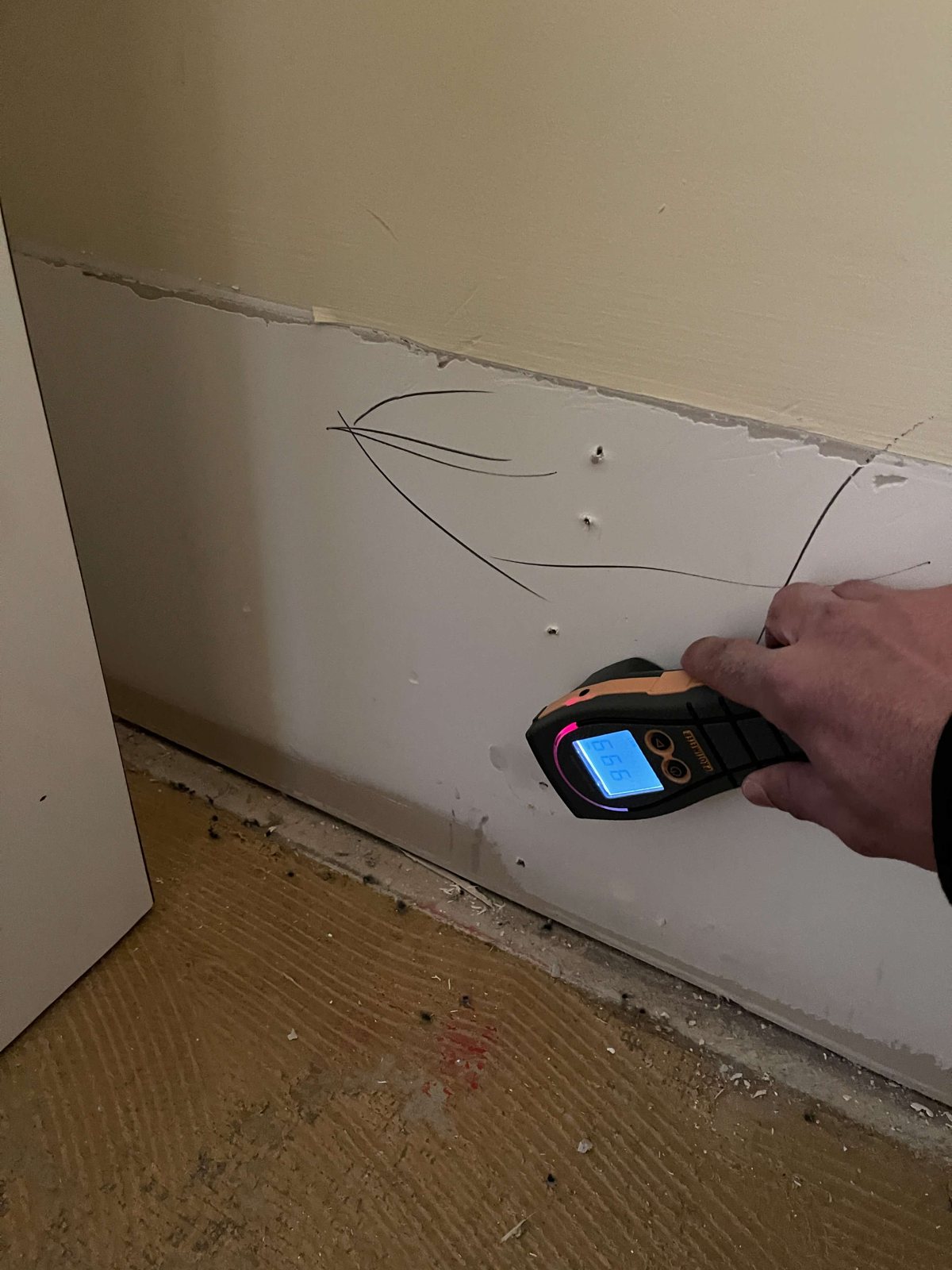
Water does not stay in one category. A washing machine overflow that sits in a warm basement for two or three days can support enough microbial growth to be handled as Category 3. Water that flows across a soiled floor, through a crawl space, or into a floor drain that is already backing up picks up contamination along the way.
- Time: Category 2 water left standing for more than a day or two is often treated as Category 3.
- Heat: warm basements and summer weather speed up microbial growth in standing water.
- Contact: water that runs across soil, pet areas, or a backing-up floor drain picks up contamination.
- Mixing: an appliance leak that combines with toilet or drain backflow is handled as Category 3 from the start.
How category combines with class, which measures how much water and evaporation load there is, is covered in water damage category and class. The practical lesson is that a fast response can keep a Category 2 loss from turning into a bigger one.
Sewage backup at a Westchester County, NY property? Bowerman Cleaning and Restoration answers 24/7.
What Stays and What Goes in Each Category?
Short answer: more can be cleaned and kept with Category 2; with Category 3, porous materials usually go.
| Material | Category 2 | Category 3 |
|---|---|---|
| Carpet | Often cleaned and dried if caught early | Usually removed |
| Carpet pad | Usually removed | Removed |
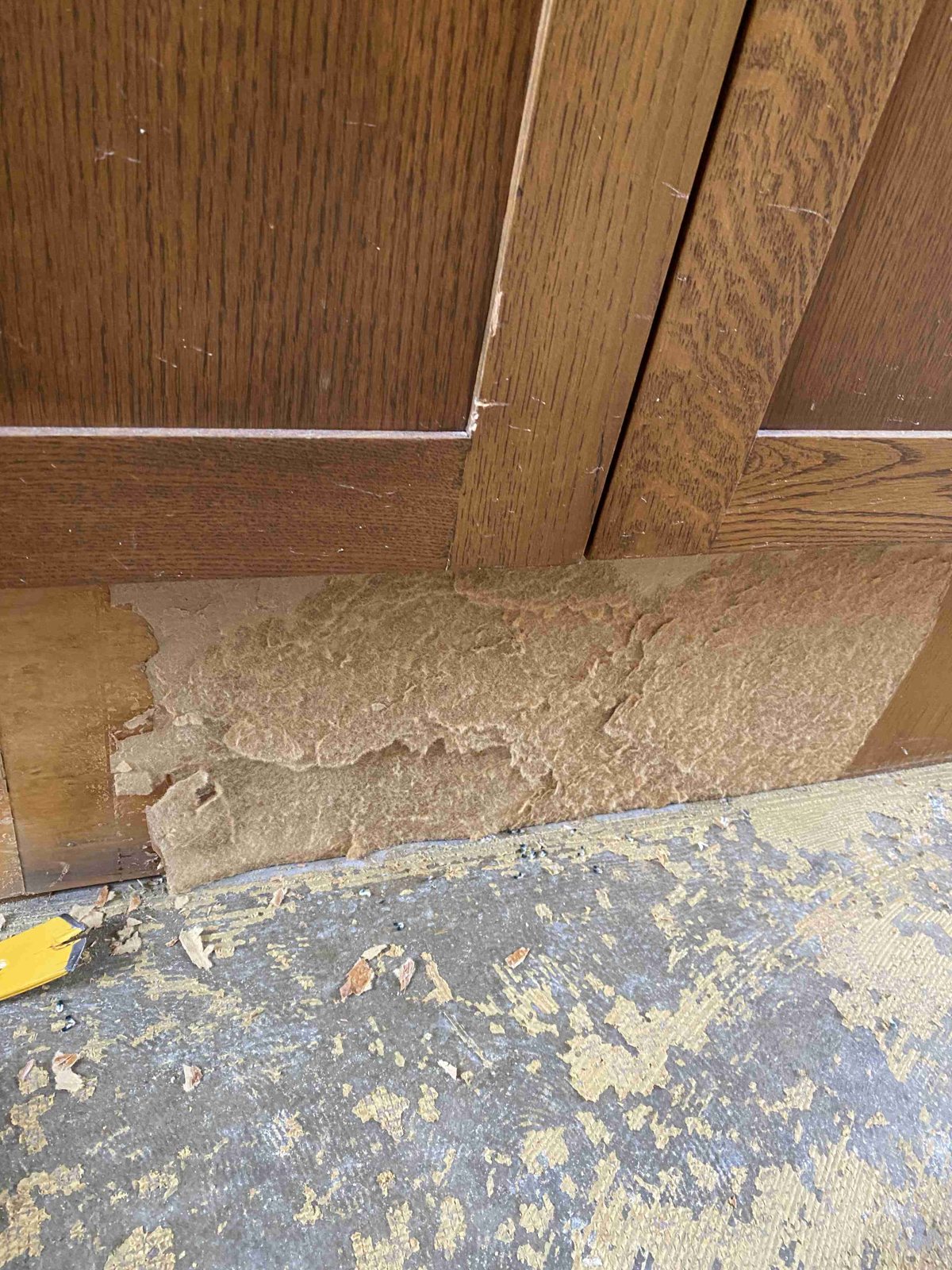
| Drywall | Can sometimes be dried; removed if wet long | Cut above the wet line and removed |
| Insulation | Often removed | Removed |
| Upholstered furniture | Case by case, professional cleaning | Usually discarded |
| Hard flooring and tile | Cleaned and dried | Cleaned, disinfected, and dried if sound |
The CDC cleanup guidance recommends removing drywall and insulation contaminated with sewage or floodwater. For clean-water losses, the live list of salvageable items after water damage shows how much more can usually be saved.
Who Decides the Water Category?
Short answer: the restoration crew on site, based on the source, the time it sat, and what it touched, recorded for the insurer.
The category is set during the first inspection. The crew notes where the water came from, how long it has been there, and what it ran across, and records it with photos. That record matters because it explains to the adjuster why some materials were removed. The CDC also warns that floodwater may contain sewage, so rising water from outside is treated as Category 3.
Coverage questions are covered in water damage insurance coverage. When the water is Category 3, the sewage damage cleanup and restoration page outlines how removal, disinfection, and drying are handled.
Category 2 vs Category 3 Water FAQs
Is washing machine water Category 2 or 3?
Usually Category 2 at the start. If it sits for days or mixes with backflow from a floor drain, it can be treated as Category 3. The category 3 water damage guide covers this in more detail.
Is a toilet overflow always Category 3?
No. Clean tank water is often Category 1, urine-only overflow is Category 2, and overflow with feces is Category 3.
Can Category 2 carpet be saved?
Sometimes, if it is cleaned and dried quickly. The pad underneath is usually replaced.
Is sump pump water Category 2 or 3?
It depends on the source. Groundwater from a clean sump is often Category 2, but a pit that receives sewage or floodwater is Category 3.
Why does the category matter for insurance?
It explains why certain materials were removed instead of dried, which supports the scope on the claim.
Trying to sort out Category 2 vs Category 3 water in a Westchester NY property? Bowerman Restoration LLC d/b/a Bowerman Cleaning & Restoration, 7 Intervale Street, White Plains, NY 10606, answers 24/7 at (844) 269-3762.