
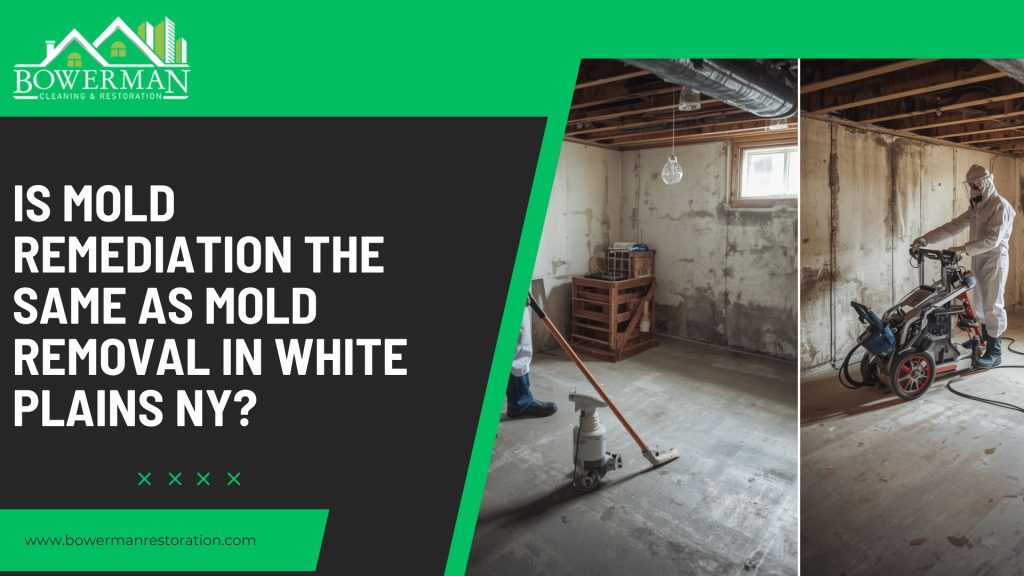

When homeowners in White Plains, NY discover mold in their properties, they often encounter two terms that seem interchangeable but carry distinctly different meanings: mold remediation and mold removal. This confusion is understandable, as both processes address mold problems, yet they represent fundamentally different approaches to handling fungal contamination in residential and commercial properties.
The distinction between mold remediation and mold removal is more than semantic—it represents a critical difference in methodology, effectiveness, and long-term outcomes. While mold removal suggests the complete elimination of all mold from a property, mold remediation focuses on returning mold levels to natural, acceptable concentrations while addressing the underlying conditions that allowed the mold to flourish.
In White Plains, NY, where the humid climate and seasonal weather patterns create ideal conditions for mold growth, understanding this difference is particularly crucial. The region’s proximity to water bodies, combined with older housing stock and varying moisture levels throughout the year, makes properties especially susceptible to mold issues. Homeowners who choose the wrong approach may find themselves dealing with recurring problems, wasted money, and potentially compromised indoor air quality.
The misconception that mold can be completely removed from any environment stems from aggressive marketing tactics and a fundamental misunderstanding of how mold functions in nature. Mold spores are omnipresent in our environment—they exist naturally both indoors and outdoors. The goal isn’t to achieve a sterile, mold-free environment, which is neither possible nor necessary, but rather to control mold growth and maintain healthy indoor air quality.
Professional mold specialists in White Plains understand that effective mold management requires a comprehensive approach that addresses not just the visible mold growth, but also the moisture sources, air circulation patterns, and environmental conditions that allowed the problem to develop. This holistic approach is what distinguishes true mold remediation from simple mold removal attempts.
Key Takeaways
- Mold remediation and mold removal are fundamentally different approaches: Remediation focuses on returning mold levels to natural, safe concentrations while addressing root causes, whereas removal implies complete elimination, which is neither possible nor necessary in most environments.
- Complete mold removal is scientifically impossible: Mold spores exist naturally everywhere in our environment. The goal should be controlling growth and maintaining healthy indoor air quality, not achieving a sterile environment.
- White Plains’ climate creates unique challenges: The region’s humidity levels, seasonal weather patterns, and proximity to water sources make properties particularly susceptible to mold growth, requiring specialized local expertise.
- Remediation addresses underlying causes: Unlike simple removal attempts, proper remediation identifies and corrects moisture sources, ventilation issues, and environmental conditions that promote mold growth.
- Professional assessment is crucial: Determining whether a situation requires remediation involves understanding the extent of contamination, the types of mold present, and the specific conditions in your White Plains property.
- Long-term success requires comprehensive solutions: Effective mold management involves ongoing moisture control, proper ventilation, regular inspections, and understanding seasonal factors that affect indoor air quality.
- Cost considerations vary significantly: While initial remediation may seem more expensive than simple removal attempts, the long-term value includes preventing recurrence and protecting property values in the competitive White Plains real estate market.
Understanding the Fundamental Differences
The distinction between mold remediation and mold removal lies at the heart of effective mold management strategies. Mold removal, as the term suggests, implies the complete elimination of all mold from a given space. This approach often involves aggressive cleaning, the use of harsh chemicals, and attempts to create a completely mold-free environment. However, this goal is not only unrealistic but also unnecessary for maintaining healthy indoor air quality.
Mold remediation, on the other hand, represents a scientifically-based approach that acknowledges the natural presence of mold spores in all environments. The remediation process focuses on identifying the source of excess moisture that has allowed mold colonies to establish and grow beyond normal levels. Rather than attempting to eliminate every trace of mold, remediation works to restore the indoor environment to conditions where mold cannot thrive and multiply.
In White Plains, NY, where properties range from historic homes built in the early 1900s to modern constructions, the approach to mold management must be tailored to each structure’s unique characteristics. Older homes may have different ventilation systems, insulation materials, and moisture control challenges compared to newer constructions. A proper remediation approach takes these factors into account, developing customized solutions that address both immediate mold concerns and long-term prevention strategies.
The remediation process typically begins with a comprehensive assessment that goes far beyond simply identifying visible mold growth. Professional technicians examine air circulation patterns, humidity levels, potential moisture sources, and the overall building envelope to understand how environmental conditions have contributed to the mold problem. This thorough evaluation forms the foundation for developing an effective remediation strategy that addresses root causes rather than just symptoms.

The Science Behind Mold Growth and Control
Understanding the science of mold growth is essential for appreciating why remediation represents a more effective approach than attempted removal. Mold spores are microscopic reproductive units that float freely through the air, both indoors and outdoors. These spores are incredibly resilient and can remain dormant for extended periods until they encounter the right combination of moisture, nutrients, and temperature to begin growing.
When mold spores land on surfaces with adequate moisture content—typically above 60% relative humidity—they begin to germinate and form colonies. These colonies produce additional spores, creating a cycle of growth and reproduction that can quickly spread throughout a property if left unchecked. The key to controlling this process lies not in eliminating spores, which is impossible, but in controlling the environmental conditions that allow them to establish and thrive.
In White Plains, NY, several factors contribute to ideal mold growth conditions. The region experiences significant seasonal humidity variations, with summer months often bringing high moisture levels that can stress HVAC systems and create condensation issues. Additionally, the area’s precipitation patterns, including heavy spring rains and winter snow that melts into building foundations, can introduce moisture into properties through various pathways.
Professional mold remediation addresses these scientific realities by focusing on moisture control as the primary strategy for mold management. This approach recognizes that by eliminating excess moisture, mold colonies will naturally die off and new growth will be prevented. The process involves identifying all moisture sources, from obvious leaks to subtle humidity issues, and implementing comprehensive solutions that address each contributing factor.
The remediation process also considers the different types of mold that may be present and their specific growth requirements. Some mold species thrive in consistently wet conditions, while others can grow with minimal moisture. Understanding these differences allows remediation professionals to develop targeted strategies that effectively address the specific mold issues present in each White Plains property.

Professional Remediation Process in White Plains
The professional mold remediation process in White Plains follows established industry protocols while adapting to local environmental conditions and building characteristics. The process begins with containment procedures designed to prevent the spread of mold spores to unaffected areas of the property. This step is crucial because disturbing mold colonies during cleanup can release thousands of spores into the air, potentially contaminating previously clean areas.
Containment typically involves sealing off the affected area using plastic sheeting and creating negative air pressure to ensure that any airborne spores are captured by filtration systems rather than spreading throughout the home. Professional-grade HEPA filtration equipment runs continuously during the remediation process, removing mold spores and other contaminants from the air.
The actual remediation work focuses on removing materials that cannot be effectively cleaned and treating surfaces that can be restored. Porous materials like drywall, insulation, and carpeting that have been heavily contaminated are typically removed and disposed of according to local regulations. Non-porous surfaces such as metal, glass, and hard plastics can often be cleaned and disinfected using appropriate antimicrobial treatments.
Throughout the remediation process, moisture control remains the primary focus. This may involve repairing leaks, improving ventilation, installing dehumidification systems, or modifying building structures to prevent future moisture intrusion. In White Plains properties, common moisture control measures include upgrading basement waterproofing, improving attic ventilation, and ensuring proper drainage around building foundations.
The final phase of professional remediation involves verification testing to ensure that the work has been successful. Air sampling and surface testing confirm that mold levels have been reduced to acceptable concentrations and that the environmental conditions no longer support excessive mold growth. This testing provides objective evidence that the remediation has achieved its goals and helps establish a baseline for future monitoring.
Why Complete Mold Removal is Impossible
The concept of complete mold removal is fundamentally flawed because it contradicts basic principles of environmental science and microbiology. Mold spores are ubiquitous in nature, serving important ecological functions in the decomposition of organic matter. They are present in outdoor air at concentrations that vary based on weather conditions, seasonal factors, and local environmental characteristics. These same spores naturally enter indoor environments through normal air exchange, making it impossible to maintain a completely mold-free indoor space.
Even in controlled laboratory environments with sophisticated filtration systems, maintaining truly sterile conditions requires constant effort and specialized equipment that would be impractical and unnecessary in residential settings. The human immune system is well-adapted to handle normal levels of mold exposure, and problems typically arise only when concentrations become elevated due to moisture issues that allow colonies to establish and multiply indoors.
Companies that promise complete mold removal often employ aggressive tactics that may actually worsen the situation. Disturbing mold colonies without proper containment can release massive quantities of spores into the air, spreading contamination to previously unaffected areas. Additionally, the use of harsh chemicals in attempts to kill all mold can create indoor air quality issues and may not address the underlying moisture problems that allowed the mold to grow initially.
In White Plains, NY, where natural outdoor mold levels fluctuate seasonally, the goal should be maintaining indoor mold concentrations at or below outdoor levels. This approach recognizes that some mold presence is normal and focuses efforts on preventing the environmental conditions that allow problematic growth. Professional remediation achieves this goal through comprehensive moisture management and environmental controls rather than futile attempts at complete elimination.
Understanding this reality helps homeowners make informed decisions about mold management strategies. Rather than seeking impossible guarantees of complete removal, property owners can focus on working with professionals who understand the science of mold control and can implement effective, long-term solutions that maintain healthy indoor environments while addressing the root causes of mold problems.
Choosing the Right Approach for Your White Plains Property
Selecting between mold remediation and attempted mold removal requires understanding your specific situation, the extent of contamination, and your long-term goals for the property. In White Plains, NY, where property values are significant and the real estate market is competitive, making the right choice can have substantial financial implications beyond the immediate health and safety concerns.
Several factors should influence your decision-making process. The extent of mold growth is a primary consideration—small, localized areas of surface mold may be addressed with targeted cleaning and moisture control, while extensive contamination affecting building materials requires comprehensive remediation. The type of mold present also matters, as some species pose greater health risks and require more aggressive intervention strategies.
The age and construction characteristics of your White Plains property play important roles in determining the most effective approach. Historic homes may have unique challenges related to original building materials, settling patterns, and outdated moisture control systems. Modern constructions might face different issues related to energy efficiency measures that have reduced natural air exchange, potentially creating conditions that trap moisture and promote mold growth.
Professional assessment by qualified mold remediation specialists provides the objective analysis needed to make informed decisions. These professionals can evaluate the scope of contamination, identify contributing factors, and recommend appropriate interventions based on industry standards and local conditions. Companies like Bowerman bring specialized expertise in dealing with White Plains properties and understand the unique environmental factors that affect mold growth in the region.
Cost considerations should include both immediate expenses and long-term value. While professional remediation may require a larger initial investment compared to simple cleaning attempts, the comprehensive approach typically prevents recurrence and protects property values. Additionally, proper remediation often includes warranties or guarantees that provide peace of mind and protection against future problems, making it a more cost-effective choice over time.
Frequently Asked Questions
What is the main difference between mold remediation and mold removal?
Mold remediation focuses on returning mold levels to natural, safe concentrations while addressing the underlying moisture issues that caused the problem. Mold removal implies complete elimination, which is neither possible nor necessary since mold spores exist naturally in all environments.
How long does mold remediation typically take in White Plains homes?
The duration depends on the extent of contamination and the size of the affected area. Small projects may take 1-3 days, while extensive remediation can require a week or more. The timeline includes assessment, containment, cleanup, moisture control improvements, and verification testing.
Can I handle mold problems myself instead of hiring professionals?
Small areas of surface mold (less than 10 square feet) may be manageable with proper precautions, but larger contamination requires professional intervention. DIY attempts often spread spores to unaffected areas and fail to address underlying moisture issues.
How do I know if my White Plains property needs mold remediation?
Signs include visible mold growth, musty odors, water damage history, unexplained health symptoms, and elevated humidity levels. Professional assessment can determine the extent of contamination and recommend appropriate action.
What should I expect to pay for mold remediation in White Plains?
Costs vary based on the scope of work, ranging from $500-$1,500 for small projects to $10,000 or more for extensive remediation. Factors include the affected area size, materials requiring removal, and necessary moisture control improvements.
Will mold come back after remediation?
Proper remediation that addresses moisture sources significantly reduces the likelihood of recurrence. However, new moisture problems can create conditions for future mold growth, making ongoing maintenance and monitoring important.
How can I prevent mold problems in my White Plains home?
Maintain indoor humidity below 60%, ensure proper ventilation, address water leaks promptly, improve drainage around foundations, and conduct regular inspections of areas prone to moisture accumulation.
Is mold remediation covered by homeowners insurance?
Coverage varies by policy and the cause of the mold problem. Sudden water damage may be covered, but gradual moisture issues or maintenance-related problems typically are not. Review your policy and consult with your insurance provider for specific coverage details.
Conclusion
The distinction between mold remediation and mold removal represents more than a difference in terminology—it reflects fundamentally different approaches to managing mold issues in White Plains, NY properties. While mold removal promises the impossible goal of complete elimination, mold remediation offers a scientifically-based solution that addresses both immediate concerns and long-term prevention strategies.
Understanding that mold spores are naturally present in all environments helps homeowners set realistic expectations and focus on achievable goals. Professional mold remediation, as provided by experienced companies like Bowerman, recognizes these realities and develops comprehensive solutions that control moisture, improve indoor air quality, and prevent future problems.
For White Plains property owners, choosing remediation over attempted removal provides better value, more effective results, and greater peace of mind. The comprehensive approach addresses root causes rather than just symptoms, leading to lasting solutions that protect both health and property values. As the local climate and environmental conditions continue to present mold challenges, working with professionals who understand the science of mold control and the specific characteristics of White Plains properties becomes increasingly important for maintaining healthy, comfortable indoor environments.