
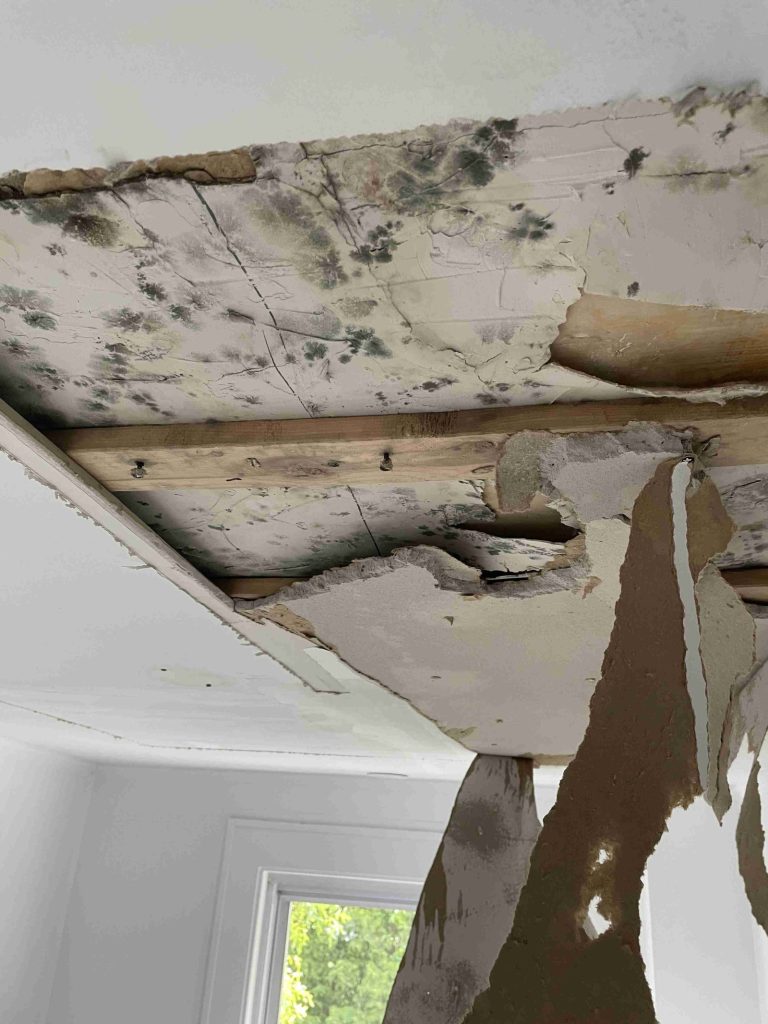
Mold growth causes almost always come back to moisture. Mold needs a damp surface, something it can grow on, and enough time. In NY homes, that moisture may be a burst pipe, a slow leak, a humid basement, a steamy bathroom, or condensation in an attic. The species name is a later question.
Written by the Bowerman Cleaning and Restoration Team · May 20, 2026
Key Takeaways
- The usual cause is moisture plus time, not a rare material or a single product failure.
- Leaks, floods, high humidity, and condensation are the common sources in NY houses.
- A room can look dry on the face and still have a wet cavity, which is enough to support growth.
- Color of the growth does not identify the cause, and it does not identify the species.
In This Guide
- What Conditions Actually Cause Mold to Grow?
- What Are the Common Moisture Sources in NY Homes?
- What Does Not, by Itself, Cause a Mold Problem?
- Why Are Older NY Homes Often Involved?
- Mold Growth Causes FAQs
What Conditions Actually Cause Mold to Grow?
Short answer: a damp surface, a material it can colonize, and time; indoor temperature in a lived-in NY home is usually already in a workable range. Spores are common. What they need is moisture that lasts.
The EPA brief guide treats moisture as the factor you can actually control. Paper-faced drywall, dust on a joist, insulation, and even dust on a cold pipe can serve as a surface. Once that surface stays damp, growth can begin. The EPA notes that this can happen within 24 to 48 hours on damp materials, which is a possibility, not a fixed appointment.
That is why water damage causes and mold causes overlap so often. The water event is the starting point. The mold problem is what can follow if the materials stay wet.
What Are the Common Moisture Sources in NY Homes?
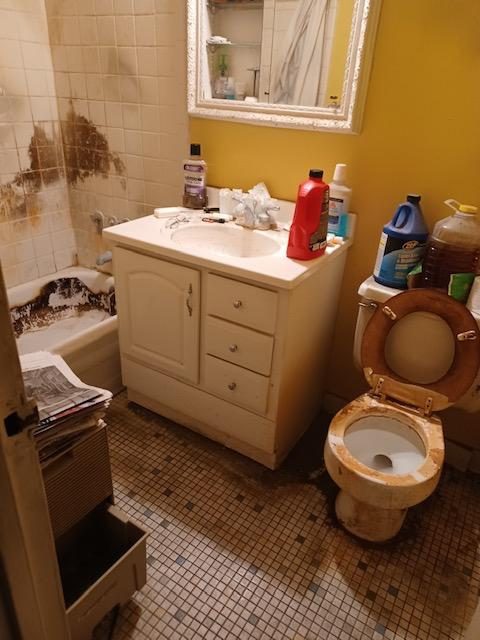
Short answer: plumbing and roof leaks, floods and backups, humid basements, bath steam, and condensation in cold spaces. More than one source can be active in the same house.
| Moisture source | Where it often shows up | What to look for |
|---|---|---|
| Plumbing leaks | Under sinks, behind vanities, around tubs and supply lines | Soft cabinets, stained baseboards, a lower-wall line of growth |
| Roof leaks and ice dams | Attic insulation, ceiling stains, eaves | Wet decking, damp insulation, growth on the underside of the roof |
| Floods or heavy seepage | Basements and ground-level rooms | Wetted finishes after a storm or a rising water event |
| Sewer or sump backup | Basement floors, lower walls, drains | Contaminated water plus later growth if the area stays damp |
| Everyday humidity and steam | Bathrooms, kitchens, tight closets | Peeling paint, musty cabinets, growth in corners with poor air flow |
| Condensation | Cold attic corners, crawl spaces, pipes | Damp sheathing, sweating pipes, growth on the cold side of a wall |
Hidden water damage signs are often the first clue that one of these sources has been active longer than it appeared.
What Does Not, by Itself, Cause a Mold Problem?
Short answer: a species name, the color of a stain, or a single dusty surface that is actually dry. These details get a lot of attention, but they do not replace a moisture finding.
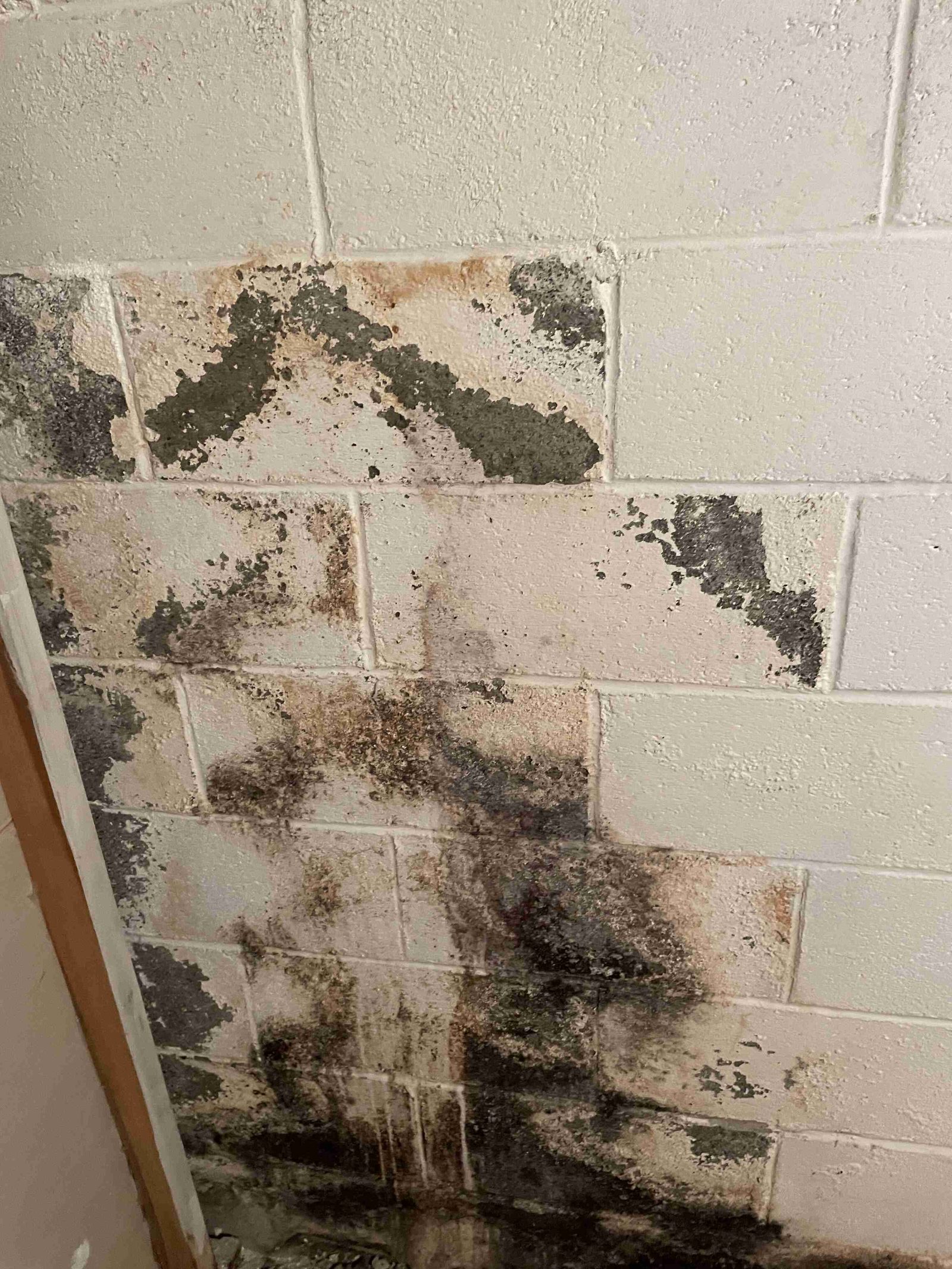
People often treat “black mold” or a guessed species as the cause. Color is a poor identifier, and a species name, even when it is later confirmed by a lab, does not explain why the material was wet. In New York, if sampling is needed, an independent mold assessor or industrial hygienist handles it. A remediation contractor should not perform that official testing on the same project.
A dry, dusty surface is also not the same problem as a damp one. Cleaning dust is housekeeping. Remediation is for growth tied to moisture. What mold remediation is keeps that line clear. Professional mold remediation services are aimed at that moisture-related growth, not at ordinary household dust.
Questions about a mold problem in Westchester County, NY? Bowerman Cleaning & Restoration answers 24/7.
Why Are Older NY Homes Often Involved?
Short answer: finished basements, aging plumbing, and cold attics give moisture more places to sit, especially in a humid summer or a freeze-and-thaw winter. Age alone does not cause mold. Unrepaired moisture does.
Westchester County, NY has many houses with basement rec rooms, older supply lines, and attics that were not detailed for today’s bathrooms and insulation levels. Those features do not create growth by themselves. They do make it easier for a leak or a condensation problem to stay hidden. Finding the source is still the first task, whether the house is fifty years old or five.
Mold Growth Causes FAQs
Does dirty air cause mold in a house?
Ordinary indoor dust can be a surface that mold grows on if it is damp. Dry dust alone is not the usual cause. Moisture is.
Can mold grow without a flood or a burst pipe?
Yes. A slow leak, a humid basement, or bathroom steam that never leaves the room can be enough if materials stay damp.
Is the type of mold the cause of the problem?
No. The type, when it is identified at all, is a description of what grew. The cause is the moisture and the time the material stayed wet. Identification, if it is needed, is done by an independent assessor, not by guessing from color.
Can a houseplant or a wet sponge cause a larger mold problem?
A chronically wet item can support growth on itself. A whole-room or in-wall problem usually has a larger moisture source, such as a leak or high humidity.
If I fix the leak, will the mold stop on its own?
The conditions become less favorable once the material is actually dry. Existing growth on porous materials often still has to be removed or cleaned. Drying is necessary, but it may not finish the job by itself.
Have questions about mold growth causes in a Westchester NY home? Bowerman Restoration LLC d/b/a Bowerman Cleaning & Restoration, 7 Intervale Street, White Plains, NY 10606, answers 24/7 at (844) 269-3762.