
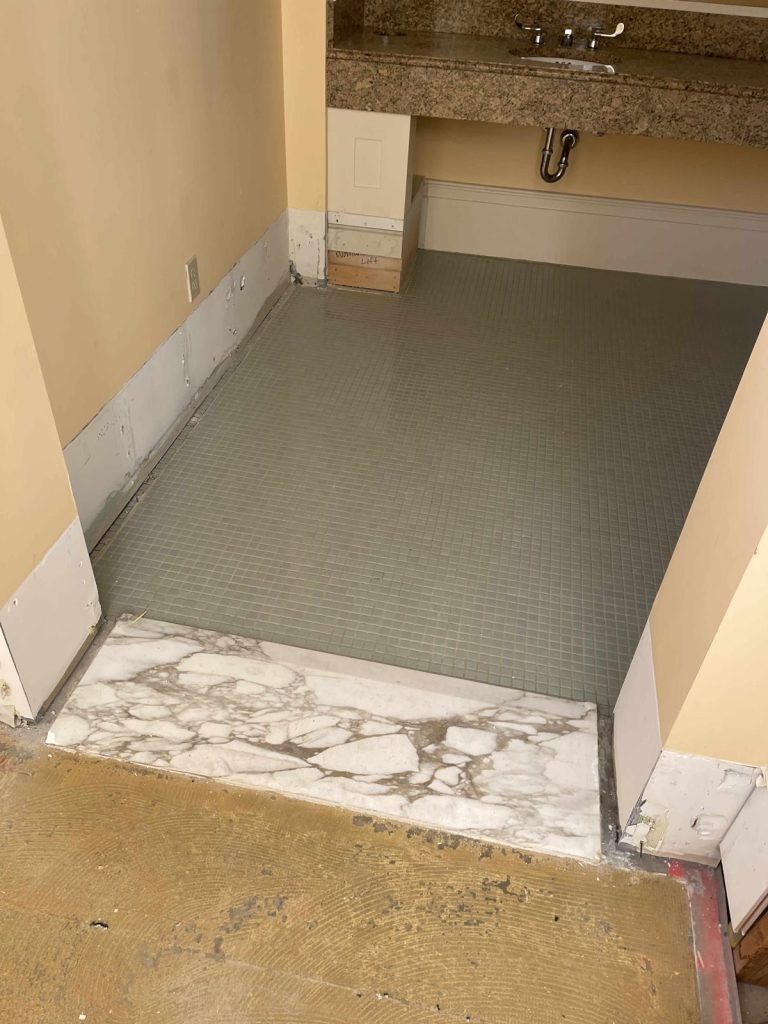
Common sewage backup warning signs in NY homes are gurgling drains or toilets, slow drains in several fixtures at once, water rising in a basement floor drain or shower when an upstairs fixture runs, and a sewer odor indoors or outside. These signs can show up days before wastewater actually comes into the house.
Written by the Bowerman Cleaning and Restoration Team · September 9, 2026
Key Takeaways
- Several slow drains at once usually point to the main line, not a single clogged fixture.
- Gurgling and bubbling mean air is being pushed back through a partly blocked line.
- Water in the lowest drain when another fixture runs is one of the clearest signs.
- Acting early with a camera inspection is far cheaper than cleaning up a backup.
In This Guide
- What Are the Early Warning Signs?
- Does One Slow Drain Mean a Sewer Problem?
- Why Do Signs Show Up During Heavy Rain?
- What Should Be Done When Warning Signs Appear?
- Sewage Backup Warning Signs FAQs
What Are the Early Warning Signs?
Short answer: gurgling, slow drains in more than one place, water in the lowest drain, and sewer odor.
| Sign | What it can mean | What to check |
|---|---|---|
| Gurgling toilet or drain | Air pushed back by a partial blockage | Whether it happens when other fixtures drain |
| Several slow drains | Blockage in the main line | Whether the lowest fixtures are slowest |
| Water in a floor drain or basement shower | Wastewater has nowhere else to go | Whether it rises when the washer or an upstairs toilet runs |
| Toilet water level changing | Pressure changes in the line | Whether it bubbles or drops on its own |
| Sewer odor | Gases escaping from a blocked or broken line | Floor drains, cleanouts, and the yard over the lateral |
| Soggy patches in the yard | A leak or break in the lateral | Wet spots or lusher grass along the line route |
The CDC lists slow sinks and toilets and overflowing floor drains among the signs that a septic system is not working, and the same signs apply to homes on public sewer. For signs of clean-water leaks, see hidden water damage signs. A full overview of the work is in what is sewage damage cleanup. The sewage backup causes guide covers this in more detail.
Does One Slow Drain Mean a Sewer Problem?
Short answer: usually not; one slow fixture is a local clog, while several at once point to the main line.
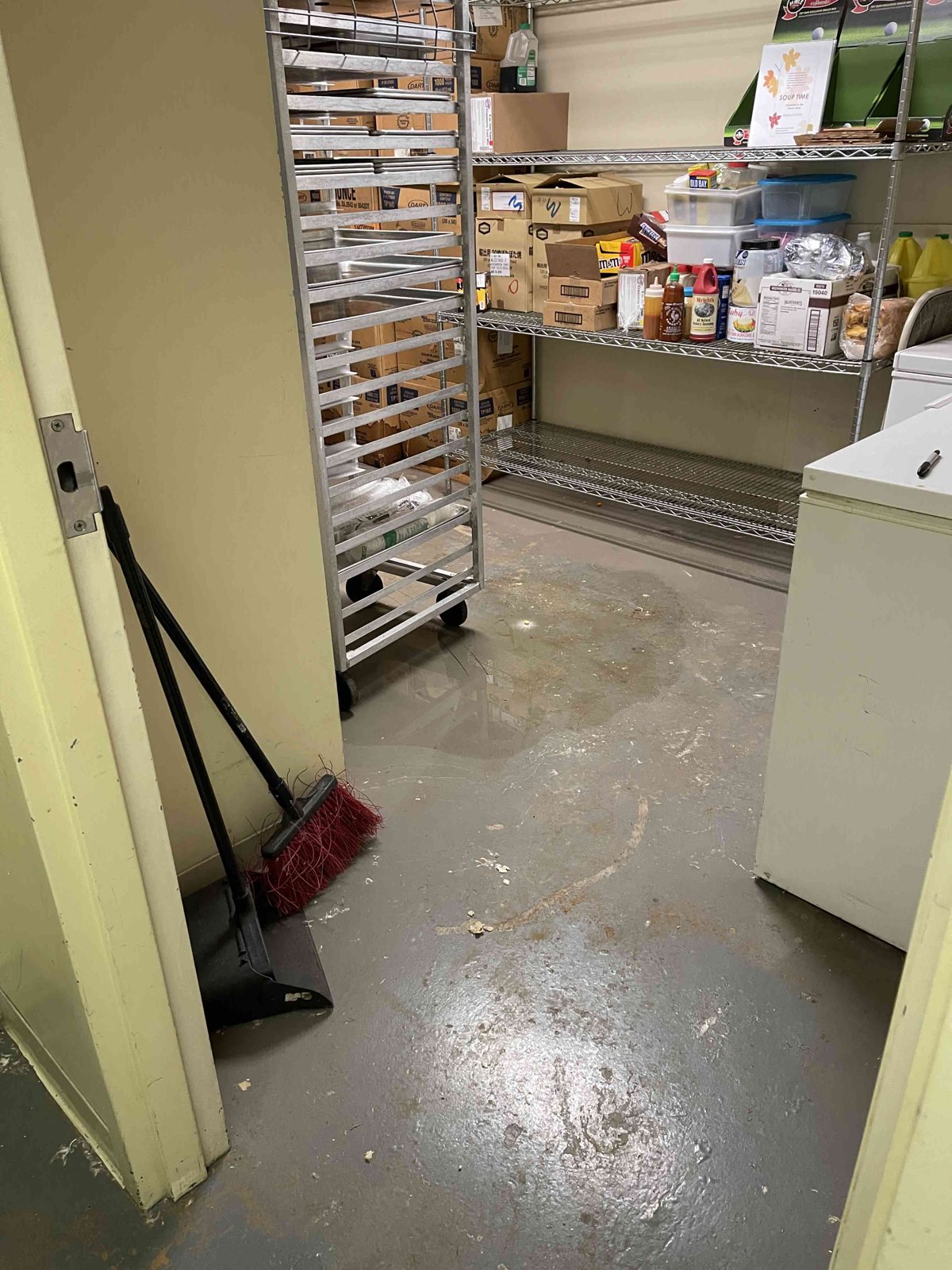
A slow bathroom sink with a hair clog is a branch problem. The warning sign that matters is a pattern: the tub drains slowly, the toilet gurgles when the washer empties, and the basement floor drain gets damp after showers. That pattern means water is backing up in the shared line, and the lowest opening in the house is where it will come out first.
Whether the blockage is in the house, the lateral, or the public sewer changes who repairs it. The live guide to water damage causes covers clean-water sources that can look similar, such as a leaking supply line. The sewage backup vs sewer line break guide covers this in more detail.
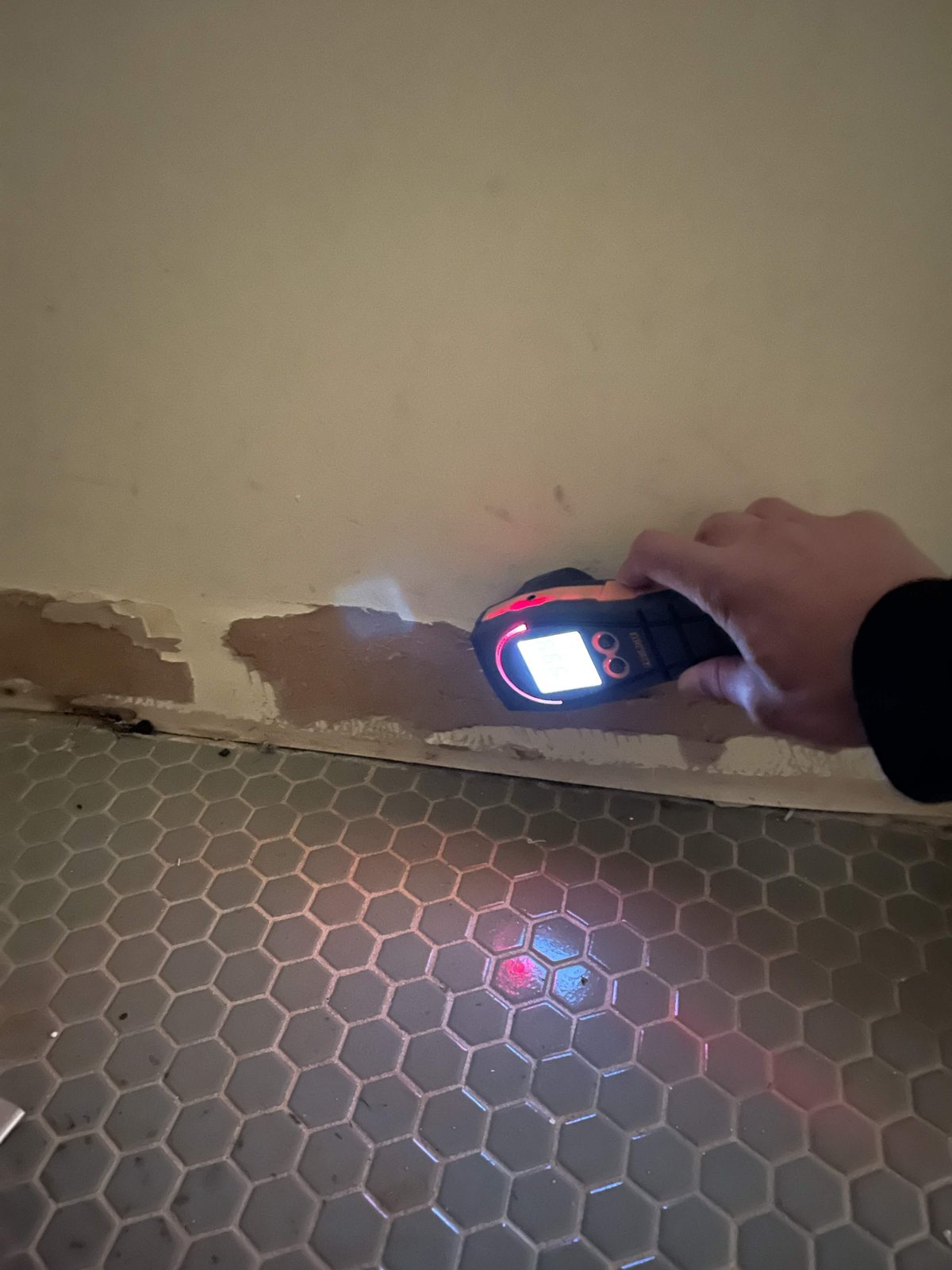
Sewage backup at a Westchester County, NY property? Bowerman Cleaning and Restoration answers 24/7.
Why Do Signs Show Up During Heavy Rain?
Short answer: rain can overload the public sewer and push water back toward the lowest drains in a building.
If drains only act up during storms, the public sewer may be surcharging, or rainwater may be entering a cracked lateral. The EPA explains how sanitary sewer overflows often follow heavy rain. A backwater valve on the house line can stop that reverse flow if it is installed and maintained.
Lower levels are where this shows first. The case study on basement flood restoration after heavy rain shows what happens when the warning signs are missed.
What Should Be Done When Warning Signs Appear?
Short answer: reduce water use, get the line inspected, and protect the lower level before a backup happens.
- Cut back on water use. Limit flushing, laundry, and dishwashing until the cause is found.
- Skip chemical drain openers on a main line. They rarely clear a main line clog and leave caustic water in the pipe for whoever opens it next.
- Call a plumber for a camera inspection. A sewer camera shows whether roots, grease, or a broken section is the cause.
- Check the backwater valve and cleanout. Make sure a backwater valve, if present, is not stuck, and that the cleanout cap is in place.
- Move valuables off the lower level. Lift boxes, electronics, and rugs off basement floors near drains.
- Review the policy. Check whether the homeowners policy includes a water backup endorsement.
Coverage for backup damage is often separate from standard water damage coverage, as explained in water damage insurance coverage. If wastewater does come in, the sewage damage cleanup and restoration page outlines how the area is cleaned, disinfected, and dried.
Sewage Backup Warning Signs FAQs
Why does the toilet gurgle when the washer drains?
The washer sends a lot of water into the line at once. If the main line is partly blocked, air and water push back through the nearest fixture, often a toilet.
Can a sewer smell mean a backup is coming?
It can. A sewer odor near drains, cleanouts, or the yard can mean a blocked or broken line, or a dry drain trap.
Do chemical drain cleaners fix main line clogs?
Rarely. Main line clogs from roots or grease usually need a plumber with a cable or jetter.
How quickly can warning signs turn into a backup?
Sometimes within days, especially during heavy rain or heavy household water use.
Is a backwater valve worth it?
For homes with basement fixtures or a history of rain-related backups, a properly installed and maintained backwater valve can prevent reverse flow.
Seeing sewage backup warning signs in a Westchester NY home? Bowerman Restoration LLC d/b/a Bowerman Cleaning & Restoration, 7 Intervale Street, White Plains, NY 10606, answers 24/7 at (844) 269-3762.