
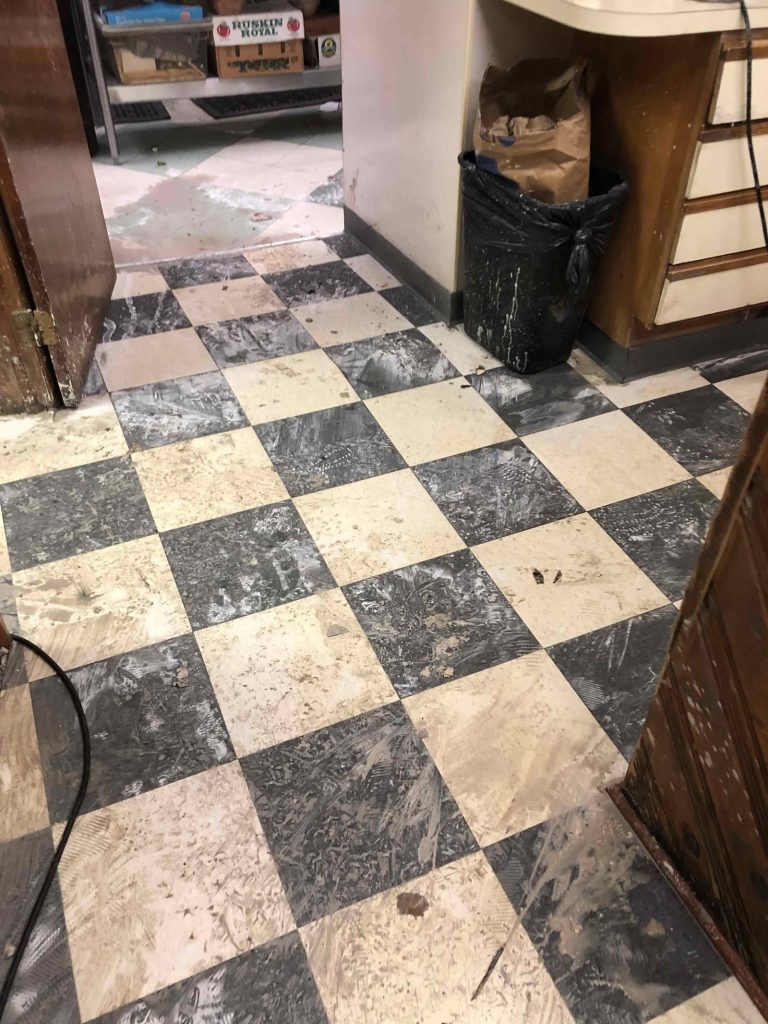
Smoke damage cleanup vs smoke odor removal are two steps, not the same job. In a NY home, cleanup means finding the smoke path and removing residue from surfaces, contents, and the air system. Odor removal follows once the source of the smell is reduced. A fragrance or fogger used alone can mask a problem still on the wall.
Written by the Bowerman Cleaning and Restoration Team · July 10, 2026
Key Takeaways
- Smoke damage cleanup removes the residue and follows the path the smoke took.
- Smoke odor removal treats remaining odor after that residue work, not instead of it.
- A spray or fogger used on a still-sooty room can hide the smell only for a while.
- Odor that returns often points to residue that was left in ducts, insulation, or contents.
In This Guide
- What Is the Difference Between Smoke Damage Cleanup and Smoke Odor Removal?
- Why Does Odor Work Come After Cleanup?
- When Are Both Steps Needed?
- Smoke Damage Cleanup vs Smoke Odor Removal FAQs
What Is the Difference Between Smoke Damage Cleanup and Smoke Odor Removal?
Short answer: cleanup removes the residue; odor removal treats what is left after that work. They belong in that order. Reversing them is a common reason a smell returns.
| Question | Smoke damage cleanup | Smoke odor removal |
|---|---|---|
| Main purpose | Find and remove residue along the smoke path | Reduce remaining odor after the source is reduced |
| Typical work | Surface and contents cleaning, ducts, and sometimes opening a finish | Targeted odor treatment of remaining affected materials |
| When it happens | After the site is safe and the path is mapped | After residue work, not as the first and only step |
| What it cannot replace | It cannot skip documentation or drying if water is present | It cannot replace cleaning a film that is still on the surface |
Smoke damage cleanup is the longer look at the first of those steps. Smoke damage vs soot damage explains the airborne and settled parts. What fire damage restoration is places both inside the larger job.
Why Does Odor Work Come After Cleanup?
Short answer: odor is produced by residue that is still in the building; removing the residue first gives odor treatment a chance to last. A pleasant scent in a sooty room is not the same as a completed cleanup.
If a smell returns when the heat or air conditioning comes on, the duct system is a common leftover source. Hidden fire damage covers those less obvious paths. The IICRC S700 standard treats odor as part of a condition-based plan, not as a separate spray.
Questions about fire or smoke damage in Westchester County, NY? Bowerman Cleaning and Restoration answers 24/7.
When Are Both Steps Needed?
Short answer: most of the time, whenever smoke reached rooms, contents, or the air system, not only when the odor is strong on day one. A faint smell can still point to residue that should be cleaned.
The fire damage restoration services page outlines that combined scope. Everyday pointers are also on the fire, smoke, and soot tips page.
A practical test is whether the smell returns when the heat or air conditioning is turned on, or when a closet is opened after a few days. That pattern usually points to a leftover source, not to a failed fragrance. The next step is to find that source and clean it, then repeat odor work only if it is still needed.
Soft goods can also keep a job in the both-steps category. Drapes, clothing, and upholstered furniture often hold odor after walls have been cleaned. Those items may be packed out, cleaned, or, if they cannot be saved, documented and discarded. Leaving them in a finished room can bring the smell back into a space that was otherwise ready.
If a bid is labeled only as odor removal, ask what residue cleaning is included first. If a bid is labeled only as cleanup, ask how remaining odor will be handled after the film is gone. The two labels should appear as a sequence, not as competing offers, on a complete plan for a Westchester County, NY home.
Smoke Damage Cleanup vs Smoke Odor Removal FAQs
Can an odor spray take the place of smoke cleanup?
No. A spray can mask a smell for a time, but residue that is still on surfaces or in ducts will usually bring the odor back.
Is ozone or fogging the same as cleanup?
Those are odor-treatment methods some contractors use after residue is addressed. They are not a substitute for finding and removing the film, and they should be discussed carefully around people, pets, and plants.
Why did the smell come back after a cleaning?
A common reason is residue left in ducts, insulation, closets, or soft goods. Another is moisture that was not fully dried. The next step is to find the leftover source.
Should odor removal be a separate line on a quote?
It helps. If a bid only says deodorize, ask what cleaning of surfaces, contents, and the air system is included first.
Does every smoke job need both steps?
Most jobs that have a noticeable odor need cleanup first, and many also need a later odor step. A very light film in one room may be resolved by cleaning alone, once the path has been checked.
Have questions about smoke damage cleanup vs smoke odor removal in a Westchester NY home? Bowerman Restoration LLC d/b/a Bowerman Cleaning & Restoration, 7 Intervale Street, White Plains, NY 10606, answers 24/7 at (844) 269-3762.