
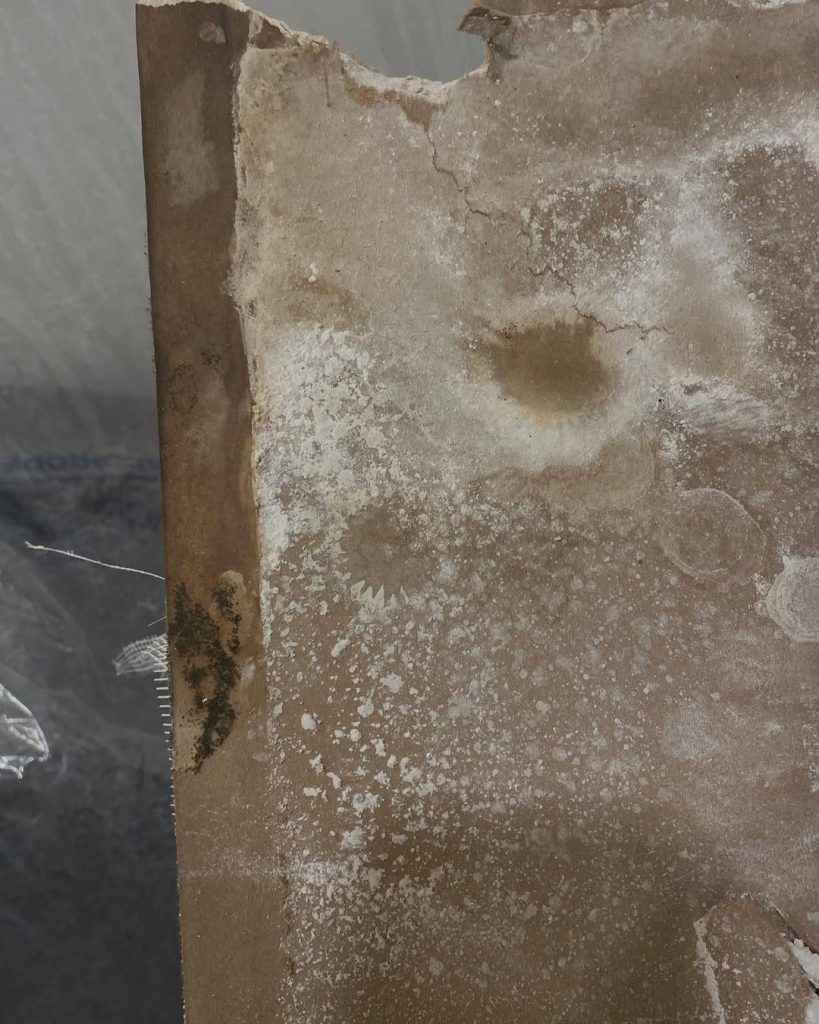
Types of household mold are often discussed by color or by a nickname, such as mildew or “black mold.” Those labels are not laboratory identifications. In a NY home, the useful facts are where the moisture is and how far the growth has spread. If a species name is actually needed, an independent mold assessor handles the sampling.
Written by the Bowerman Cleaning and Restoration Team · May 28, 2026
Key Takeaways
- Color and texture are poor identifiers. Many kinds of growth can look dark, green, white, or spotted.
- A species name, when one is needed, comes from laboratory analysis, not from a phone photo.
- Remediation decisions are usually based on moisture and extent, not on a guessed type.
- This article does not diagnose a species and does not make medical claims about any type.
In This Guide
- How Are Types of Household Mold Usually Named?
- What Informal Labels Do People Use?
- Does the Type Change How Remediation Is Done?
- When Does Identifying a Type Actually Help?
- Types of Household Mold FAQs
How Are Types of Household Mold Usually Named?
Short answer: everyday names describe how growth looks; a true type is a species identified in a lab. Mixing those two uses of the word type is how most confusion starts.
Homeowners and even some informal reports use type to mean a look: mildew on a window, dark spotting on drywall, or a powdery film on a foundation wall. Microbiologists use type to mean a species or group identified under controlled conditions. The first kind of label can help you describe what you see. It should not be treated as the second.
The EPA brief guide focuses on moisture and cleanup, not on homeowners identifying species by eye. What mold remediation is follows the same logic: find the source, define the extent, and handle the materials. A nickname does not replace that work. The step by step mold remediation process follows that same order, regardless of the nickname used for the growth. Everyday prevention notes are on the site’s mold tips page, and when to use professional mold remediation services helps mark when a formal scope is the better path. The mold removal and remediation services page outlines that formal scope.
What Informal Labels Do People Use?
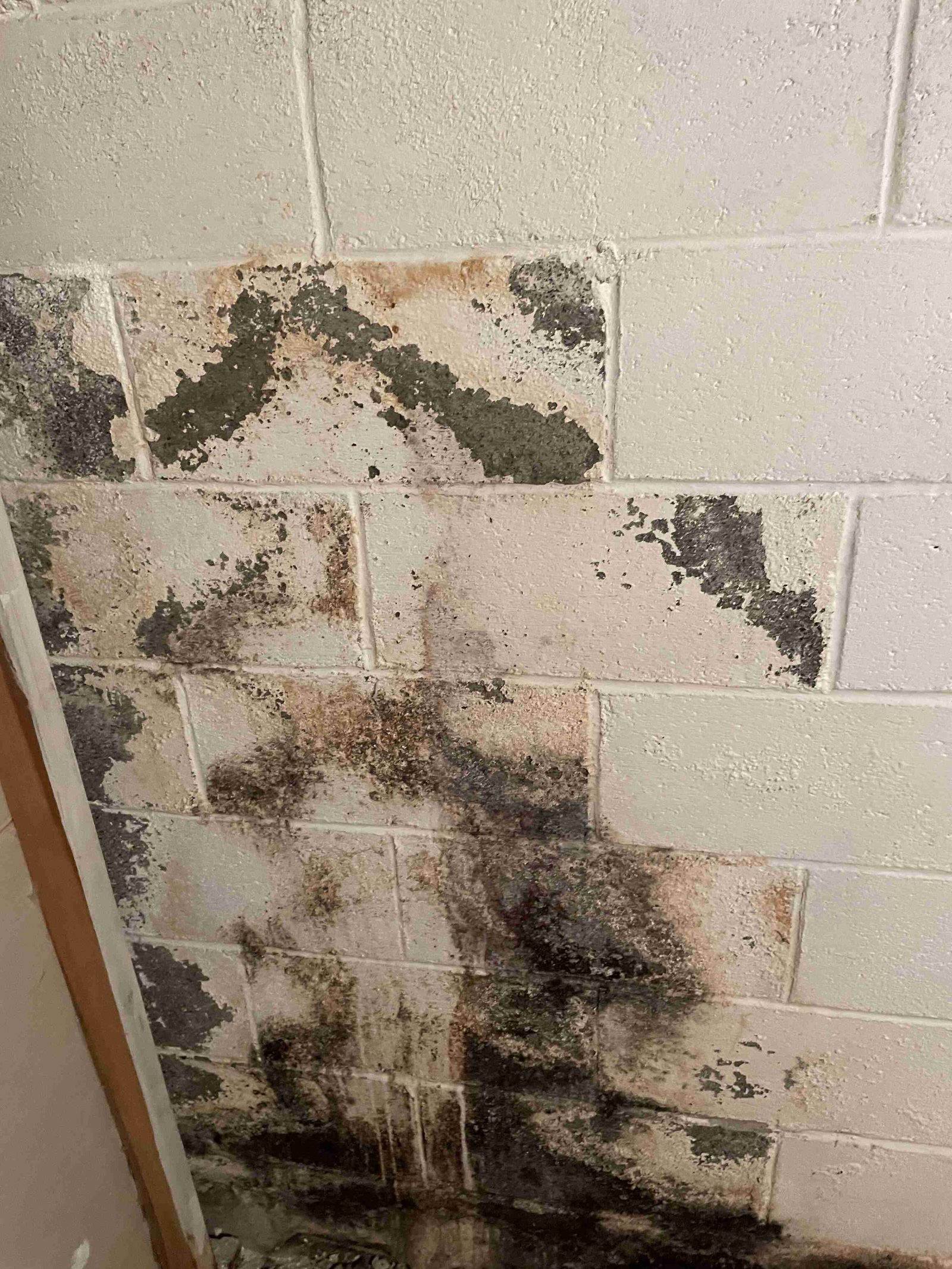
Short answer: mildew, “black mold,” and color words such as green or white, all of which can cover more than one kind of growth. These words are starting points for a description, not a diagnosis.
| Informal label | What people usually mean | What it does not tell you |
|---|---|---|
| Mildew | A lighter film, often on a window, shower, or fabric | Whether it is only on the surface, or whether a wall is wet behind it |
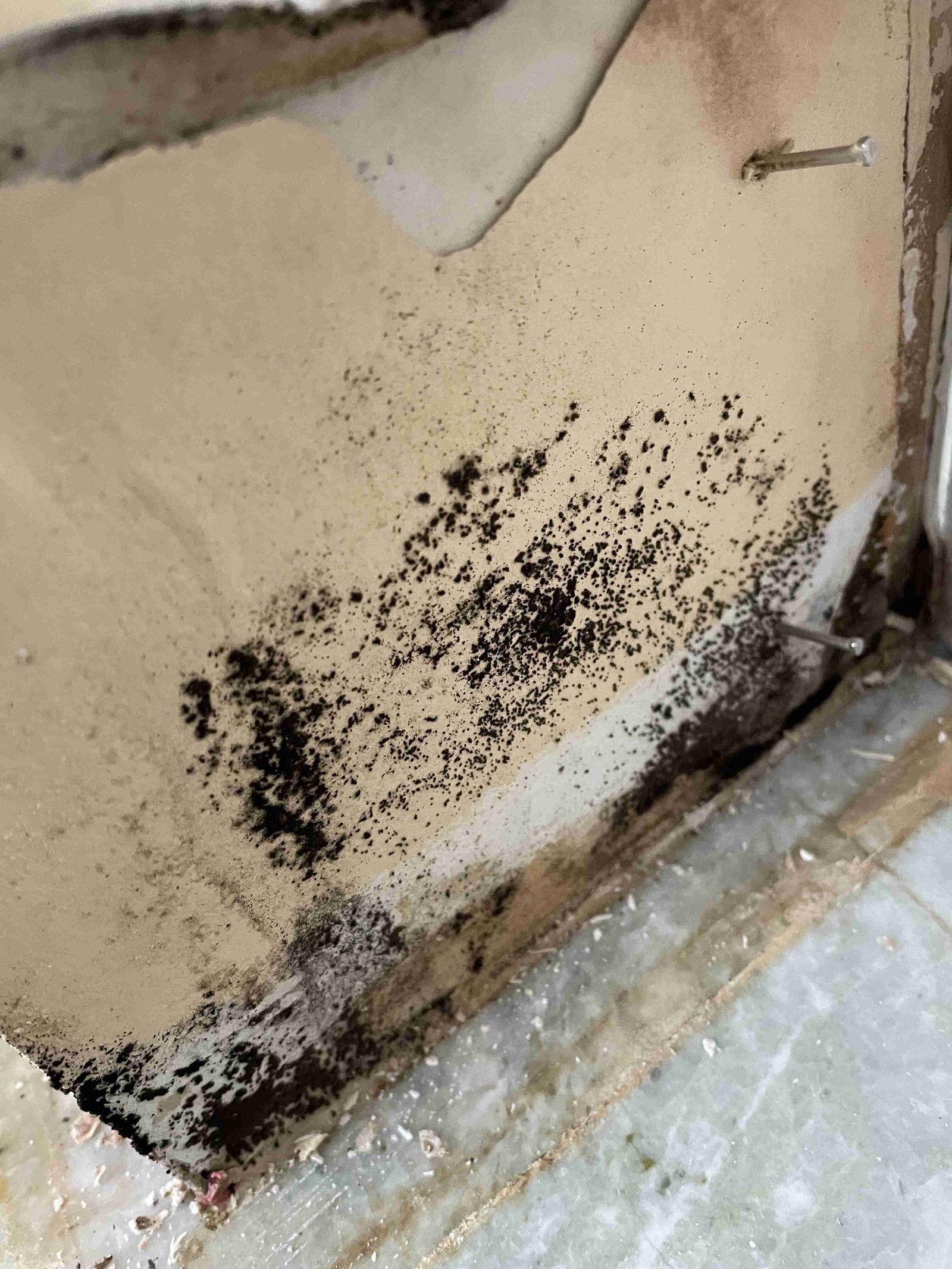
| “Black mold” | Any dark growth, sometimes assumed to be one famous species | The actual species, which cannot be read from color |
| Green or spotted growth | A visible patch on drywall, grout, or wood | The moisture source, or how far it extends into a cavity |
| Growth on masonry | Blotches or film on a basement wall | Whether the cause is seepage, humidity, or both |
One species that is sometimes called black mold is *Stachybotrys chartarum*, but many other organisms can also look dark. Naming that species from a photograph is not reliable. If identification is truly needed, sampling and laboratory analysis are the path, and in New York those steps belong to an independent mold assessor or industrial hygienist, not to the remediator on the same project.
Does the Type Change How Remediation Is Done?
Short answer: usually less than people expect; extent, materials, and moisture drive the scope more than a guessed name. A small surface film and a soaked wall cavity are different jobs even if they look the same color.
A written scope should say what will be contained, what will be removed or cleaned, and how dryness will be documented. Those decisions follow the size of the area and the kind of material, which is also the approach reflected in the IICRC S520 standard. A guessed type does not, by itself, justify skipping containment or leaving a wet cavity closed.
Questions about a mold problem in Westchester County, NY? Bowerman Cleaning & Restoration answers 24/7.
When Does Identifying a Type Actually Help?
Short answer: when a formal assessment calls for it, or when a third party such as an insurer or an advisor needs laboratory data. Sampling is a tool for the assessor, not a product the remediator should bundle with the cleanup on a NY project.
Many straightforward jobs can proceed from a visual assessment of extent and moisture, as described in a written scope. Sampling can be useful when the assessor needs more information, when hidden growth is in question, or when a later clearance review includes it. It is not a home kit diagnosis, and it is not medical advice. A doctor is the right source for health questions, regardless of any informal type name.
Types of Household Mold FAQs
Can a photo tell you what type of mold is in a house?
No. A photo can show that growth is present and where it is. It cannot reliably identify a species. Laboratory analysis, arranged by an independent assessor, is how a type is identified if that step is needed.
Is mildew different from mold?
In everyday speech, mildew often means a lighter surface film. Both words still describe fungal growth related to moisture. The practical questions remain the same: is the material wet, and how far has the growth gone?
Should every job start with species testing?
Not automatically. Many scopes are based on extent and moisture. When testing is part of a New York project, it should be done by an independent licensed mold assessor, not by the remediator.
Is one type always more serious than another?
This article does not rank types by health risk. Seriousness for the building is better judged by the amount of growth, the materials involved, and whether moisture is still present. Health questions belong with a doctor.
Does dark growth have to be handled differently from light growth?
The color is not the deciding fact. A large, hidden, or wet area needs a complete scope whether the patch looks dark or light.
Have questions about types of household mold in a Westchester NY home? Bowerman Restoration LLC d/b/a Bowerman Cleaning & Restoration, 7 Intervale Street, White Plains, NY 10606, answers 24/7 at (844) 269-3762.