
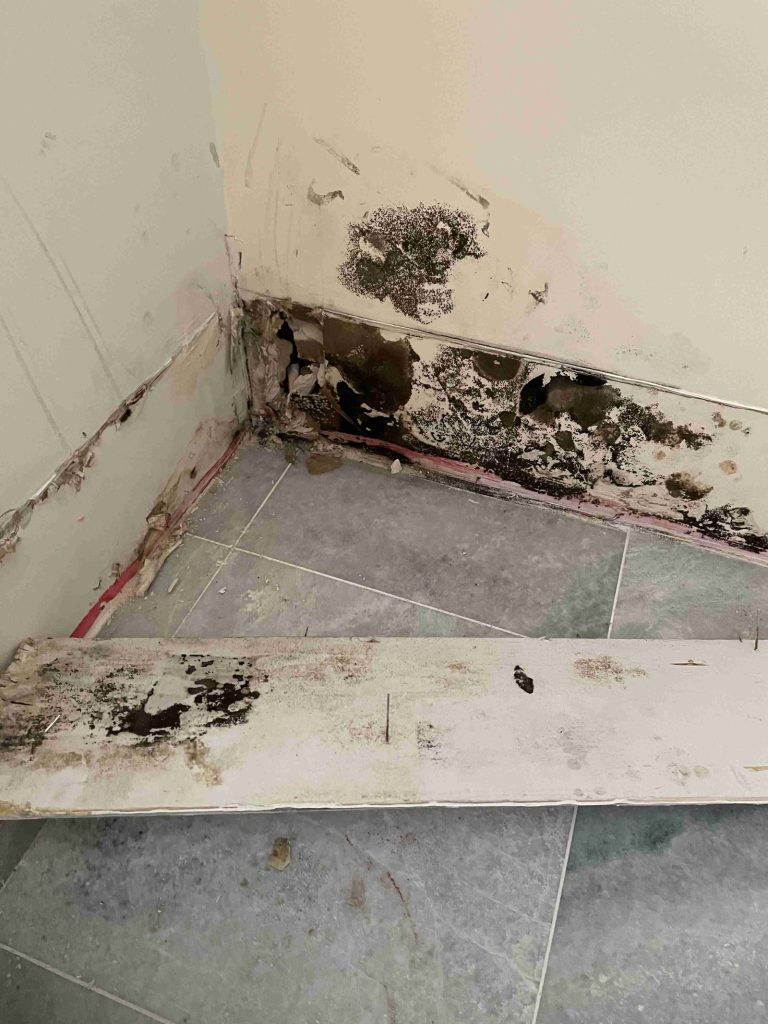
Mold growth after water damage can begin when materials stay damp. The EPA notes that mold can start to grow on damp surfaces within 24 to 48 hours, which is a possibility, not a promise that every wet wall will bloom on a clock. In NY homes, the usual defense is to stop the water and dry the structure promptly.
Written by the Bowerman Cleaning and Restoration Team · May 13, 2026
Key Takeaways
- Mold needs moisture, a surface it can grow on, and time. Removing the moisture is the main control.
- The EPA notes that growth can begin on damp surfaces within 24 to 48 hours. That is a window, not a guarantee.
- Dirty water, hidden wet cavities, and slow drying raise the chance that remediation will be needed after the leak.
- Drying and water cleanup come first. Mold work, if it is needed, follows a defined scope and, in NY, a separate assessment.
In This Guide
- How Quickly Can Mold Grow After Water Damage?
- What Raises the Chance of Mold After a Leak?
- What Should Be Done First After a Leak?
- What If Mold Is Already Visible After the Water Is Gone?
- Mold Growth After Water Damage FAQs
How Quickly Can Mold Grow After Water Damage?
Short answer: it can begin on damp surfaces within a day or two, but the real risk is material that stays wet, not a single missed hour. A wet house that is extracted and dried promptly is in a different position from one that stays damp for a week.
The EPA brief guide to mold and moisture states that mold can begin growing on damp surfaces within 24 to 48 hours. That statement is about favorable conditions. It is not a rule that every spill becomes a mold job by the second morning, and it is not a health diagnosis.
What matters is whether water is still in the material. A finished basement, a wall cavity, or carpet pad in a Westchester County, NY home can stay wet long after the floor looks better. That is the situation that most often leads from a leak to later mold work.
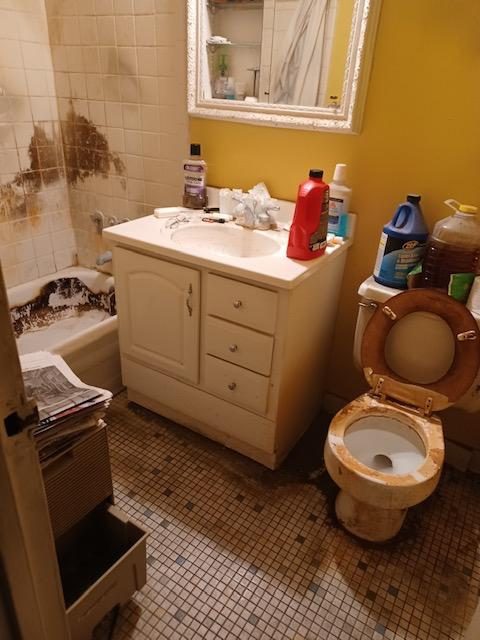
A full walkthrough of what water damage restoration is explains why extraction and measured drying come first. What happens if you don’t fix water damage covers the other path, when moisture is left in place.
What Raises the Chance of Mold After a Leak?
Short answer: lingering moisture, hidden wet materials, warm still air, and water that was already dirty. A clean pipe leak that is dried the same day is not the same problem as a backup that sat in a pad.
| Condition | Why it matters |
|---|---|
| Water left in a wall or pad | The material stays in the moisture range that can support growth |
| Dirty or sewage water | Contaminated water adds a cleanup problem on top of the moisture |
| Finished spaces | Baseboards, underlayment, and cavities hide damp areas |
| Warm, still rooms | Less air movement can keep surfaces damp longer |
| A leak that is still active | New water replaces anything that has started to dry |
Category of water, as used in water restoration, also matters. A sewage backup is a different starting point from a supply-line leak. See sewage damage cleanup when the water itself was contaminated.
What Should Be Done First After a Leak?
Short answer: stop the water, extract what can be removed, and dry the structure; then have hidden or visible growth evaluated. Mold work is not a substitute for drying, and drying is not a substitute for a later remediation scope if growth is already established.
- Stop the source. Shut the water, catch a roof leak, or address the backup so new moisture is not added.
- Extract standing water. Remove what can be vacuumed or pumped so drying can start.
- Open or remove wet finishes as needed. Wet carpet pad, swollen baseboards, or soaked drywall often have to come out so cavities can dry.
- Dry and document. Use air movement and dehumidification, and confirm dryness with readings rather than touch.
- Evaluate for mold if growth is present or suspected. In New York, an independent mold assessor typically defines any remediation scope. The company that dries or remediates the area should not also perform that official assessment on the same project.
The EPA’s flood cleanup guidance for indoor air is a useful companion after a larger intrusion. Everyday prevention notes are also on the site’s mold tips page.
Questions about a mold problem in Westchester County, NY? Bowerman Cleaning & Restoration answers 24/7.
What If Mold Is Already Visible After the Water Is Gone?
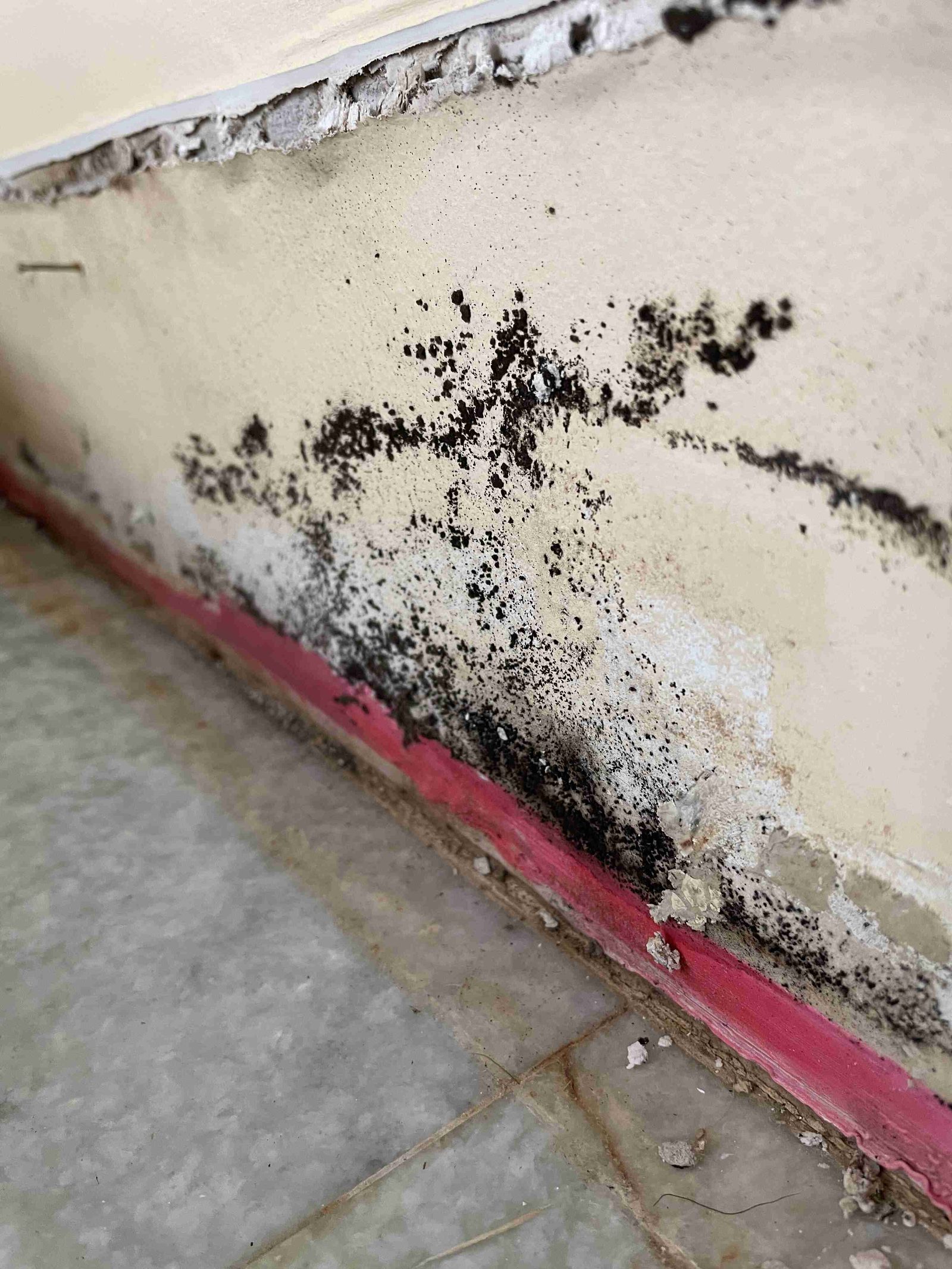
Short answer: drying should still be completed, and the growth should be scoped as a remediation issue, not only painted or wiped. A dry surface stain can still have growth behind it.
Once growth is visible, the job has two parts: the remaining moisture and the affected materials. Wiping or painting the stain does not finish either part. What mold remediation is describes the broader work, including containment and removal or cleaning of those materials. Professional mold remediation services may follow if growth is already established.
In NY, testing, if it is done, belongs to an independent mold assessor or industrial hygienist, not to the remediation contractor. Color of the growth is also not a species identification and is not a medical finding.
Mold Growth After Water Damage FAQs
Does mold always grow 24 to 48 hours after a leak?
No. The EPA notes that growth can begin in that window on damp surfaces. If materials are extracted and dried promptly, that risk drops. If they stay wet, the window stays open.
If the room looks dry, is the risk over?
Not necessarily. A dry face can hide a wet cavity, a damp plate, or wet insulation. Moisture readings, and opening a wall when readings or stains call for it, are more reliable than look and touch.
Is a water restoration job the same as mold remediation?
No. Water restoration focuses on extraction and drying. If mold is already established, a separate remediation scope may be needed. In New York, that scope typically comes from an independent assessor.
Can a dehumidifier alone prevent mold after a flood?
A dehumidifier helps only if water has been extracted and wet materials are open to the air. It cannot dry a closed, soaked wall by itself, and it does not remove growth that is already there.
Should the same company test for mold after drying?
In New York, the company that remediates a property should not also perform the official assessment or the testing on that project. Ask for an independent licensed mold assessor if sampling or a formal scope is needed.
Concerned about mold growth after water damage in a Westchester NY home? Bowerman Restoration LLC d/b/a Bowerman Cleaning & Restoration, 7 Intervale Street, White Plains, NY 10606, answers 24/7 at (844) 269-3762.