
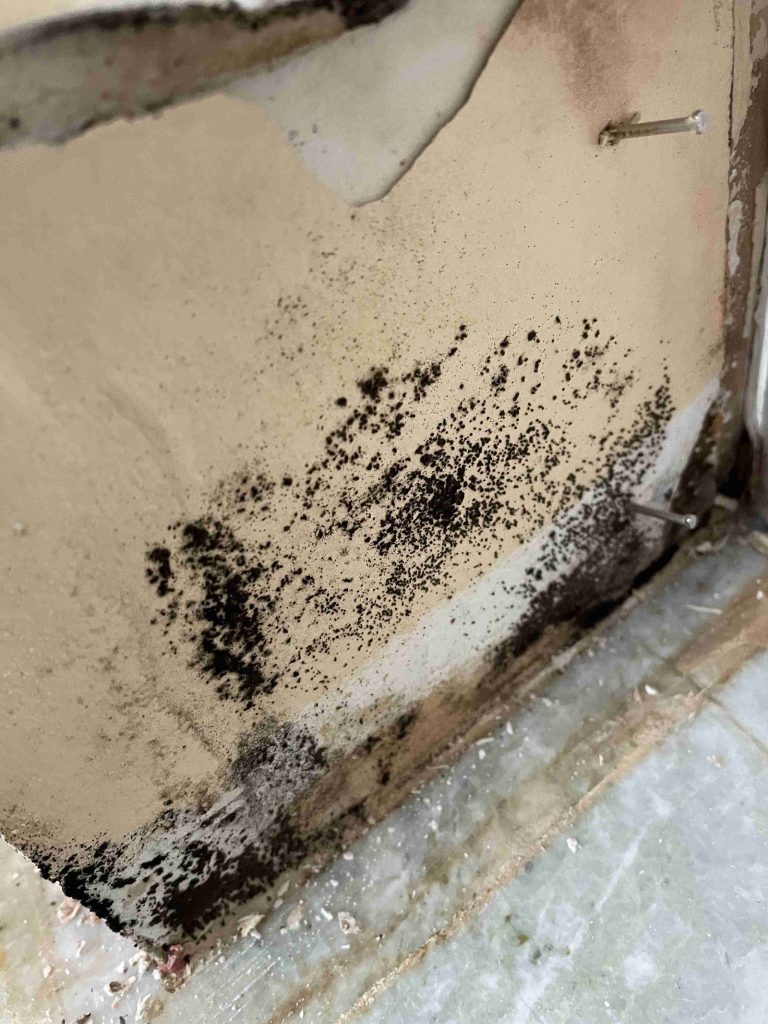
Mold remediation vs mold cleaning comes down to scope. Cleaning usually means wiping or treating a surface you can reach. Professional mold remediation services are that defined project: the moisture source, containment, removal or cleaning of affected materials, drying, and, in NY, a separate assessment. A wipe can work on a small, hard surface, but not as a substitute for remediation.
Written by the Bowerman Cleaning and Restoration Team · May 29, 2026
Key Takeaways
- Cleaning addresses a reachable surface. Remediation also addresses hidden growth, moisture, and drying.
- A cleaning visit with no containment and no moisture repair can leave the problem in the wall.
- In New York, remediation on a covered project starts with an independent assessor, not with a bundled cleaning quote.
- The right choice depends on the material and the extent, not on which word appears in an advertisement.
In This Guide
- What Is the Difference Between Mold Remediation and Mold Cleaning?
- When Can Cleaning Be Enough?
- When Does a Cleaning Visit Fall Short?
- How Does New York Treat a Cleaning Visit Versus Remediation?
- Mold Remediation vs Mold Cleaning FAQs
What Is the Difference Between Mold Remediation and Mold Cleaning?
Short answer: cleaning is a surface task; remediation is a project that includes source control, containment, and drying. One can be a small part of the other. They are not interchangeable names for the same visit.
| Point of comparison | Mold cleaning | Mold remediation |
|---|---|---|
| Typical goal | Wipe or treat a visible surface | Return the area to a clean, dry condition |
| Moisture source | Often left as a separate chore | Part of the plan, or coordinated with a repair |
| Hidden growth | Usually not opened up | Cavities are opened when the scope requires it |
| Containment | Rarely used for a simple wipe | Typically built before materials are disturbed |
| Follow-up in NY | Usually none | Independent post-remediation assessment on covered work |
This is a different comparison from whether mold remediation is the same as mold removal. Removal is about taking material out. Cleaning is about wiping what stays. Remediation can include either step, plus the work around them. What mold remediation is is the broader definition.
When Can Cleaning Be Enough?
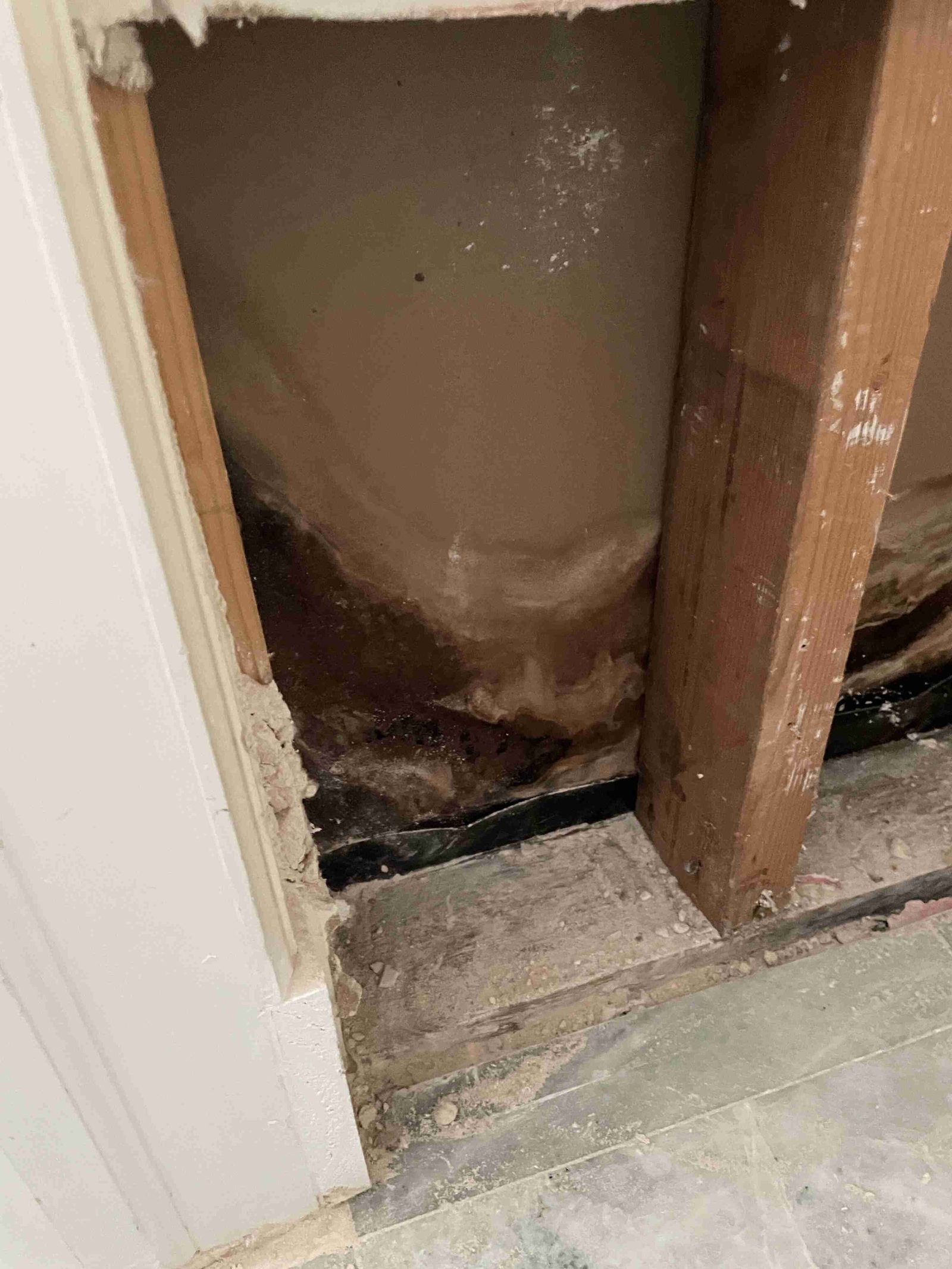
Short answer: when the growth is limited to a hard, non-porous surface and the moisture source is already under control. Tile, a tub surround, or a glass pane is a different material from drywall or insulation.
The EPA mold cleanup guidance discusses small cleanups on hard surfaces that a homeowner may handle with care. Soap, water, and drying can be appropriate on those surfaces after the leak or humidity problem is fixed. That advice does not extend automatically to paper-faced drywall, carpet pad, or wet insulation.
Notes on when to use professional mold remediation services help mark the other side of that line: larger areas, hidden growth, dirty water, or a problem that returned after a wipe-down.
When Does a Cleaning Visit Fall Short?
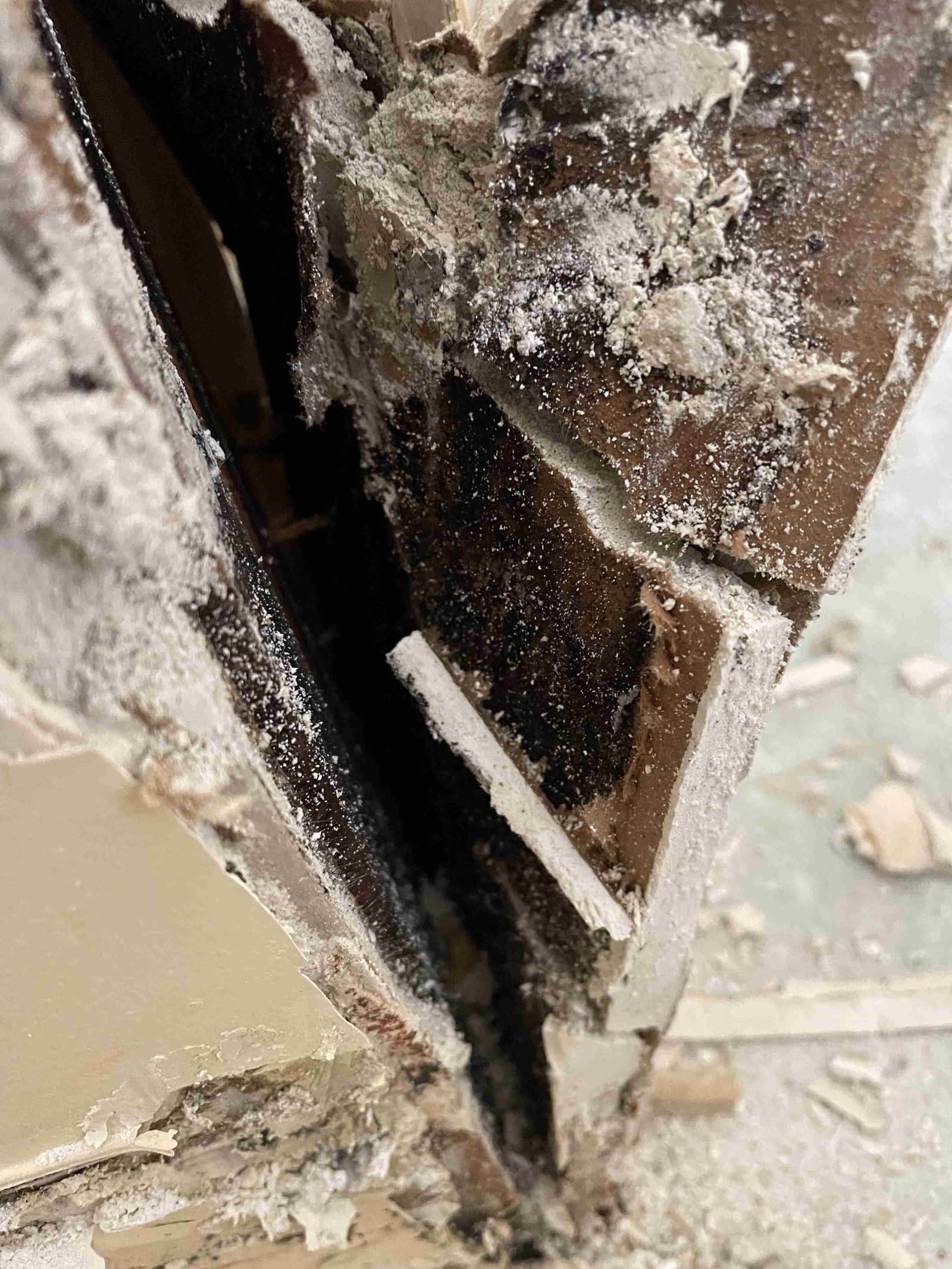
Short answer: when growth is in a cavity, on porous material, or fed by a leak that is still active. A fresh smell and a bright surface can hide a still-wet wall.
- The stain keeps returning in the same place after cleaning.
- The material is porous, such as drywall, wood framing that has stayed wet, or insulation.
- There is a musty odor but little to see on the painted face.
- The water involved was a backup or a long-standing leak.
- A previous paint job already hid part of the area.
Questions about a mold problem in Westchester County, NY? Bowerman Cleaning & Restoration answers 24/7.
How Does New York Treat a Cleaning Visit Versus Remediation?
Short answer: a casual wipe is not a substitute for a licensed remediation project, and official assessment still belongs to a separate company. Calling the visit cleaning does not change the rules if the work is actually remediation.
On a covered project, the NY Mold Program requires an independent mold assessment to define remediation work and does not allow the same company to assess and remediate the same property. A cleaning company that also offers to test the air and then “clean the mold” on that house is mixing roles that New York keeps separate. If the job is truly a small surface cleanup, that should be clear in writing. If it is remediation, the assessor-versus-remediator split applies.
Mold Remediation vs Mold Cleaning FAQs
Can a regular house cleaning service handle mold?
It can wipe a small, hard surface as part of ordinary cleaning. It is not a substitute for a remediation project when growth is in a wall, in insulation, or spread over a larger area.
Is mold cleaning cheaper than remediation?
A wipe-down usually costs less on the first invoice. If the moisture and the hidden growth are left in place, the next invoice can be larger than a complete scope would have been.
Does cleaning kill mold so remediation is unnecessary?
Cleaning can remove growth from some hard surfaces. It does not reliably treat porous materials, cavities, or an active leak. “Kill” language is also a poor guide, because leftover moisture can support new growth.
Who decides whether a job is cleaning or remediation in NY?
An independent licensed mold assessor typically defines a remediation scope on a covered project. A homeowner can still do a small, careful cleanup on a hard surface, but that is a different situation from a formal project.
Should I clean first and wait to see if I need remediation?
On a small, hard, already-dry surface, a careful cleanup can be a reasonable first step. On a wet wall, a cavity, or a large stain, waiting after a wipe can lose time that would have been better spent on a defined scope.
Trying to compare mold remediation vs mold cleaning for a Westchester NY home? Bowerman Restoration LLC d/b/a Bowerman Cleaning & Restoration, 7 Intervale Street, White Plains, NY 10606, answers 24/7 at (844) 269-3762.