
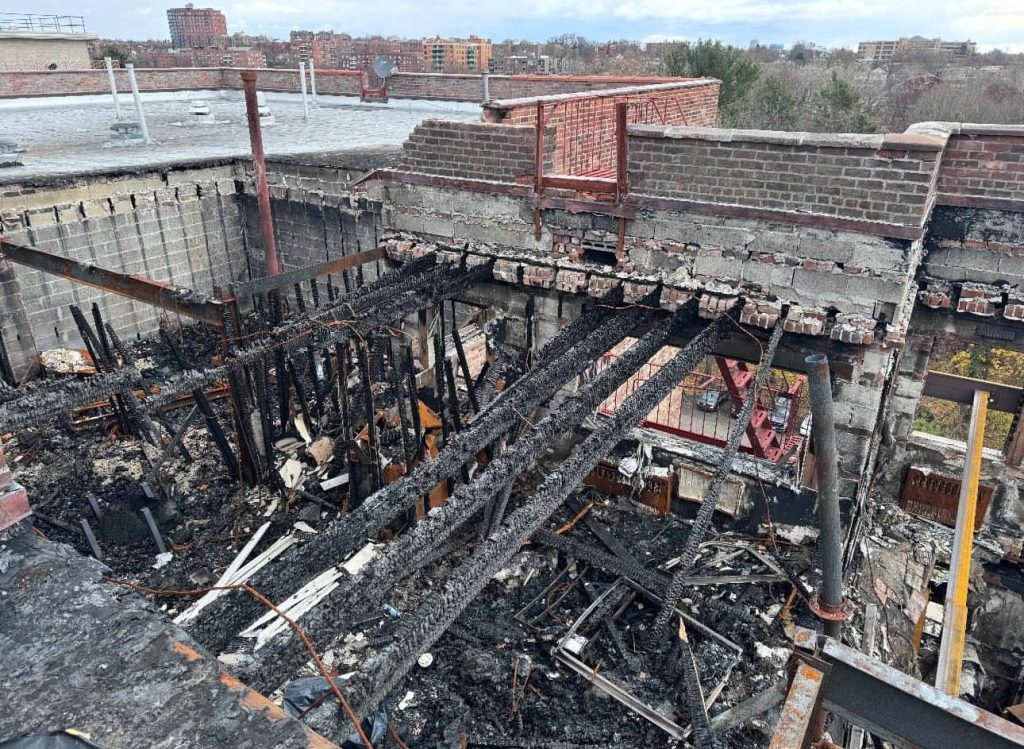
Types of fire damage in a NY home fall into a few groups: flame and heat, smoke, soot, and water from firefighting or broken fixtures. A single fire can leave all four in different rooms. Knowing which type is present in each area is what makes a cleanup plan accurate, instead of treating the whole house as one burned room.
Written by the Bowerman Cleaning and Restoration Team · June 24, 2026
Key Takeaways
- Flame and heat damage the materials that burned or were close enough to char, melt, or warp.
- Smoke and soot can travel far beyond the flames and often account for most of the affected area.
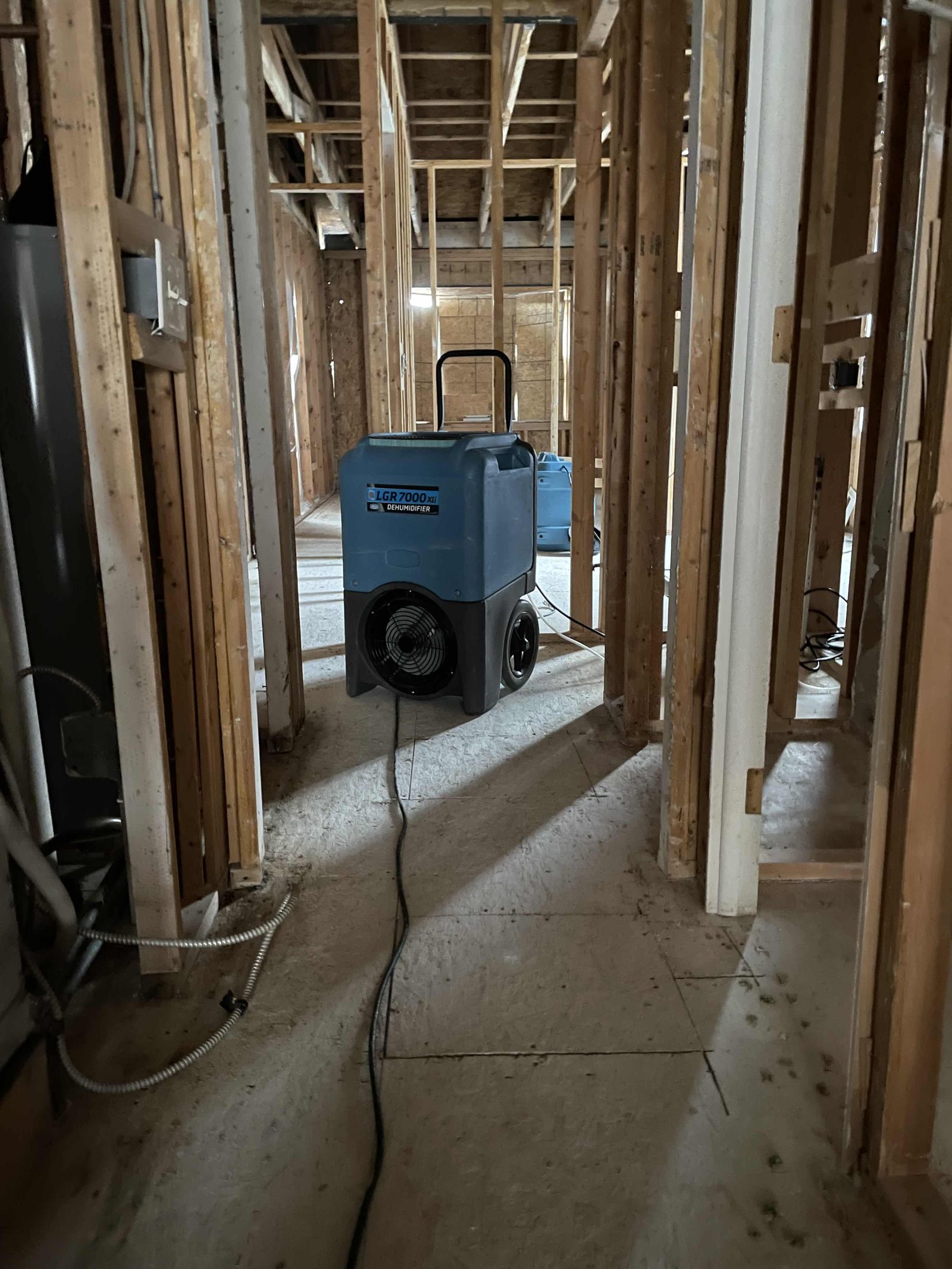
- Water from hoses, sprinklers, or melted pipes is a separate type of damage that still has to be dried.
- The mix of types, not only the size of the fire, decides how large the job will be.
In This Guide
- What Are the Main Types of Fire Damage?
- How Does the Source of the Fire Change the Damage?
- Why Does the Mix of Damage Types Matter?
- Types of Fire Damage FAQs
What Are the Main Types of Fire Damage?
Short answer: flame and heat, smoke, soot, and water, which can appear together in the same house. A repair plan that addresses only the charred room can miss the other three.
| Type | What it typically looks like | What the work usually addresses |
|---|---|---|
| Flame and heat | Charring, melting, warped materials, lost structure | Removal of destroyed materials and later rebuild |
| Smoke | Odor, discoloration, residue in far rooms and ducts | Finding the path and cleaning or replacing affected materials |
| Soot | A dry powder or a sticky film on surfaces | Careful removal so the film is not smeared in |
| Water | Wet floors, stained ceilings, soaked insulation | Extraction and measured drying, then repairs |
What fire damage restoration is is the work of dealing with this mix. The fire damage restoration services page outlines that combined scope. The IICRC S700 standard is the usual professional reference for fire and smoke; drying follows the logic of the IICRC S500 standard when water is present.
How Does the Source of the Fire Change the Damage?
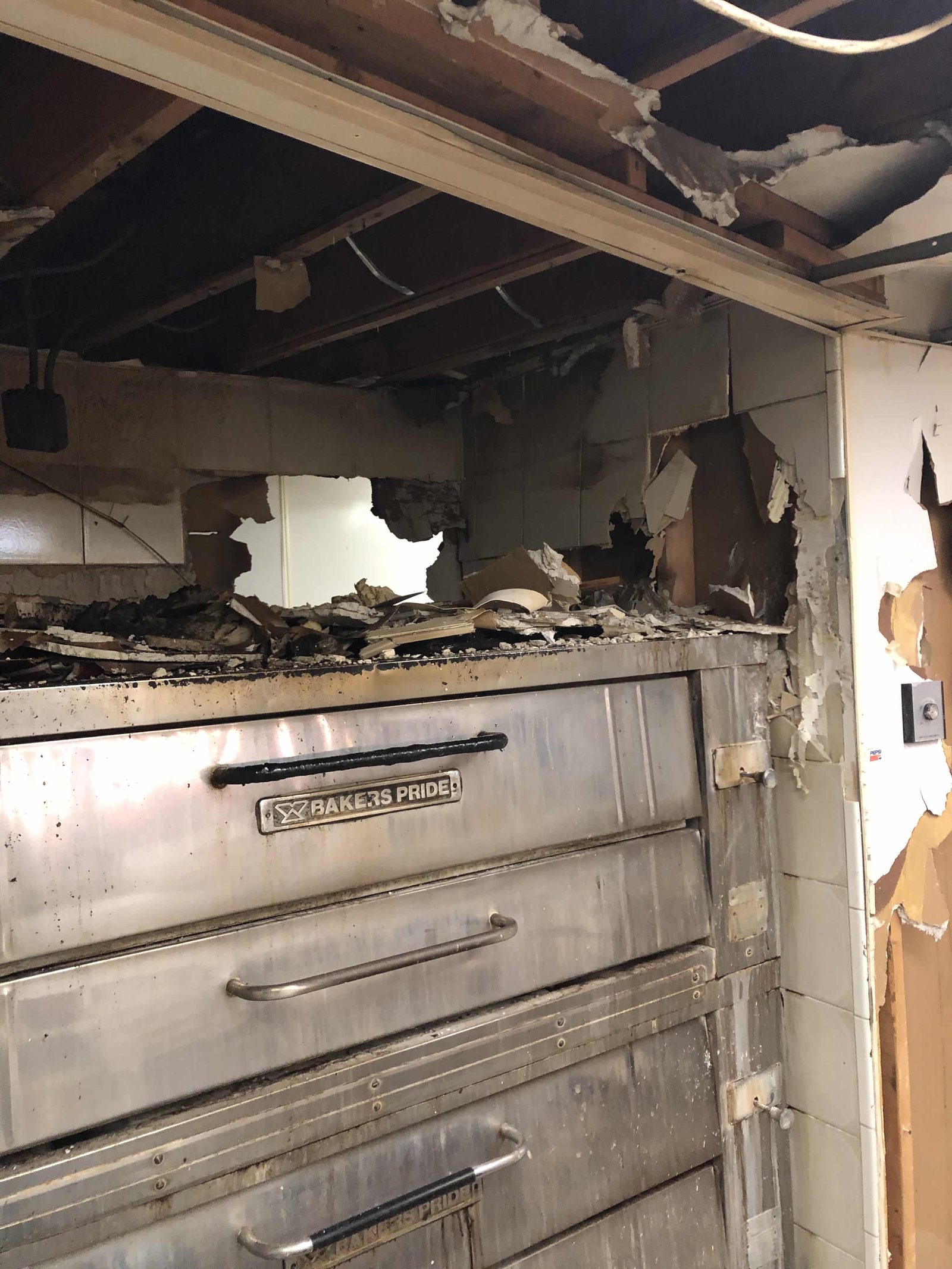
Short answer: kitchens, chimneys, and electrical fires often leave different residues even when the flame area is small. The type of fuel and the temperature of the fire change how the residue behaves.
A kitchen fire can leave greasy or protein-type films on nearby rooms. See what smoke damage restoration involves after a kitchen fire. A chimney fire can move smoke into an attic or living space, as described in what chimney fire damage restoration involves. Electrical fires may deposit soot in cavities; what electrical fire soot and smoke cleanup involve covers that path.
Questions about fire or smoke damage in Westchester County, NY? Bowerman Cleaning and Restoration answers 24/7.
Why Does the Mix of Damage Types Matter?
Short answer: each type needs a different action, and doing only one of them leaves the others in place. Painting a sooty wall, or rebuilding on wet framing, treats the wrong type first.
A later comparison in this series looks at smoke versus soot, and at wet smoke versus dry smoke, in more detail. The practical point here is to inventory all four types in each room before a quote is treated as complete.
That inventory is also the basis for a fair comparison of bids. One company may price only the charred room, while another prices smoke in the attic, soot in the kitchen, and water on the floor below. The second bid can look higher and still be the more complete plan. Ask each bidder to state which types of damage they included.
Later guides in this series compare smoke damage vs soot damage and wet smoke vs dry smoke in more detail. Those distinctions do not change the four-type map; they simply refine how the smoke and soot columns are cleaned.
Photograph each type where it appears, even if the damage looks minor next to the burned room. A light film in a far closet and a damp ceiling two floors down are easy to forget once demolition starts, and they are often the rooms that bring a homeowner back to the job later.
Types of Fire Damage FAQs
Is smoke damage a type of fire damage if there was no flame in that room?
Yes. Smoke and soot that traveled from the fire are still fire-related damage. The cleanup plan should include those rooms.
Is heat damage the same as flame damage?
They overlap. Heat can warp or melt materials that never caught fire, such as plastic fixtures or window vinyl. Those items still have to be assessed.
Does every fire include water damage?
No, but many do, because water is often used to put the fire out or because fixtures fail. It should be checked even when the floor looks dry.
Can one room have more than one type?
Yes, and that is common. A kitchen can have charred materials, soot on equipment, smoke in the next room, and water in the ceiling below.
Which type should be handled first?
Safety and board-up come first, then a map of all types. Water may need prompt extraction, while soot cleaning should be done in a way that does not smear the residue.
Have questions about types of fire damage in a Westchester NY home? Bowerman Restoration LLC d/b/a Bowerman Cleaning & Restoration, 7 Intervale Street, White Plains, NY 10606, answers 24/7 at (844) 269-3762.