
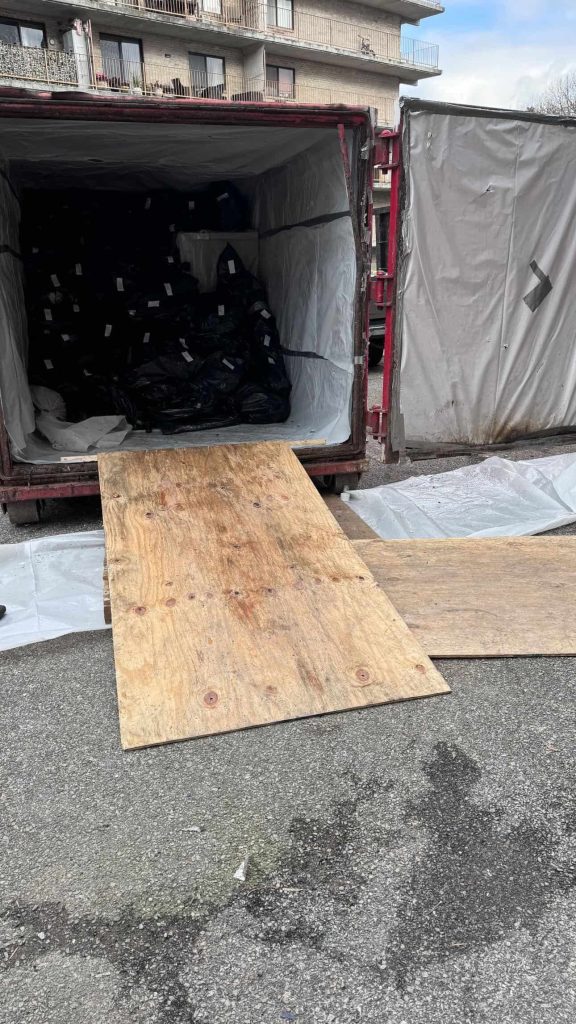
Salvageable items after a fire are the belongings that can reasonably be cleaned and used again. In a NY home, hard, non-porous goods are saved more often than soaked fabrics or charred furniture. The line is not always obvious from a first look, which is why items should be listed and photographed before they are thrown away.
Written by the Bowerman Cleaning and Restoration Team · June 26, 2026
Key Takeaways
- Hard, non-porous items are more often salvageable than porous, soaked, or charred ones.
- A smoke odor on clothing or drapes does not automatically mean the item has to be discarded.
- Opened food, heavily charred furniture, and materials that have lost their structure are rarely worth saving.
- An inventory should be made before discards, especially when an insurer is involved.
In This Guide
- Which Items Are Often Salvageable After a Fire?
- How Is the Salvage Decision Usually Made?
- What Should Happen Before Anything Is Thrown Away?
- Salvageable Items After a Fire FAQs
Which Items Are Often Salvageable After a Fire?
Short answer: many hard goods, some textiles, and documents or photos that can be recovered, if the damage is limited to residue or odor rather than destruction. Salvageable does not mean finished. It means cleaning is a reasonable next step.
| Often salvageable | Often not salvageable | Why the line falls there |
|---|---|---|
| Dishes, glass, and many metal tools | Opened food and perishable pantry items | Hard surfaces can be cleaned; food safety cannot be assumed |
| Some clothing, linens, and drapes | Fabrics that are charred, melted, or rotting wet | Textiles can often be cleaned if the fiber is still sound |
| Hard furniture with a sound frame | Furniture that has lost its structure to flame or collapse | A frame can be cleaned; a destroyed piece cannot |
| Many hard toys and some electronics | Devices that were in the flame or soaked in dirty water | Heat and water inside electronics are often fatal to the item |
| Some photos and papers, with careful handling | Pages that have already crumbled or fused | Recovery is possible only if the item still has a structure |
The process of packing and documenting those items is covered in salvaging belongings after a fire. What fire damage restoration is places contents work inside the larger job, and the fire damage restoration services page outlines that scope.
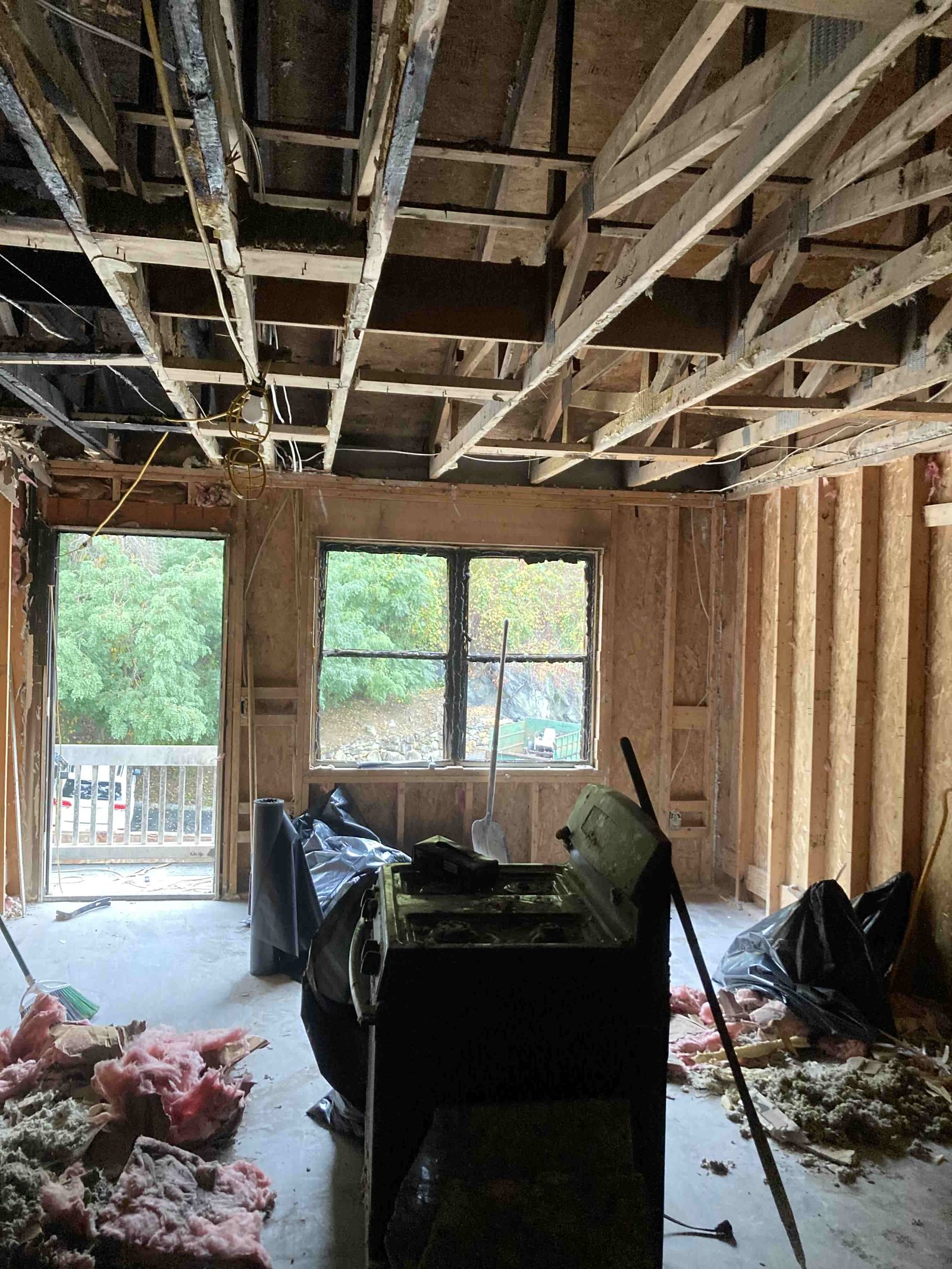
How Is the Salvage Decision Usually Made?
Short answer: by looking at the material, the heat and water damage, the type of residue, and whether cleaning would cost more than replacement. A single rule for every object is not useful.
A ceramic plate and a sofa cushion are not judged the same way. The plate can often be washed once soot is lifted. The cushion may hold odor even after a cleaning attempt. Cost matters too: an inexpensive item may not be worth a special cleaning process, while a meaningful document may be worth extra care.
Questions about fire or smoke damage in Westchester County, NY? Bowerman Cleaning and Restoration answers 24/7.
What Should Happen Before Anything Is Thrown Away?
Short answer: photograph it, list it, and ask the insurer how discards should be handled. A rushed throw-out is a common regret on a fire claim.
What to do first after a house fire puts documentation ahead of cleanup. The filing a claim page covers general recordkeeping. None of that guarantees payment; it only preserves the information the insurer may need.
The same caution applies to items that look hopeless at first glance. A soot-covered dish, a framed photo, or a jacket that only smells of smoke may still be salvageable. Set those pieces aside, photograph them, and decide with a cleaner or the insurer rather than with a trash bag in the first hour.
Sentimental items deserve a little extra time in that process. A document, a photograph, or a piece of jewelry may be worth a specialized recovery attempt even when its cash value is low. Hard goods can often wait in a labeled box; fragile papers should be handled as little as possible until someone can assess them.
Once the keep-or-discard list is made, the pack-out process in salvaging belongings after a fire is the way those choices are carried out without mixing clean items with debris.
Salvageable Items After a Fire FAQs
Can clothes that smell like smoke be saved?
Often yes, if the fabric is not charred or rotting. Smoke odor on textiles is a common reason for professional cleaning rather than an automatic discard.
Are appliances usually salvageable?
It depends on heat, water, and soot inside the unit. An appliance that looks fine on the outside can still be unsafe or ruined inside. A qualified look at the unit is more useful than a guess from the finish.
What about children’s toys?
Hard plastic toys can often be cleaned. Soft, porous, or charred toys are less likely to be saved. When in doubt, list them before throwing them out.
Is cash or jewelry usually lost?
Metal jewelry often survives and can be cleaned. Paper money and some documents may be recoverable if they were not fully burned. Retrieve them only if the area is safe.
Should I keep a damaged item until the claim is closed?
Ask the insurer. Some items can be discarded after they are photographed and listed; others may need to be held. Do not assume a pile at the curb is enough of a record.
Have questions about salvageable items after a fire in a Westchester NY home? Bowerman Restoration LLC d/b/a Bowerman Cleaning & Restoration, 7 Intervale Street, White Plains, NY 10606, answers 24/7 at (844) 269-3762.