
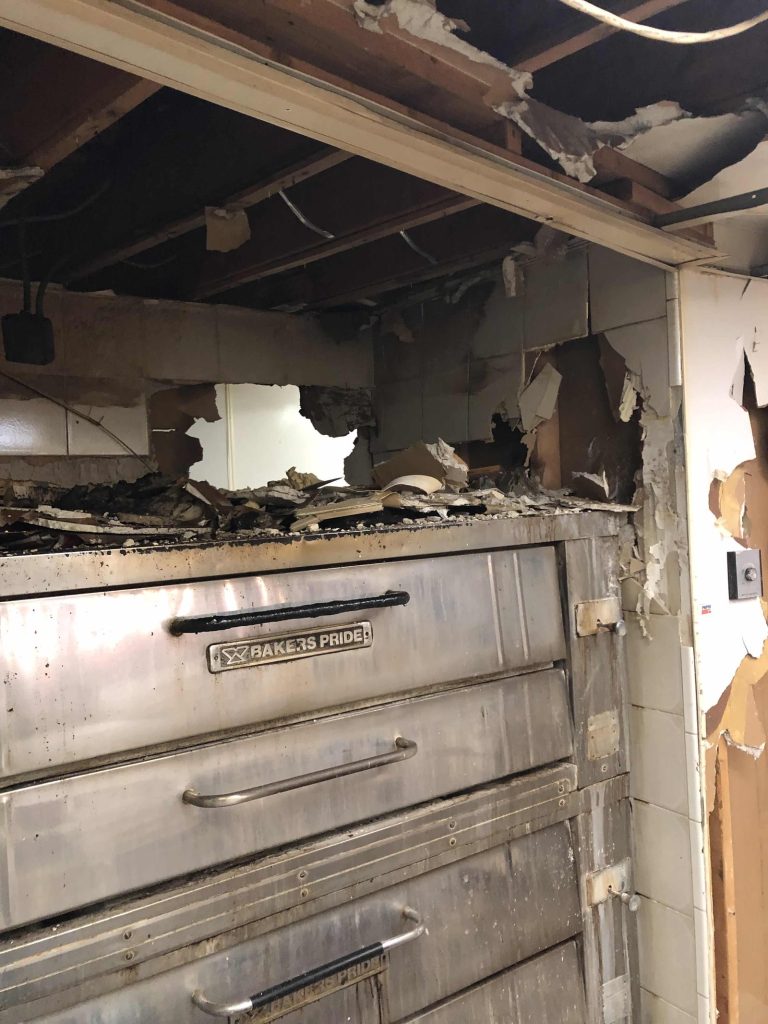
Smoke damage vs soot damage is a useful distinction in NY homes. Smoke travels through the air as gases, fine particles, and odor. Soot is the residue that settles on surfaces. They often appear together, but they are not cleaned the same way. A plan that wipes only the visible film can still leave an odor in the air path.
Written by the Bowerman Cleaning and Restoration Team · July 7, 2026
Key Takeaways
- Smoke damage is the airborne part: odor, discoloration, and residue carried into far rooms and ducts.
- Soot damage is the settled film or powder on surfaces.
- A room can have soot without much odor, or odor with very little visible soot.
- Cleanup usually has to address both, plus any water from the firefight.
In This Guide
- What Is the Difference Between Smoke Damage and Soot Damage?
- Why Does Cleanup Have to Address Both?
- Can a Room Have One Without the Other?
- Smoke Damage vs Soot Damage FAQs
What Is the Difference Between Smoke Damage and Soot Damage?
Short answer: smoke is the traveling air problem; soot is the residue that landed. They overlap, because soot is made of particles that were in the smoke.
| Question | Smoke damage | Soot damage |
|---|---|---|
| What it is | Airborne gases, fine particles, and odor | The residue that settled on a surface |
| Where it shows up | Far rooms, attics, ducts, soft goods | Walls, ceilings, contents, and equipment |
| Typical signs | Odor, light discoloration, residue in vents | A powdery or sticky film you can see or wipe |
| Cleanup focus | Finding the path and treating affected air spaces and materials | Lifting the film without smearing it into the finish |
Dedicated guides cover smoke damage cleanup and soot cleanup in more detail. What fire damage restoration is includes both. Everyday notes are also on the fire, smoke, and soot tips page.
Why Does Cleanup Have to Address Both?
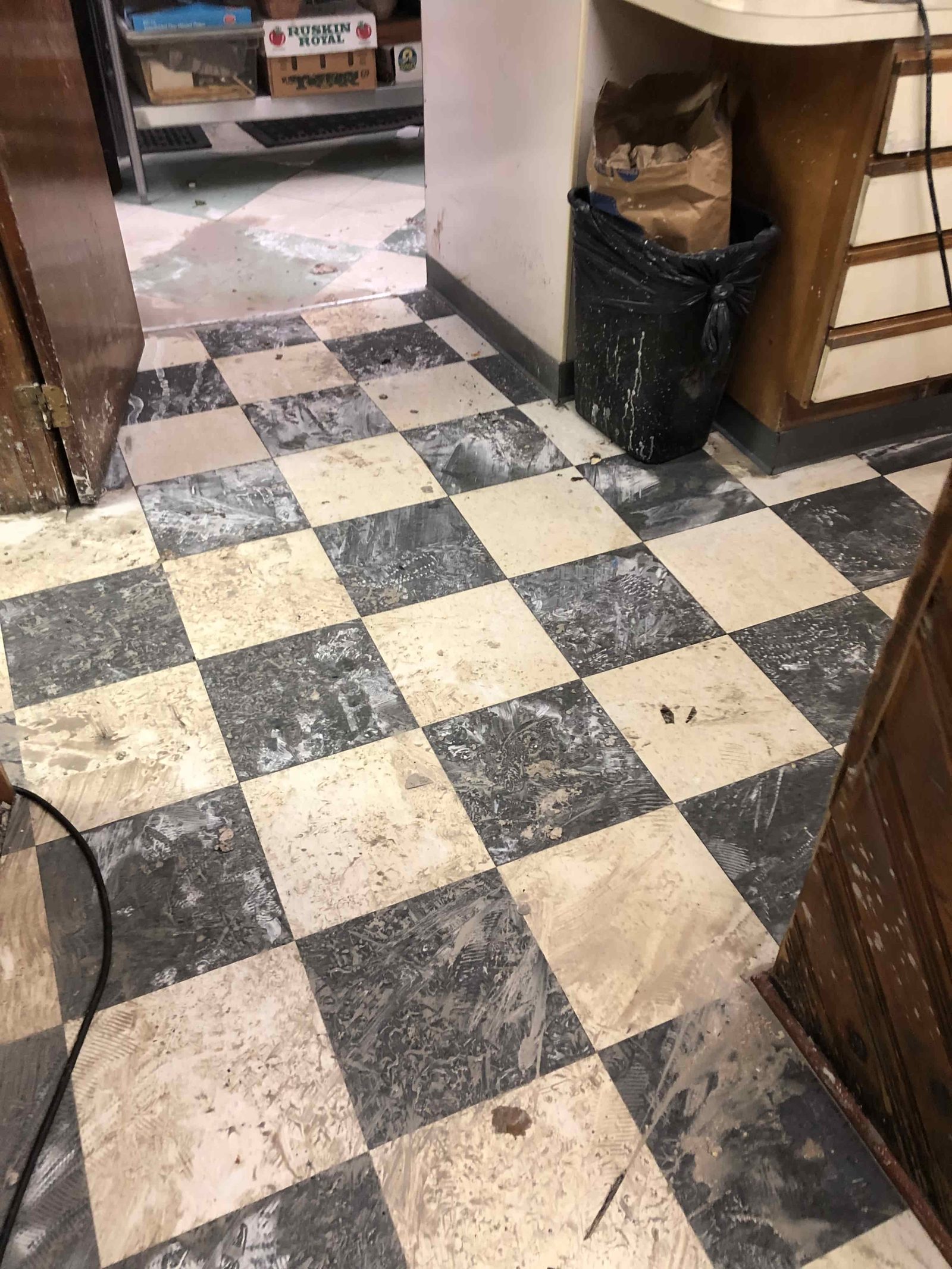
Short answer: wiping soot does not always remove odor, and odor treatment does not remove a film that is still on the wall. Each is incomplete without the other when both are present.
A later comparison of smoke damage cleanup vs smoke odor removal looks at that gap from the odor side. The IICRC S700 standard treats residue as a condition-based problem: the method follows what is actually on the material.
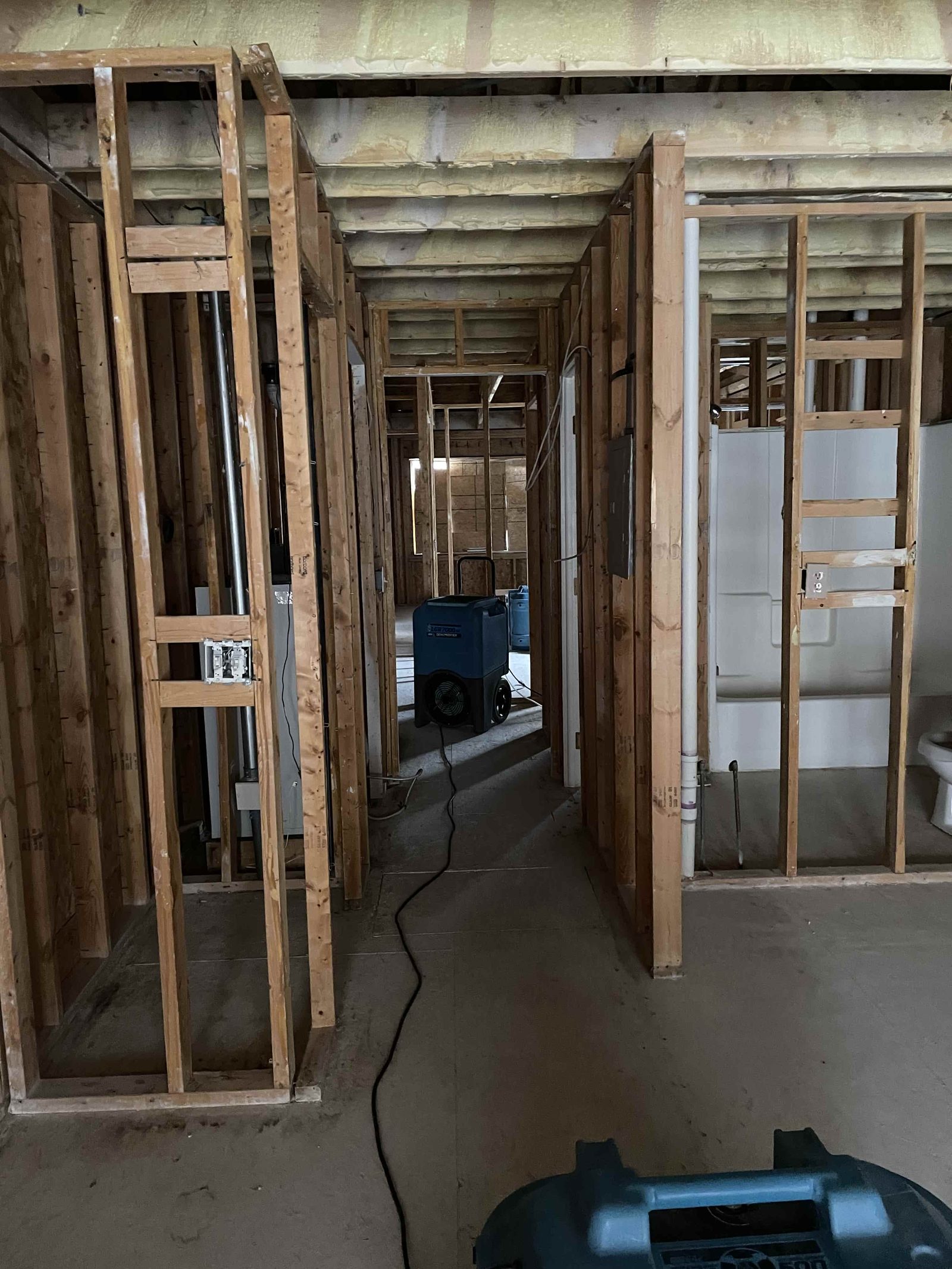
Questions about fire or smoke damage in Westchester County, NY? Bowerman Cleaning and Restoration answers 24/7.
Can a Room Have One Without the Other?
Short answer: yes. light odor with almost no film, or a visible film in a room that does not smell strongly, both happen. The inspection should record what is actually there, not assume they always match.
The fire damage restoration services scope still starts with that inspection. A kitchen fire is a frequent example of a mixed result, as smoke damage restoration after a kitchen fire describes.
A closet can hold a strong odor with almost no visible film, because clothing and stored paper absorb smoke. A garage or a utility room can show a dark smear with less odor once the door has been open. Both rooms still need an inspection, and neither should be judged only by what is visible on the wall.
HVAC systems are a frequent mixed case. A light soot ring at a supply register is soot damage you can see. The same system can also move odor into rooms that were never cleaned. That is why a complete plan looks at the air path, not only at the stained surface next to the vent.
When you read a quote, ask whether the price covers the settled film, the odor path, and the air system. A bid that mentions only wiping walls may address soot and still leave smoke damage in place. The two terms are related, but they are not interchangeable.
Photograph both conditions when they appear in the same house. A close shot of a soot film and a note about odor in a far closet are more useful than a single photo of the burned room. That record helps a later quote and a later claim file treat smoke damage and soot damage as the separate issues they often are.
Smoke Damage vs Soot Damage FAQs
Is soot just leftover smoke?
Soot is the residue that settled out of the smoke. The two are related, but soot is what you see on a surface, and smoke damage also includes the odor and the path the air took.
If I clean the soot, will the smoke smell go away?
Sometimes, if the odor was only on those surfaces. Often the smell is also in ducts, insulation, or soft goods, so the film and the odor have to be addressed separately.
Which one travels farther?
Smoke typically travels farther, because it moves with the air. Soot can still appear well beyond the flames, especially as a light film in far rooms.
Does every fire leave both?
Most fires leave some of both, but the mix varies. A fast, hot fire may leave a drier soot. A smoldering fire may leave more odor and a stickier residue.
Should a quote list them as separate line items?
It helps. If a bid only says cleaning, ask whether that includes the settled film, the odor path, and the air system.
Have questions about smoke damage vs soot damage in a Westchester NY home? Bowerman Restoration LLC d/b/a Bowerman Cleaning & Restoration, 7 Intervale Street, White Plains, NY 10606, answers 24/7 at (844) 269-3762.