
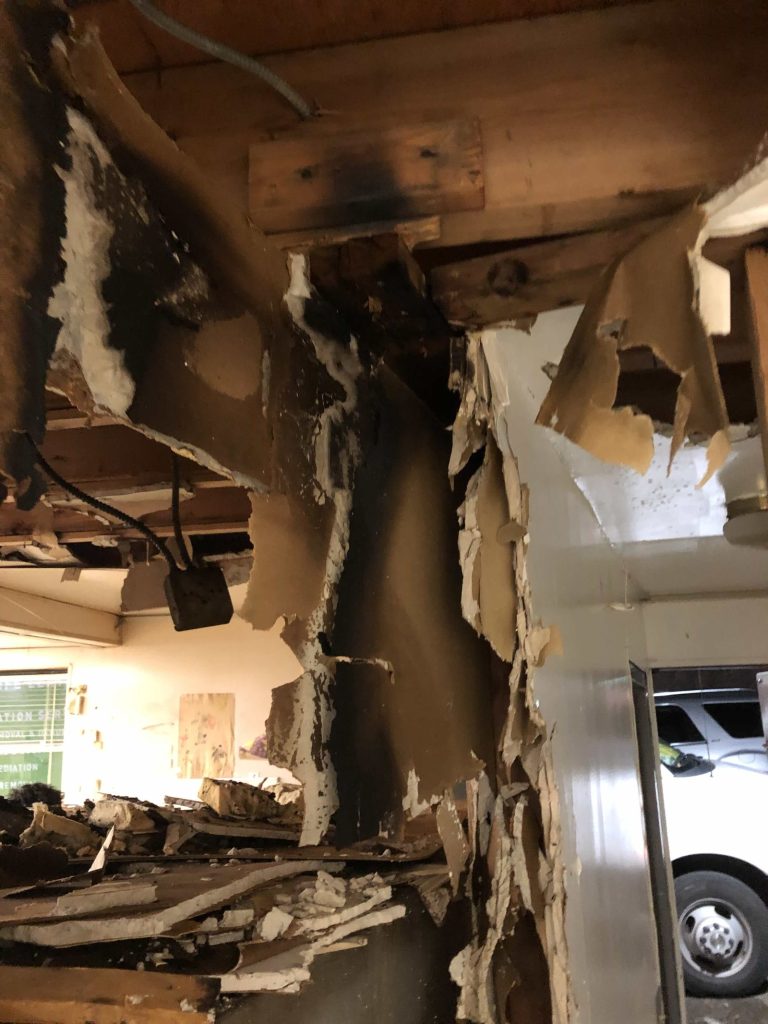
Wet smoke vs dry smoke describes two residue types after a fire in a NY home. Dry smoke comes from a hotter, faster fire and leaves a powdery soot that is easier to lift. Wet smoke comes from a cooler, smoldering fire, including plastics or rubber, and leaves a sticky film and a stronger odor. Cleanup should match the type.
Written by the Bowerman Cleaning and Restoration Team · July 8, 2026
Key Takeaways
- Dry smoke is often linked to a hotter, faster fire and a powdery residue.
- Wet smoke is often linked to a cooler, smoldering fire and a sticky, harder-to-clean film.
- Protein smoke from cooking is a related third type, with a strong odor and a thin film.
- Using a wet wipe on the wrong residue can smear a stain into the finish.
In This Guide
- What Is the Difference Between Wet Smoke and Dry Smoke?
- Where Does Protein Smoke Fit In?
- Why Does the Type of Smoke Matter for Cleanup?
- Wet Smoke vs Dry Smoke FAQs
What Is the Difference Between Wet Smoke and Dry Smoke?
Short answer: dry smoke tends to leave a powder; wet smoke tends to leave a sticky film and a stronger odor. These are working descriptions, not laboratory labels for every fire.
| Question | Dry smoke | Wet smoke |
|---|---|---|
| Typical fire | Hotter, faster burning | Cooler, smoldering, often with plastics or rubber |
| Residue | A powdery soot that is often easier to lift | A sticky or smeary film that is harder to clean |
| Odor | Present, but often less persistent than wet smoke | Often stronger and more lingering |
| Cleanup caution | Still easy to spread with the wrong vacuum or rag | Water or pressure can smear the film into the finish |
Smoke damage vs soot damage explains how the airborne part and the settled film relate. Soot cleanup and smoke damage cleanup cover the work itself. What fire damage restoration is is the larger process.
Where Does Protein Smoke Fit In?
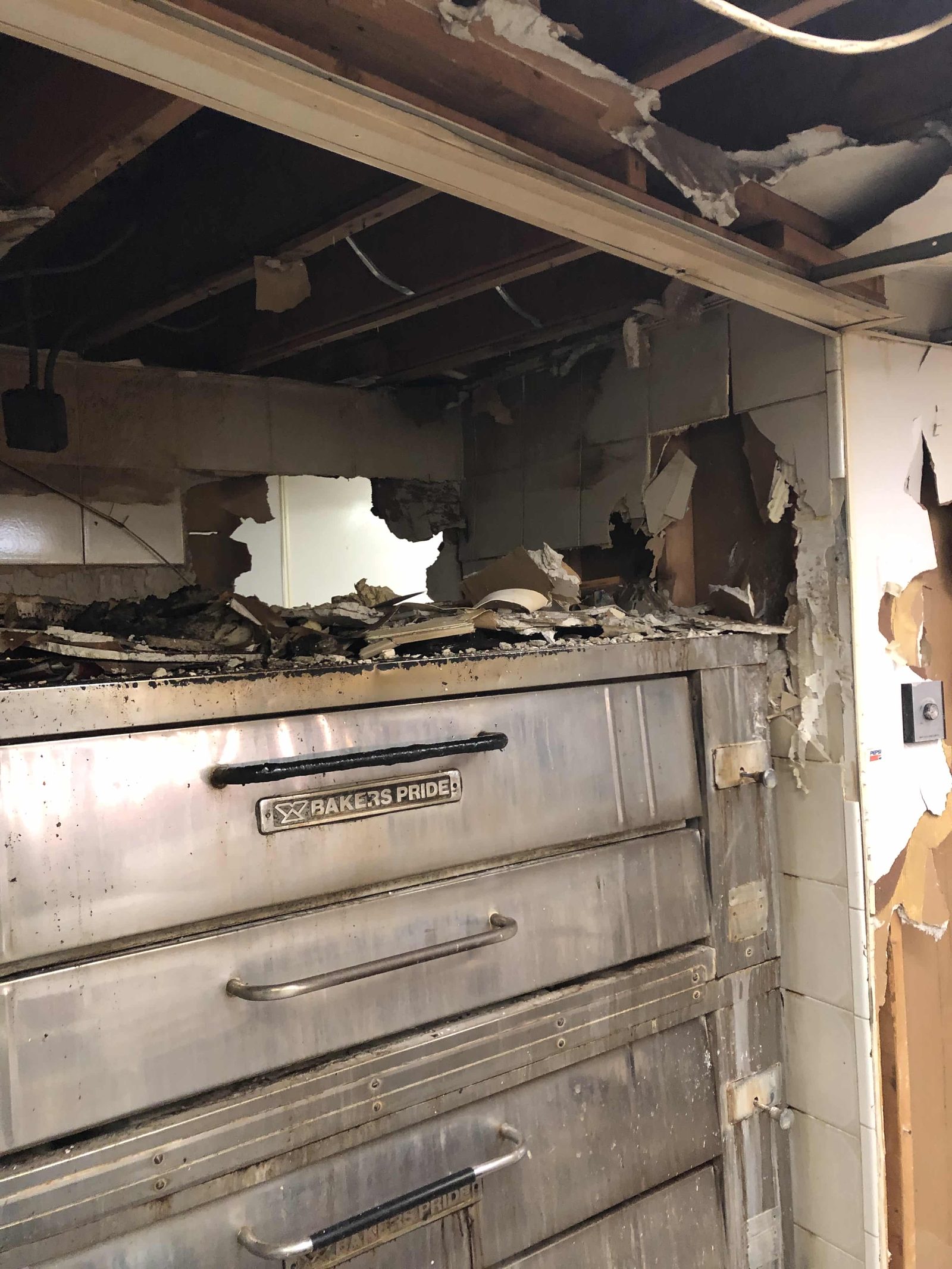
Short answer: it is a related third type, often from cooking, with a strong odor and a thin, sometimes almost invisible film. A kitchen can look nearly clean and still smell strongly.
What smoke damage restoration involves after a kitchen fire is the closer look at that setting. The film can be hard to see and still affect nearby rooms.
Questions about fire or smoke damage in Westchester County, NY? Bowerman Cleaning and Restoration answers 24/7.
Why Does the Type of Smoke Matter for Cleanup?
Short answer: the first cleaning step that works on a dry powder can smear a wet film, and odor treatment may have to go farther on wet smoke jobs. A one-method wash for every fire is a common reason a room is cleaned twice.
The IICRC S700 standard is the usual professional reference for matching a method to the residue. The fire damage restoration services scope starts with that kind of inspection.
In practice, a technician will often test a small area first. A dry powder may lift with a careful dry method. A sticky film may need a different cleaner and more time, and it may stain if it is flooded with water too soon. Protein films from cooking can be thin enough that odor, not color, is the first clue.
The type can also change from room to room. A hot fire in one space and a smoldering sofa in another can leave two residues in the same house. Labeling the whole job as only wet or only dry would oversimplify that mix. Each surface should be judged on what is actually there.
Odor treatment should follow the same logic. Wet smoke jobs often need a more thorough look at soft goods, insulation, and ducts, because the odor is usually stronger and more lingering. A fragrance applied before the film is removed is not a substitute for that work, as the later comparison of smoke damage cleanup vs smoke odor removal explains.
A homeowner does not need a laboratory label to ask good questions. Ask whether the residue is powdery or sticky, what the first cleaning step will be, and how far the odor has traveled. Those answers should appear in the written scope, especially when more than one type is present in the same Westchester County, NY home.
Wet Smoke vs Dry Smoke FAQs
Can I tell wet smoke from dry smoke by looking?
Often, yes, in a rough way. A dry, dusty film suggests dry smoke. A sticky or smeary film suggests wet smoke. A kitchen fire can also leave a thin protein-type film that is harder to see.
Is wet smoke caused by firefighting water?
Not in the sense used here. Wet smoke refers to the residue from a cooler, smoldering fire, not to hose water. Water damage is a separate issue and should still be checked.
Which type is harder to clean?
Wet smoke is usually harder, because the film is sticky and the odor is often stronger. Dry smoke can still stain a finish if it is wiped the wrong way.
Does every fire fit neatly into one type?
No. A fire can produce more than one residue as it burns different materials. The cleanup should follow what is actually on each surface.
Should a quote name the residue type?
It helps when the method is described, not only the type name. Ask how a sticky film will be lifted, and how odor in far rooms will be handled.
Have questions about wet smoke vs dry smoke in a Westchester NY home? Bowerman Restoration LLC d/b/a Bowerman Cleaning & Restoration, 7 Intervale Street, White Plains, NY 10606, answers 24/7 at (844) 269-3762.