
The most common sewage backup causes in NY homes are tree roots in the sewer lateral, grease and wipes that build into clogs, heavy rain that overloads municipal lines, and old pipes that crack or sag. Most can be reduced with simple drain habits, periodic camera inspections, and a working backwater valve.
Written by the Bowerman Cleaning and Restoration Team · August 26, 2026
Key Takeaways
- Roots, grease, and wipes cause most clogs in the private line between the house and the street.
- Heavy rain can push the public sewer past capacity, forcing water back into the lowest drains.
- Older clay and cast iron pipes crack, sag, and separate at joints, which invites roots and blockages.
- Backwater valves, careful drain use, and camera checks prevent many backups before they start.
In This Guide
- What Are the Most Common Sewage Backup Causes?
- Is the Problem in the House or the Public Sewer?
- Why Do Heavy Rain and Older Homes Raise the Risk?
- Which Habits Prevent Most Backups?
- Sewage Backup Causes FAQs
What Are the Most Common Sewage Backup Causes?
Short answer: blockages in the private sewer line, an overloaded public sewer, and failing pipes or pumps.
| Cause | What happens | Typical clue |
|---|---|---|
| Tree roots | Roots enter joints and cracks in the lateral and catch debris | Slow drains that return every few months |
| Grease and food fats | Fats cool and harden inside the pipe, narrowing it | Kitchen drains slow first |
| Wipes and non-flushables | Wipes, paper towels, and hygiene products do not break down | Toilets back up after heavy use |
| Heavy rain | Stormwater gets into the public sewer and overloads it | Basement drains overflow during or after storms |
| Cracked or sagging pipe | A broken or bellied section holds waste and blocks flow | Repeat clogs, sewer odor outside |
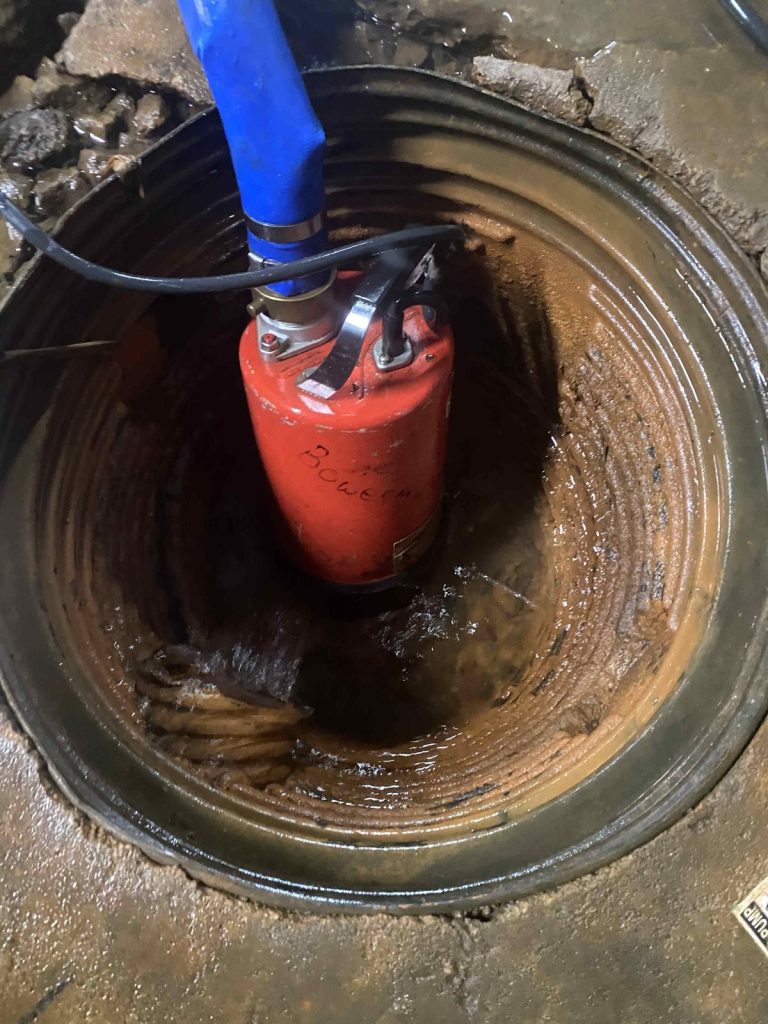
| Failed ejector pump | Basement fixtures below the sewer line depend on a pump that stops | Pump alarm, water in the pit or basement bathroom |
The EPA explains that public sanitary sewer overflows often trace back to grease, roots, and rain getting into the system. For clean-water sources such as supply lines and appliances, see the live guide to water damage causes. A full overview of the work is in what is sewage damage cleanup.
Is the Problem in the House or the Public Sewer?
Short answer: a backup in one fixture usually points to a local clog; backups in several fixtures or the lowest drain point to the main line or the street.
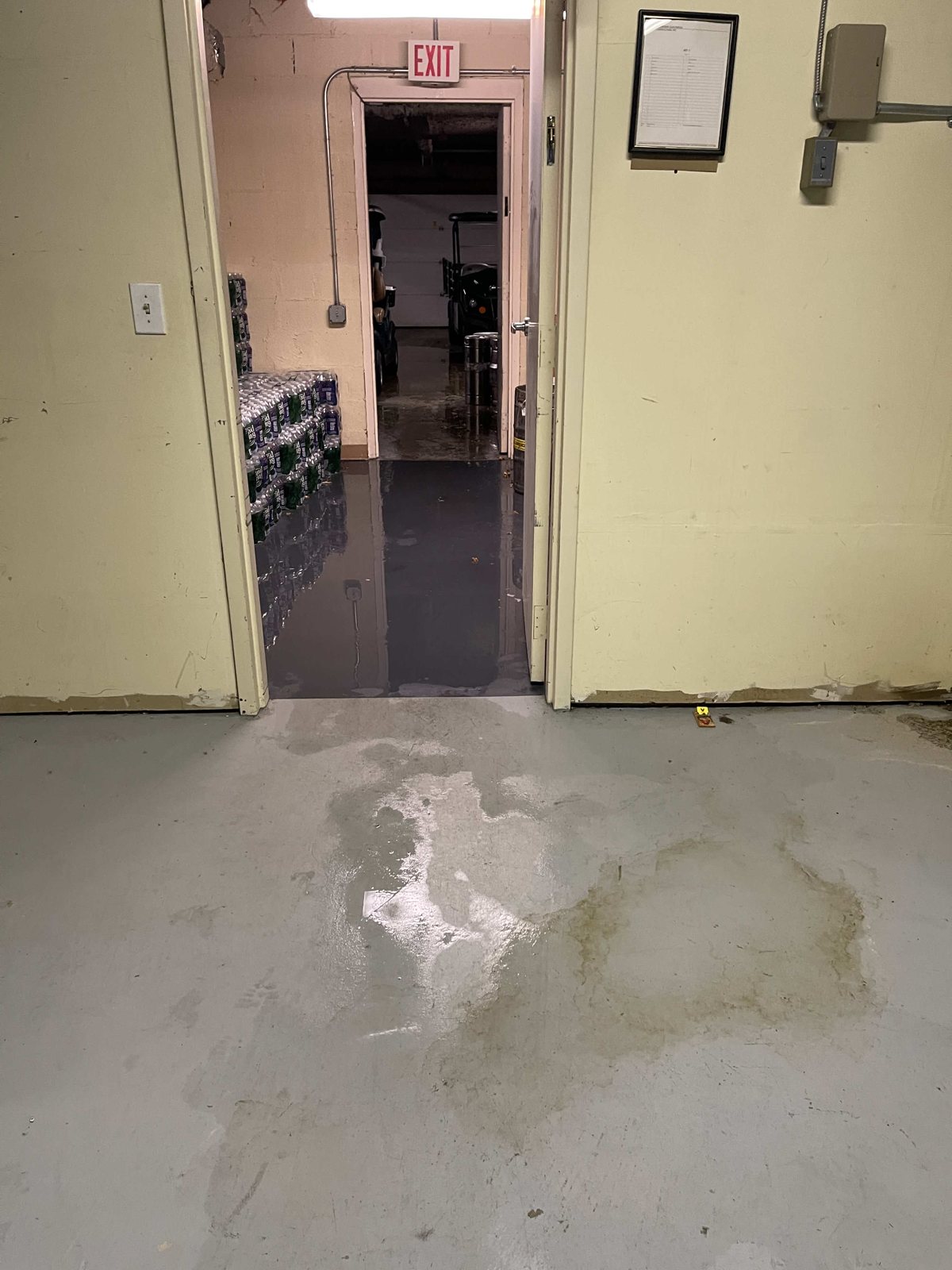
A single slow sink is usually a clog in that branch. When toilets, tubs, and floor drains back up together, or water rises in a basement drain when an upstairs fixture runs, the blockage is in the main line or beyond. If neighbors report the same problem during a storm, the public sewer is the more likely cause.
In many NY towns and villages, the property owner is responsible for the lateral from the house to the public main, and the municipality handles the main itself. The exact dividing line varies, so the local sewer or public works department is the right call when the cause looks outside the house.
Sewage backup at a Westchester County, NY property? Bowerman Cleaning and Restoration answers 24/7.
Why Do Heavy Rain and Older Homes Raise the Risk?
Short answer: older pipes leak and let roots in, and rain adds water to sewers that were never sized for it.
Many Westchester homes still drain through clay or cast iron laterals installed decades ago. Joints loosen, roots find the moisture, and sections sag as soil settles. During a heavy storm, groundwater and runoff seep into those same cracks, and some homes still have sump pumps or roof leaders tied into the sanitary line, which adds even more water.
When the public sewer surcharges, water looks for the lowest opening, which is often a basement floor drain or shower. The case studies on basement flood restoration after heavy rain and urban flood restoration after a severe storm show how quickly a lower level fills.
Which Habits Prevent Most Backups?
Short answer: keep grease and wipes out of drains, inspect older laterals, and stop rainwater from entering the sanitary line.
- Keep grease out of the sink. Let fats cool and throw them in the trash instead of rinsing them down the drain.
- Flush only toilet paper. Even wipes labeled flushable can snag on roots and joints.
- Schedule a camera inspection. For older homes or repeat clogs, a sewer camera shows roots, cracks, and sags before they cause a backup.
- Install or service a backwater valve. A backwater valve lets wastewater leave but closes when the public sewer pushes back.
- Test the ejector pump and alarm. Basement bathrooms that rely on a pump need a working pump and a loud alarm.
- Disconnect sump pumps and roof leaders. Rainwater belongs outside or in the storm system, not in the sanitary sewer.
Even with good habits, backups still happen. Coverage often depends on a separate water backup endorsement, which the live guide on water damage insurance coverage explains. When wastewater does come in, the sewage damage cleanup and restoration page outlines how contaminated water is removed and the area is cleaned and dried.
Sewage Backup Causes FAQs
What is the number one cause of sewage backups?
In older neighborhoods, tree roots in the private sewer lateral are one of the most frequent causes, often combined with grease or wipes that catch on the roots. The sewage backup warning signs guide covers this in more detail.
Can heavy rain cause a sewage backup?
Yes. Rain can overload the public sewer and push wastewater back up through the lowest drains in a building, usually a basement floor drain or shower.
Are flushable wipes really a problem?
Yes. They do not break down like toilet paper, and they collect on roots, joints, and sags until the line blocks.
Does a septic system cause backups too?
It can. A full tank or saturated drain field can push water back into the house, and slow drains are an early sign.
Who fixes the sewer line outside the house?
It depends on where the problem is. The owner usually handles the private lateral, while the municipality handles the public main. The sewage backup vs sewer line break guide covers this in more detail.
Dealing with one of these sewage backup causes in a Westchester NY home? Bowerman Restoration LLC d/b/a Bowerman Cleaning & Restoration, 7 Intervale Street, White Plains, NY 10606, answers 24/7 at (844) 269-3762.