
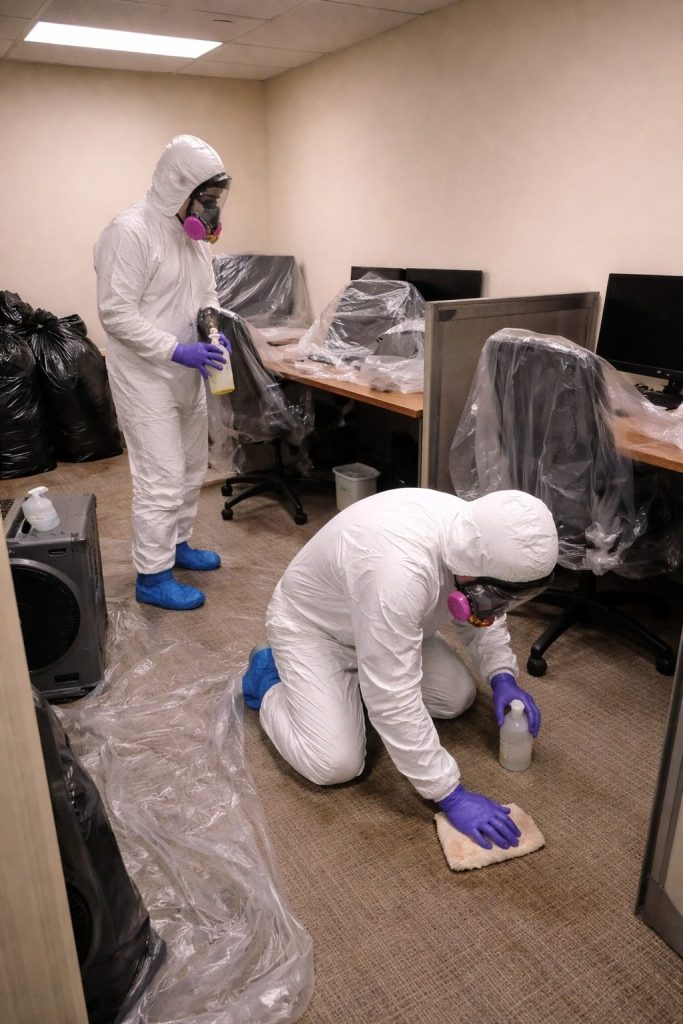
Biohazard cleanup vs trauma scene cleanup are overlapping terms, not identical ones. In NY work, biohazard cleanup is the broader category: it covers blood, bodily fluids, and other potentially infectious materials, from a number of sources. Trauma scene cleanup is a specific kind of biohazard job, done after a serious injury or death once first responders have left and, if needed, the scene has been released. One is the category; the other is a particular event inside it. Families often hear both phrases on the same call, which is why the distinction is worth spelling out.
Written by the Bowerman Cleaning and Restoration Team · November 10, 2026
Key Takeaways
- Biohazard cleanup is the category of work used when blood, bodily fluids, or similar materials are present.
- Trauma scene cleanup is one type of biohazard job, tied to a serious injury or death.
- Other biohazard jobs, such as some sharps or blood events that are not trauma scenes, still belong in the wider category.
- Both require trained crews, protective equipment, and proper waste handling, not routine housekeeping.
In This Guide
- How Do the Two Terms Relate?
- What Is Distinct About a Trauma Scene?
- What Other Jobs Are Biohazard Cleanup but Not Trauma Scenes?
- How Should a Quote Use These Words?
- Biohazard Cleanup vs Trauma Scene Cleanup FAQs
How Do the Two Terms Relate?
Short answer: trauma scene cleanup sits inside biohazard cleanup; not every biohazard job is a trauma scene. Using the words interchangeably is common, and it can hide differences in scope.
| Question | Biohazard cleanup | Trauma scene cleanup |
|---|---|---|
| What it names | The category of work for blood, bodily fluids, and similar materials | A job at the scene of a serious injury or death |
| Typical events | Trauma, some accidents, certain blood incidents, and related scenes | The location where the trauma occurred, after responders leave |
| What the work includes | Assessment, containment, cleaning or removal, disinfection, waste | The same methods, applied to that specific scene, including odor and affected materials |
| What it is not | A medical or legal determination of what happened | An investigation; it begins after any required official release |
A company may advertise trauma scene work and still use biohazard methods, because a trauma scene is a biohazard scene. The reverse is not always true: a blood spill from a medical event at home may need biohazard cleanup without being described as a trauma scene.
What Is Distinct About a Trauma Scene?
Short answer: the event is often sudden, the emotional stakes are high, and fluids and odor may have affected more than one material in the room. Discretion and a clear, calm scope matter as much as the chemistry of the cleaning.
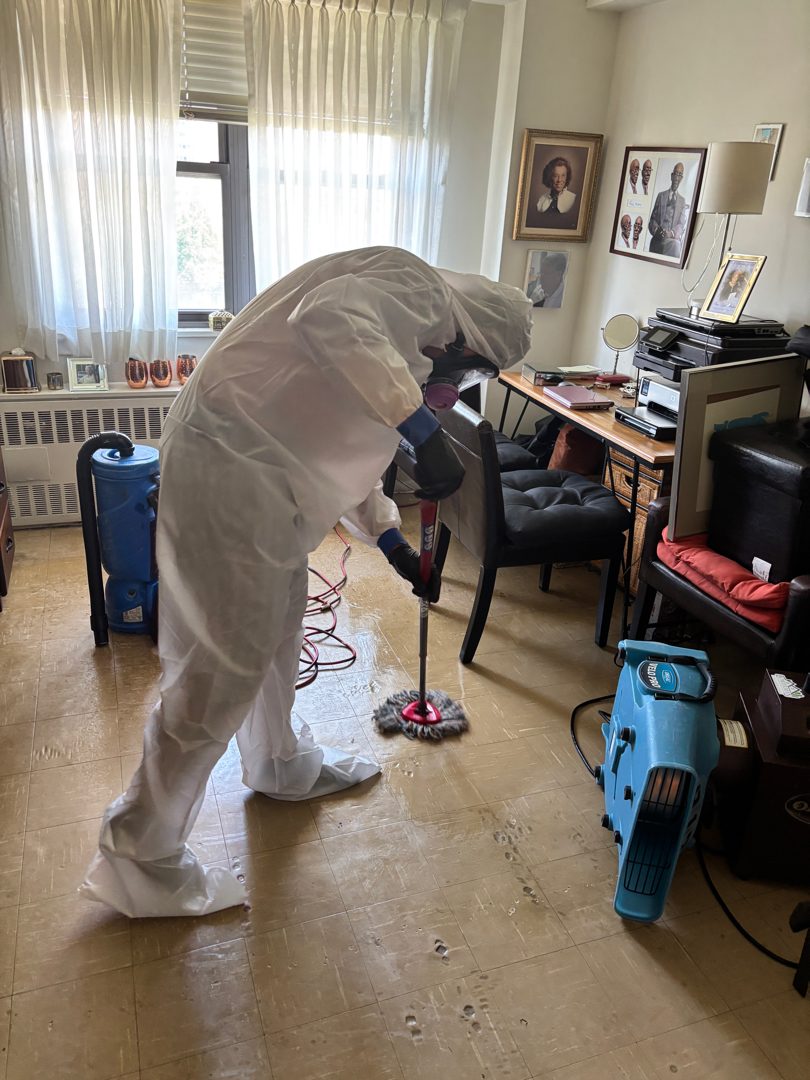
After police and first responders leave, the physical scene remains. Time and temperature affect how far fluids travel and how strong an odor becomes. The work still follows a biohazard sequence: assess, contain, remove or clean, disinfect, and document waste. Families should not be asked to do that work themselves. The OSHA bloodborne pathogens page is the worker-safety backdrop; it is not a homeowner checklist.
Biohazard remediation is the service page for this category and a useful overview to share with relatives or a building manager.
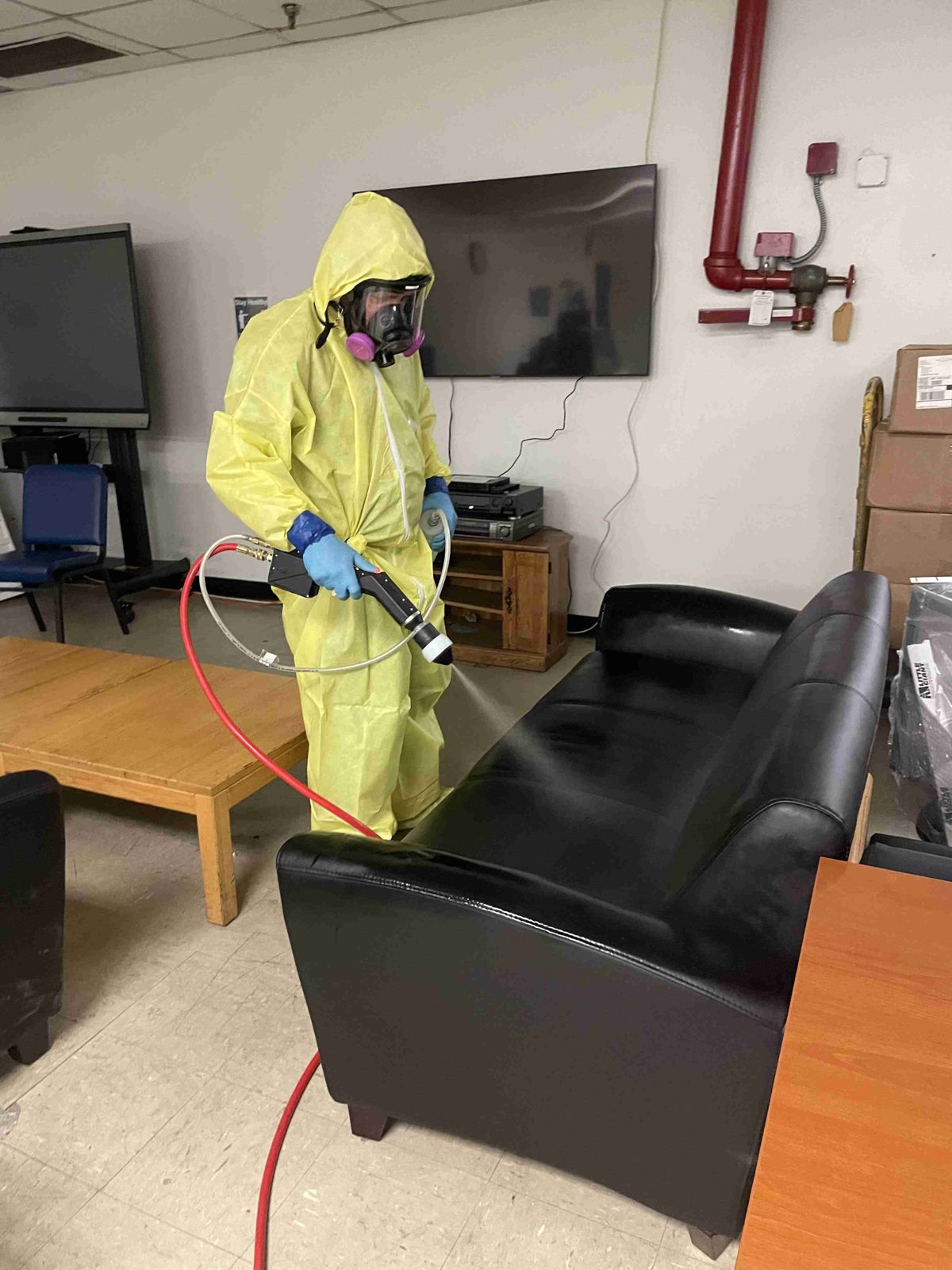
Facing a biohazard cleanup in Westchester County, NY? Bowerman Cleaning and Restoration answers 24/7, discreetly.
What Other Jobs Are Biohazard Cleanup but Not Trauma Scenes?
Short answer: incidents that involve blood or bodily fluids without being the aftermath of a traumatic event in the usual sense. The methods can be similar; the description on the invoice should still be accurate.
Examples include some medical incidents at home, found sharps, or other blood events that were not a trauma scene. Those jobs still should not be handed to a regular house cleaner. Calling every unpleasant mess a trauma scene is also unhelpful. Accurate language helps with insurance, with building management, and with setting the right scope.
Examples include a serious injury with blood in more than one room, some medical or sharps incidents in a home, and certain unsanitary conditions that involve bodily waste but are not tied to a single traumatic event. Those jobs still need controlled cleanup, waste handling, and a clear scope. They simply are not named as trauma scenes. Treating every biohazard visit as if it were a crime or a trauma can add unhelpful language to a file; treating a trauma scene as if it were a routine clean is the more dangerous error. Hidden water damage signs is a reminder, in a different field, that the visible surface is not always the full problem, and the same caution applies when fluids have moved through finishes.
How Should a Quote Use These Words?
Short answer: by naming the event accurately and then listing rooms, materials, methods, and waste, rather than relying on the heading alone. Two quotes can use different titles and still describe the same work, or use the same title and describe different work.
Ask whether the scope includes hidden layers, odor, contents, and documentation. If a sewage backup is part of the same visit, that portion is a different protocol, described on the sewage damage cleanup page and in what water damage restoration is. For first steps after a related water event, see what to do first after water damage.
Families do not have to invent the right label before they call. A careful company will ask what is known about the event, whether officials are still involved, and which rooms were affected, then write a scope in ordinary words. If insurance will be part of the conversation, that written description matters, along the same lines as water damage insurance coverage: the facts of the loss should be accurate, not stretched to fit a term that sounds more or less severe. A quote that only says cleaning, with no mention of waste, affected materials, or verification, leaves too much unsaid for either a trauma scene or a wider biohazard job.
Biohazard Cleanup vs Trauma Scene Cleanup FAQs
Is trauma scene cleanup a type of biohazard cleanup?
Yes. It is a specific event inside the larger biohazard category.
Is every biohazard job a trauma scene?
No. Other blood or bodily-fluid incidents can require biohazard cleanup without being described as trauma scenes.
Does the name on the invoice change the work?
It should not. The scope, the methods, and the waste handling should be clear regardless of whether the heading says biohazard or trauma scene.
When does cleanup start at a trauma scene?
After the site is safe and, if it is part of an investigation, after official release. Cleanup is not the investigation.
Can a relative clean a trauma scene to save the family from seeing it?
That impulse is understandable and unsafe. Trained crews are the right party, and relatives should be kept out of the affected area.
Comparing biohazard cleanup vs trauma scene cleanup in Westchester NY? Bowerman Restoration LLC d/b/a Bowerman Cleaning & Restoration, 7 Intervale Street, White Plains, NY 10606, answers 24/7 at (844) 269-3762.