
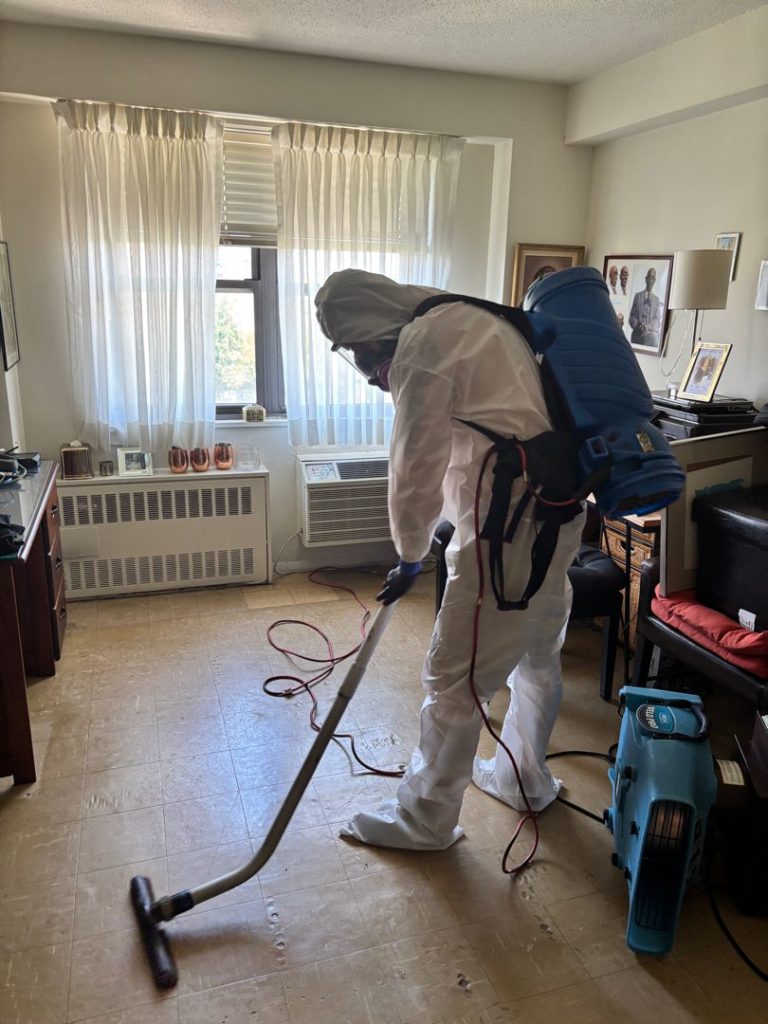
Biohazard cleanup vs regular cleaning is a difference of proof, not of shine. In a NY home, a floor can look spotless and still carry pathogens in a seam, a pad, or a subfloor. Regular cleaning removes ordinary dirt, dust, and spills that are not infectious waste. Biohazard cleanup addresses blood, bodily fluids, and similar contamination with protective equipment, a controlled work area, registered disinfectants, material removal when needed, and documented waste handling. Knowing which job is which prevents a routine housecleaning visit from being asked to do work it is not set up to do.
Written by the Bowerman Cleaning and Restoration Team · November 9, 2026
Key Takeaways
- Regular cleaning handles ordinary soil; biohazard cleanup handles blood, bodily fluids, and related contamination.
- A surface that looks clean is not proof that a biohazard job is complete.
- Biohazard work uses protective gear, controlled areas, and regulated waste paths that regular cleaning does not.
- Household cleaners and a mop are the wrong first tools when those materials are present.
In This Guide
- What Is the Difference Between Biohazard Cleanup and Regular Cleaning?
- When Is Regular Cleaning Enough?
- When Is Biohazard Cleanup the Right Category?
- How Should an Owner Choose Between the Two?
- Biohazard Cleanup vs Regular Cleaning FAQs
What Is the Difference Between Biohazard Cleanup and Regular Cleaning?
Short answer: regular cleaning restores appearance and ordinary hygiene; biohazard cleanup reduces contamination and documents how waste left the property. The two services can both leave a room looking tidy; only one is designed for this kind of scene.
| Question | Regular cleaning | Biohazard cleanup |
|---|---|---|
| Typical soil | Dust, everyday spills, ordinary dirt | Blood, bodily fluids, and related materials |
| Success measure | Appearance and routine hygiene | Assessment, disinfection, removal of affected materials, and waste records |
| Protective equipment | Ordinary cleaning gloves, if any | Gloves, eye protection, protective clothing, and other gear as assessed |
| Waste | Household or ordinary commercial trash | Packaged, labeled, and hauled as regulated waste when required |
| Who does it | Housekeeping or a janitorial service | A firm set up for biohazard work |
The OSHA bloodborne pathogens page is a reminder that worker exposure is taken seriously when blood or other potentially infectious materials are involved. That is not the framework for a weekly housecleaning visit.
When Is Regular Cleaning Enough?
Short answer: when there is no blood, bodily fluid, or other biohazard material in the room. A spilled drink, ordinary mud, or routine kitchen soil is still a regular cleaning job.
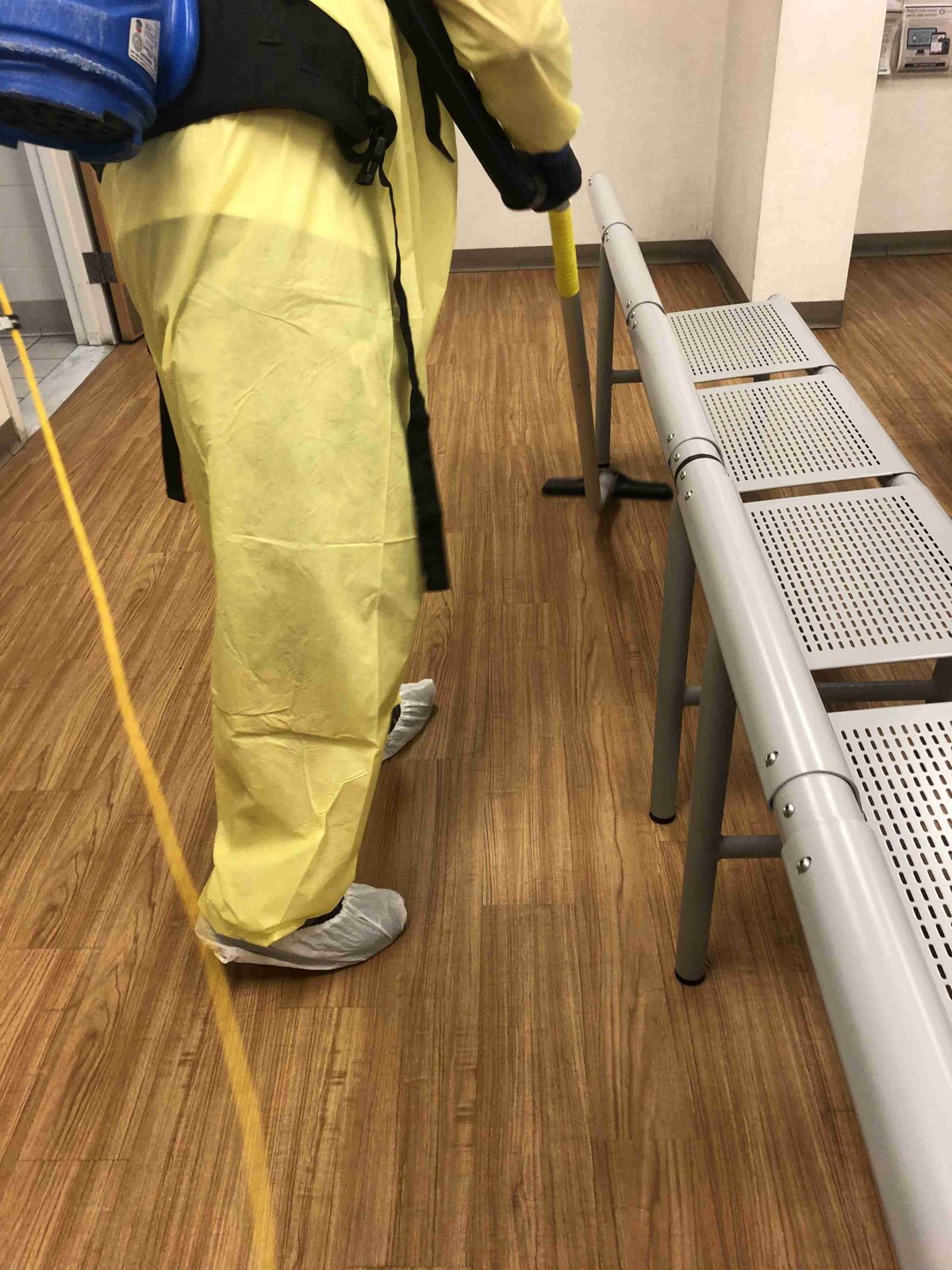
It is important not to treat every unpleasant mess as a biohazard. Food waste, ordinary pet accidents in small amounts, and standard household dirt are usually handled with normal cleaning methods. The line is crossed when blood, bodily fluids, or similar materials are present, or when a scene would reasonably be expected to contain them. If there is doubt, the safer path is to keep people out and ask a firm that does biohazard work to assess, rather than to start mopping.
A small, contained spill that is wiped immediately by the person who caused it, on a hard surface, is the kind of event regular cleaning methods are built for. Once blood or bodily fluids have soaked a carpet, run under a baseboard, or sat long enough to dry in a seam, the job has left that category. Asking a household member or a weekly cleaner to “just take care of it” is how exposure and leftover contamination usually begin. OSHA’s overview of bloodborne pathogens is written for workplaces, but it is a clear reminder that this material is treated as a special risk, not as ordinary soil.
Facing a biohazard cleanup in Westchester County, NY? Bowerman Cleaning and Restoration answers 24/7, discreetly.
When Is Biohazard Cleanup the Right Category?
Short answer: when blood, bodily fluids, or similar contamination is present, or when porous materials have absorbed it. Looking clean afterward is not the test.
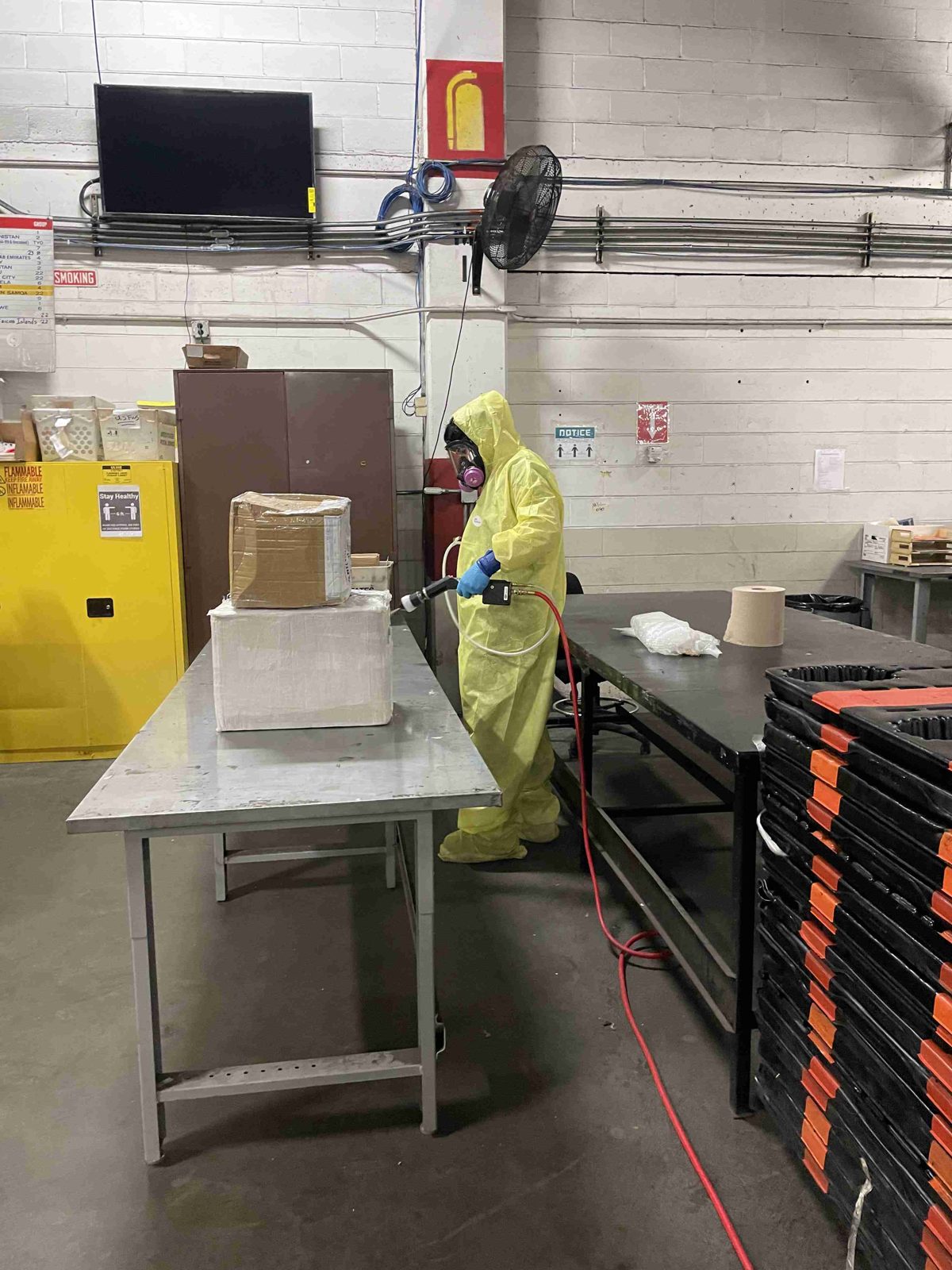
Unattended deaths, trauma, some crime scenes after release, and certain accidents in a home fall in this category. Hidden layers matter. If fluid reached a pad or a wall, regular mopping will not finish the job. Biohazard remediation is the service page for this work.
A sewage backup is a related but distinct problem, with its own water category and waste rules. See sewage damage cleanup and restoration and what to do first after water damage if the issue started in a drain or a flood, not with blood or a trauma scene.
How Should an Owner Choose Between the Two?
Short answer: by describing what is actually in the room, not by asking for a deeper scrub of the same regular service. If a cleaning company is uneasy, that is useful information.
Tell the company whether blood or bodily fluids are involved, whether the police have released the scene, and whether anyone has already tried to clean. A regular cleaner who declines is often making the right call. A biohazard firm should then assess, propose a scope, and explain waste and verification. For how water-damaged materials are judged in a different kind of loss, what water damage restoration is is a useful parallel: appearance alone does not decide what can stay.
Insurance and documentation sometimes blur the two categories as well. A policy discussion may use the word cleaning when the actual work is removal of soaked materials and disinfection of a scene. It helps to describe what happened in plain language and to keep photos and a written scope, habits that also appear in water damage insurance coverage and in hidden water damage signs when fluids have traveled out of sight. The choice between regular cleaning and biohazard work should follow the material and the event, not the desire for a lower-cost visit.
Biohazard Cleanup vs Regular Cleaning FAQs
Can a house cleaner add a biohazard job to an existing weekly service?
Usually no. The training, equipment, waste rules, and insurance are different. It should be scoped as its own project.
If the blood is only a small amount, is regular cleaning enough?
Small does not automatically mean ordinary. Even a limited amount can soak into porous materials or expose someone who is wiping it without protection. Have it assessed.
Why isn’t a shiny floor enough?
Pathogens are not judged by shine. Residue can remain in grout, under trim, or in a pad that still looks dry on the surface.
Is sewage cleanup the same as biohazard cleanup?
They are related and both involve pathogens, but the source, the water category, and some of the waste rules differ. They should not be treated as identical.
Should the room be used after a regular cleaning at a biohazard scene?
Not if the scene still needs a biohazard response. Occupancy should wait on a proper assessment and completed work.
Comparing biohazard cleanup vs regular cleaning for a Westchester NY home? Bowerman Restoration LLC d/b/a Bowerman Cleaning & Restoration, 7 Intervale Street, White Plains, NY 10606, answers 24/7 at (844) 269-3762.