
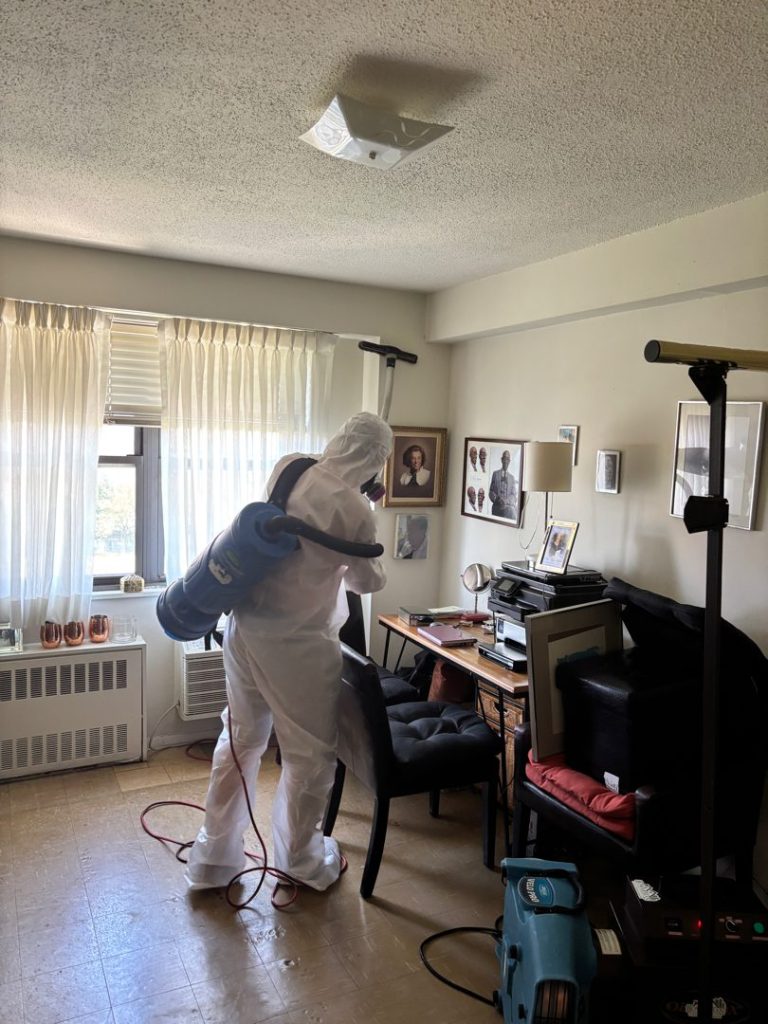
Biohazard cleanup vs crime scene cleanup differs most clearly in the legal steps that come first. In NY, biohazard cleanup is the work of addressing blood, bodily fluids, and related materials. Crime scene cleanup is that work done at a location that was, or still may be, part of a police investigation. Police tape adds requirements: a release date, evidence concerns, and a clear rule that cleanup does not start while the scene is still under official control. The cleaning methods after release are still biohazard methods. The order and the permissions are what change.
Written by the Bowerman Cleaning and Restoration Team · November 12, 2026
Key Takeaways
- A crime scene should not be cleaned until it has been officially released.
- Biohazard methods still apply after release: assessment, containment, removal or cleaning, disinfection, and documented waste.
- Cleanup crews do not investigate and should not be asked to handle or move possible evidence.
- Owners, managers, and families should get clear word of release before anyone is hired to enter and clean.
In This Guide
- What Is the Difference Once the Words Are Stripped Down?
- Why Does Official Release Matter So Much?
- What Happens After the Scene Is Released?
- What Should Be Confirmed When Hiring After a Crime Scene?
- Biohazard Cleanup vs Crime Scene Cleanup FAQs
What Is the Difference Once the Words Are Stripped Down?
Short answer: crime scene cleanup is biohazard cleanup that cannot begin until law enforcement has released the site. Before that point, entry and cleaning can disturb a case and may be prohibited.
| Question | Biohazard cleanup in general | Crime scene cleanup |
|---|---|---|
| When it can start | Once the site is safe to enter and an assessment can be done | Only after official release, even if responders have already left the curb |
| Extra steps | Assessment, scope, and occupant safety | Confirmation of release, respect for any remaining official instructions |
| Methods after that | Containment, cleaning or removal, disinfection, waste records | The same biohazard methods |
| Who is in charge at first | The property owner or manager, once it is safe | Law enforcement, until release is given |
Not every biohazard job is a crime scene. A medical incident at home may need biohazard work with no police involvement. Not every crime scene will need a large cleanup, but when blood or bodily fluids are present, the work after release is still a biohazard job rather than regular housekeeping.
Why Does Official Release Matter So Much?
Short answer: because the site may still be evidence until someone with authority says otherwise. A well-meaning cleanup can damage a case and put the person who cleaned at risk.
First responders leaving is not the same as release. Tape may come down later than the last marked car. The owner, a family member, or a building manager should receive a clear indication that cleanup may proceed. If that is unclear, the next call is back to the investigating agency, not to a cleaner to “just start.”
Photographing for insurance should also wait until it is allowed. After release, photos from a safe vantage can help a claim, but they should not include handling items that might still be of official interest if any instructions remain.
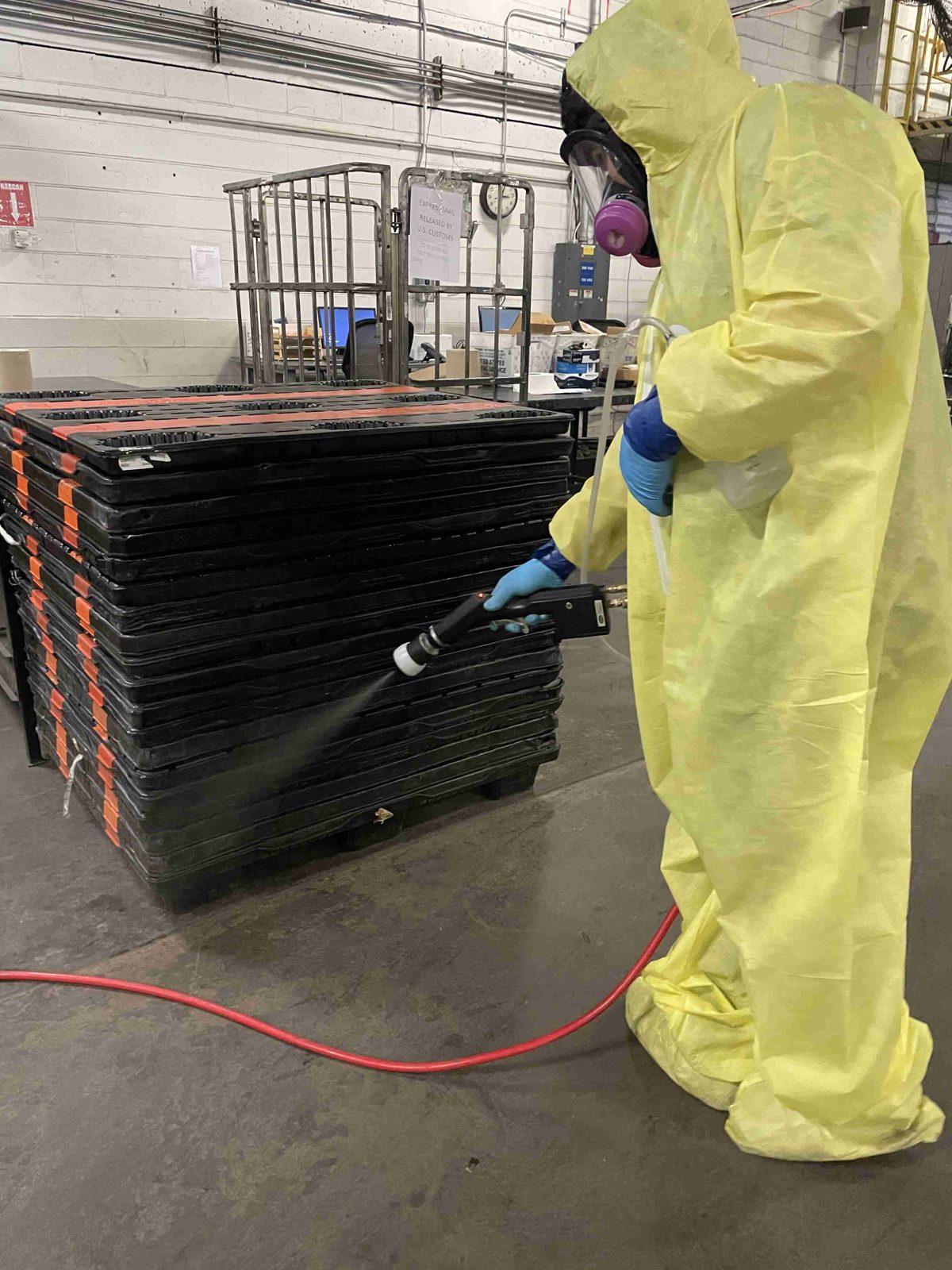
Until that release is given, well-meant cleaning can disturb a scene or expose the person who is trying to help. Relatives, landlords, and building staff should not be asked to enter and tidy while official work is still underway. Once the property is released, the cleanup is no longer an investigative task, but it is still a biohazard task. That distinction is the heart of this comparison, and it is why a crime-scene label on a file should always be paired with a date or a notice of release before work begins.
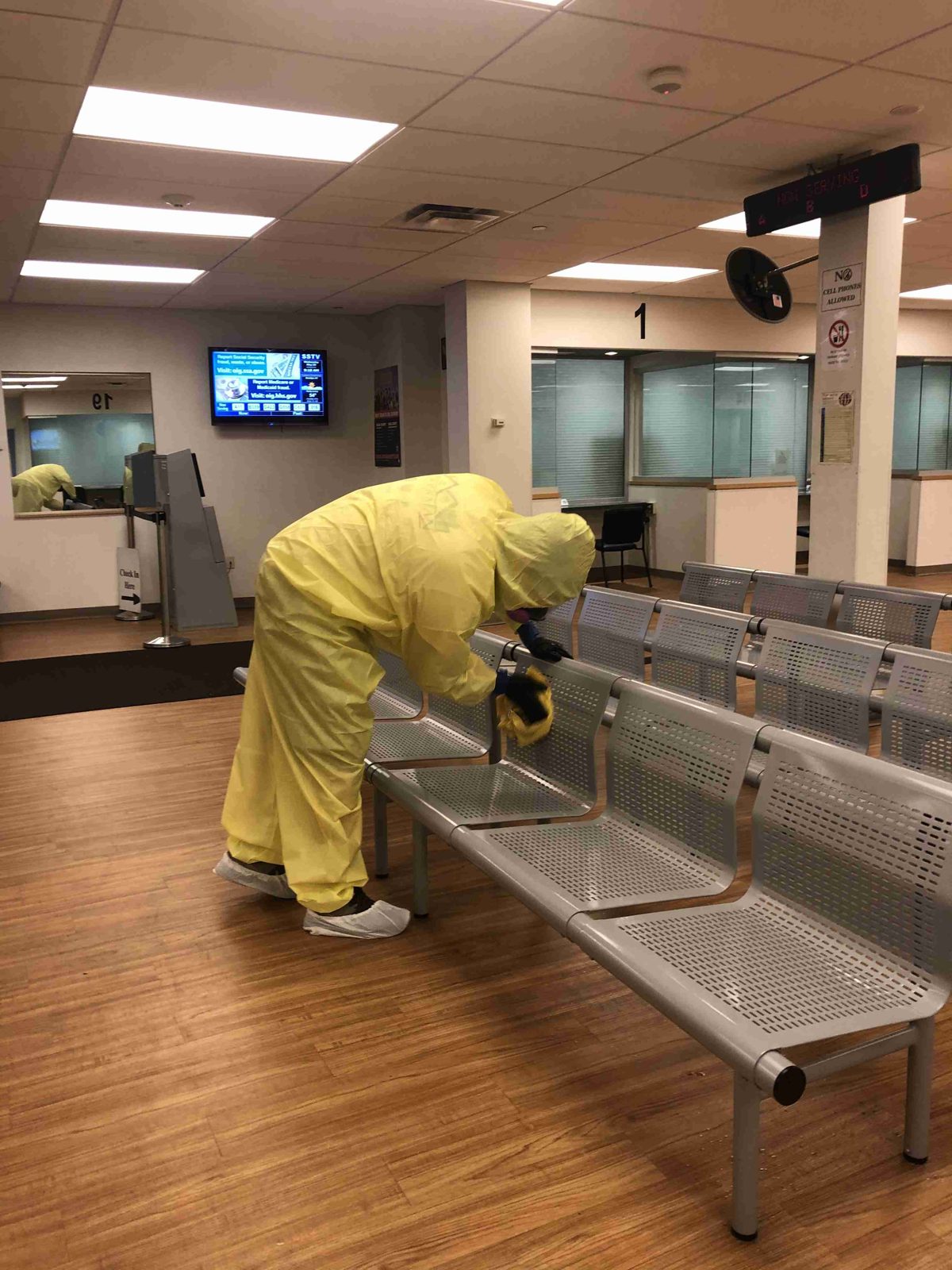
Facing a biohazard cleanup in Westchester County, NY? Bowerman Cleaning and Restoration answers 24/7, discreetly.
What Happens After the Scene Is Released?
Short answer: a biohazard firm assesses, proposes a scope, and completes the work with the same controls used on other biohazard jobs. The history of the event does not change the need for protective equipment and proper waste handling.
The OSHA bloodborne pathogens page still applies to the workers who enter. Families should stay out of the affected rooms. Biohazard remediation is the service page for this work.
If the property also has water damage or a sewage problem connected to the same event, those portions follow their own steps. See what water damage restoration is and sewage damage cleanup. For first actions around a water loss in general, what to do first after water damage is a practical related guide.
What Should Be Confirmed When Hiring After a Crime Scene?
Short answer: that the firm understands release, will not search for or keep possible evidence, and will document waste and the finished scope. Discretion in a neighborhood or a building is also a reasonable request.
Ask the company to confirm it will not start until release is in hand. Ask how arrival and parking will be handled. Ask who receives the waste records and the final description of materials removed. Those habits protect the family and the later claim file.
A building manager or a family should also confirm how the company will coordinate access, parking, and discretion in a shared hallway or a close neighborhood, and how removed materials will be listed. Those records help later if a landlord, an insurer, or a public agency asks what left the property. The documentary habit is similar to the one described in water damage insurance coverage and in fire damage insurance claims, even though the event is different: photos, a written scope, and a waste record are easier to produce on the day than to reconstruct later. Hidden water damage signs is also relevant when fluids have traveled into a pad or a wall cavity that did not look involved from the doorway.
Biohazard Cleanup vs Crime Scene Cleanup FAQs
Can cleanup start when the police cars have left?
Not necessarily. Official release is the signal, not the last time a car was visible at the curb.
Is crime scene cleanup different in method from other biohazard work?
After release, the methods are biohazard methods. The difference is the permission and timing required before anyone starts.
Should a family member enter to collect valuables first?
Only if it is safe and allowed. If the scene has not been released, or if entry would mean walking through contamination, wait and ask.
Does the cleanup company work with the police?
The company should follow release instructions and should not treat the visit as an investigation. Any official request takes precedence.
Will insurance treat a crime-related cleanup differently?
Coverage depends on the policy and the event. Keep the release information, the scope, and the invoices. An insurer or an attorney can interpret the contract.
Sorting out biohazard cleanup vs crime scene cleanup in Westchester NY? Bowerman Restoration LLC d/b/a Bowerman Cleaning & Restoration, 7 Intervale Street, White Plains, NY 10606, answers 24/7 at (844) 269-3762.