
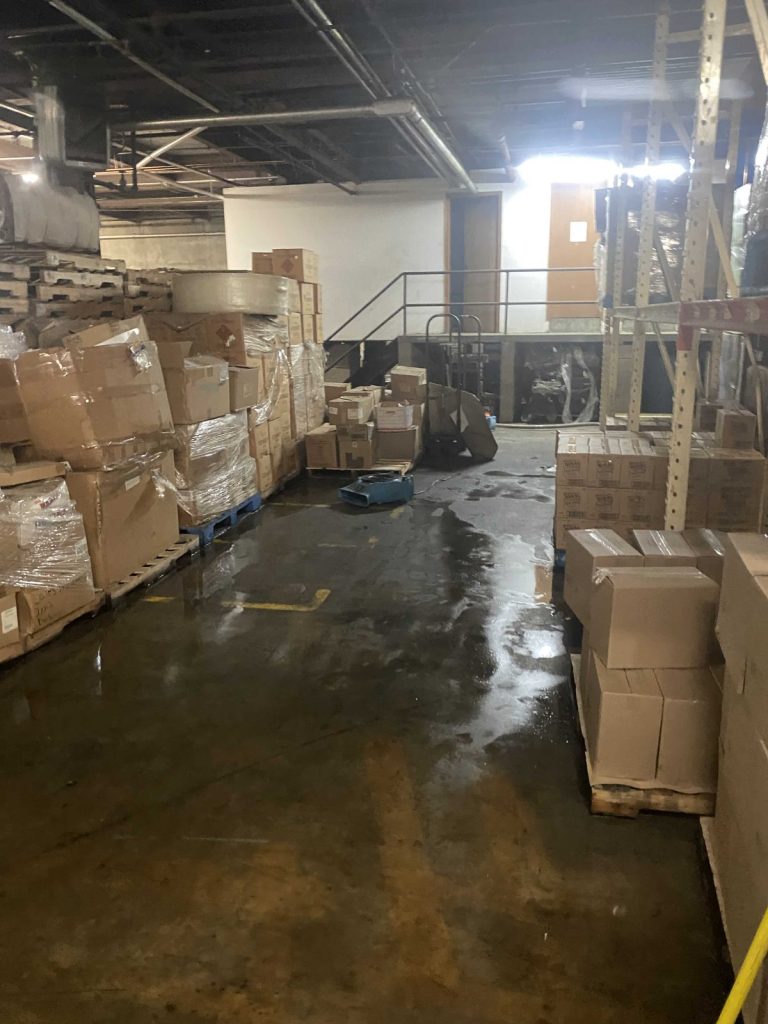
Sewage cleanup health risks come from what wastewater carries: bacteria, viruses, and parasites that can cause stomach illness, skin and eye infections, and breathing irritation. In NY homes, the risk rises with direct contact, splashing, and stirred-up air, which is why distance, protective gear, and controlled removal matter more than speed.
Written by the Bowerman Cleaning and Restoration Team · August 19, 2026
Key Takeaways
- Wastewater can carry bacteria, viruses, and parasites that make people sick through contact or ingestion.
- Exposure happens through hands, cuts, splashes to the eyes or mouth, and airborne droplets.
- Children, older adults, pregnant people, and anyone with a weakened immune system should stay well away.
- Hidden moisture left after a rushed cleanup can lead to odor and microbial growth later.
In This Guide
- What Is in Sewage That Makes It Risky?
- How Does Exposure Happen During Cleanup?
- Who Is Most at Risk?
- How Can Health Risks Be Reduced?
- Sewage Cleanup Health Risks FAQs
What Is in Sewage That Makes It Risky?
Short answer: human waste and everything that travels with it, plus whatever the water picked up on its way in.
| Hazard | How exposure usually happens | Common effects |
|---|---|---|
| Bacteria | Hand-to-mouth contact, cuts, splashes | Stomach and intestinal illness, wound infection |
| Viruses | Ingestion, contact with eyes or mouth | Stomach illness and other infections |
| Parasites | Swallowing contaminated water or residue | Intestinal illness |
| Gases and odor | Breathing in a closed space | Headache, nausea, irritation |
| Chemicals and debris | Contact with skin, sharp objects in the water | Skin irritation, cuts that can become infected |
This table is general information, not medical advice. Anyone who feels ill after contact with wastewater should contact a doctor. The live comparison biohazard cleanup vs sewage cleanup explains why sewage is treated with pathogen-aware methods. A full overview of the work is in what is sewage damage cleanup.
How Does Exposure Happen During Cleanup?
Short answer: mostly through direct contact and splashing, and through stirring up contaminated droplets and dust.
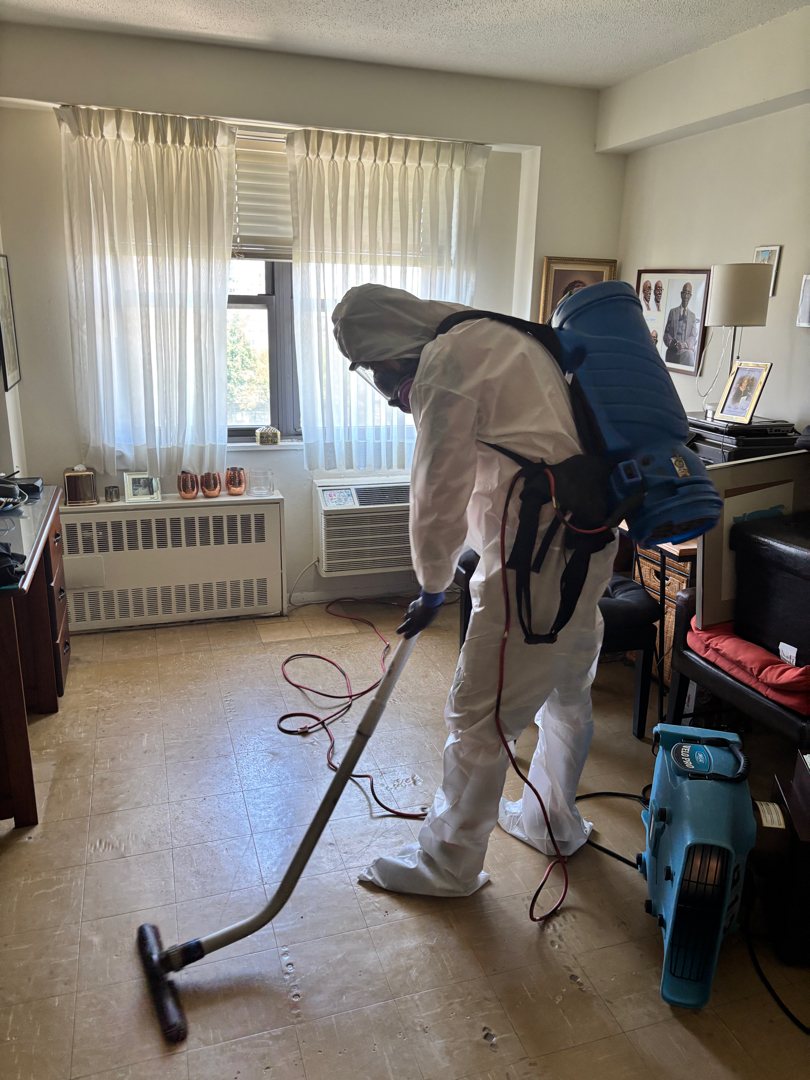
Mopping and wet-vacuuming push wastewater around and throw fine droplets into the air. Tearing out soaked drywall without protection puts contaminated material close to the face. Walking through the area and then into clean rooms spreads residue on shoes. Eating, drinking, or touching the face with gloved or unwashed hands is a direct route in.
- Open cuts or scrapes on hands and legs.
- Splashes to the eyes, nose, or mouth.
- Breathing droplets from mopping, spraying, or fans.
- Tracking residue into kitchens, bedrooms, and cars.
OSHA lists these same routes among the hazards of flood and wastewater response, along with electrical and slip risks. Many of the same errors appear in water damage mistakes.
Sewage backup at a Westchester County, NY property? Bowerman Cleaning and Restoration answers 24/7.
Who Is Most at Risk?
Short answer: people with weaker defenses and anyone who handles the water directly without protection.
Young children crawl and put hands in their mouths. Older adults and people with chronic illness or weakened immune systems can get sicker from the same exposure. Pregnant people are usually advised to stay away. Pets walk through the water and then onto furniture. The person most exposed, though, is often the homeowner who starts cleaning before help arrives.
For these reasons, the first step in what to do first after water damage (keep people out) matters even more with sewage.
How Can Health Risks Be Reduced?
Short answer: keep distance, stop the source, leave the cleanup to people in proper gear, and make sure the area is truly clean and dry before it is used again.
- Close off the area. Shut doors, keep children and pets away, and avoid walking through the water.
- Stop the inflow. Stop using water in the house until the line is cleared.
- Wash hands thoroughly. Anyone who touched water or soaked items should wash with soap and clean water right away.
- Use protective equipment. Cleanup crews use gloves, boots, eye protection, and respiratory protection suited to the job.
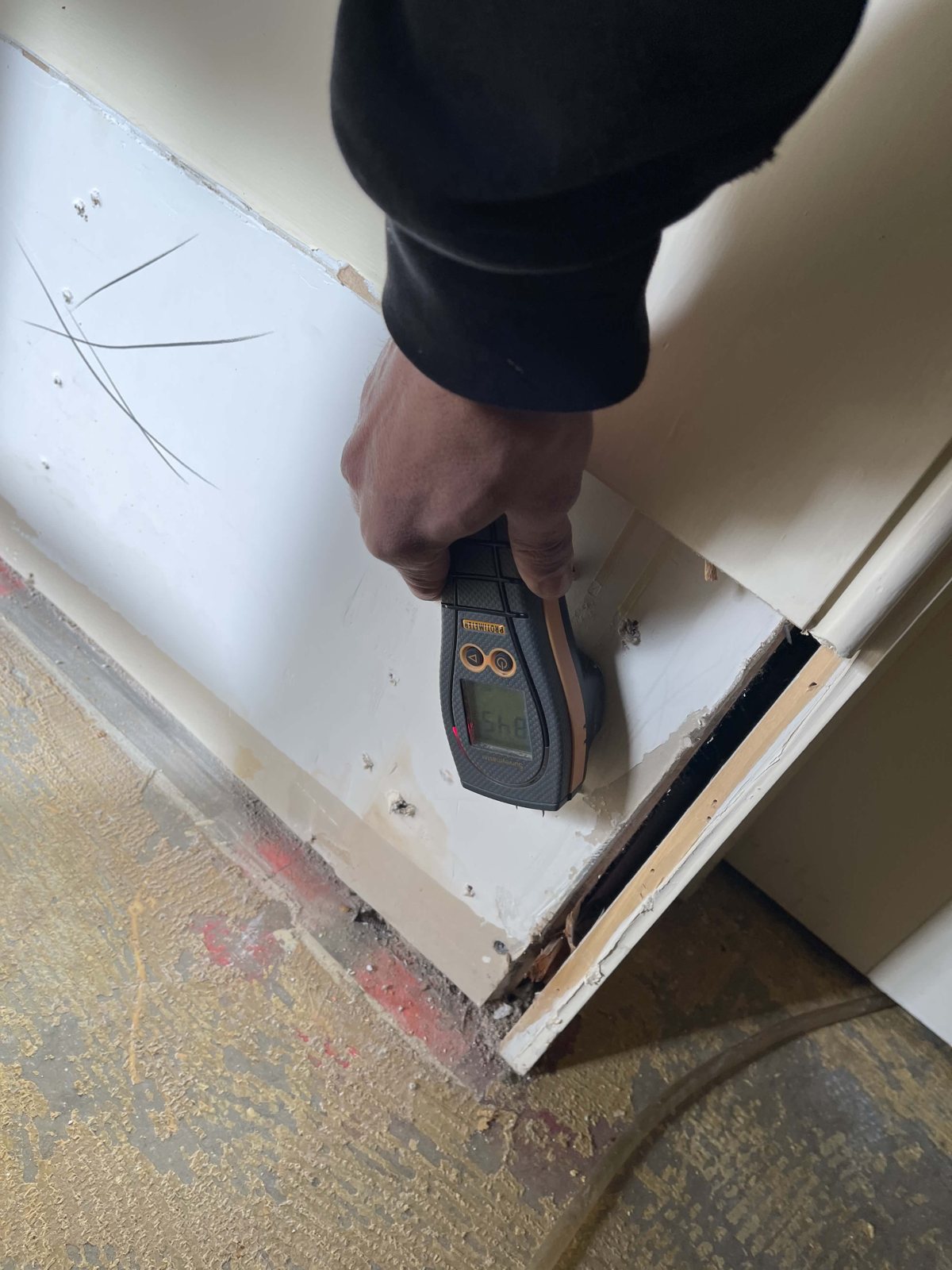
- Remove, clean, disinfect, dry. Soaked porous materials come out, surfaces are cleaned and disinfected, and drying is confirmed with readings.
Leftover moisture is a slower health issue. Wet framing and subfloor can support microbial growth for weeks after the water is gone, which is covered in mold growth after water damage. The sewage damage cleanup and restoration page outlines the full contaminated-water process, and the EPA explains why municipal sanitary sewer overflows are treated as a public health concern.
Sewage Cleanup Health Risks FAQs
Can someone get sick from the smell of sewage?
The odor itself is mostly a sign of gases and contamination. In a closed space it can cause headache or nausea, so ventilate from outside the area and limit time inside until cleanup is done.
What should be done after touching sewage water?
Wash with soap and clean water, clean any cuts, and change clothes. If symptoms such as fever, vomiting, or a red, swollen wound appear, contact a doctor.
Is it safe to sleep in the house during cleanup?
Usually, if the affected area is sealed off and the rest of the home is unaffected. Large backups or HVAC involvement may make staying elsewhere the safer choice.
Are pets at risk?
Yes. Pets walk through and may drink the water, so keep them out of the area and wash their paws if they had contact.
Does disinfecting remove all the risk?
Disinfecting works only after soaked materials are removed and surfaces are cleaned. Skipping removal or drying leaves risk behind.
Worried about sewage cleanup health risks in a Westchester NY home? Bowerman Restoration LLC d/b/a Bowerman Cleaning & Restoration, 7 Intervale Street, White Plains, NY 10606, answers 24/7 at (844) 269-3762.