
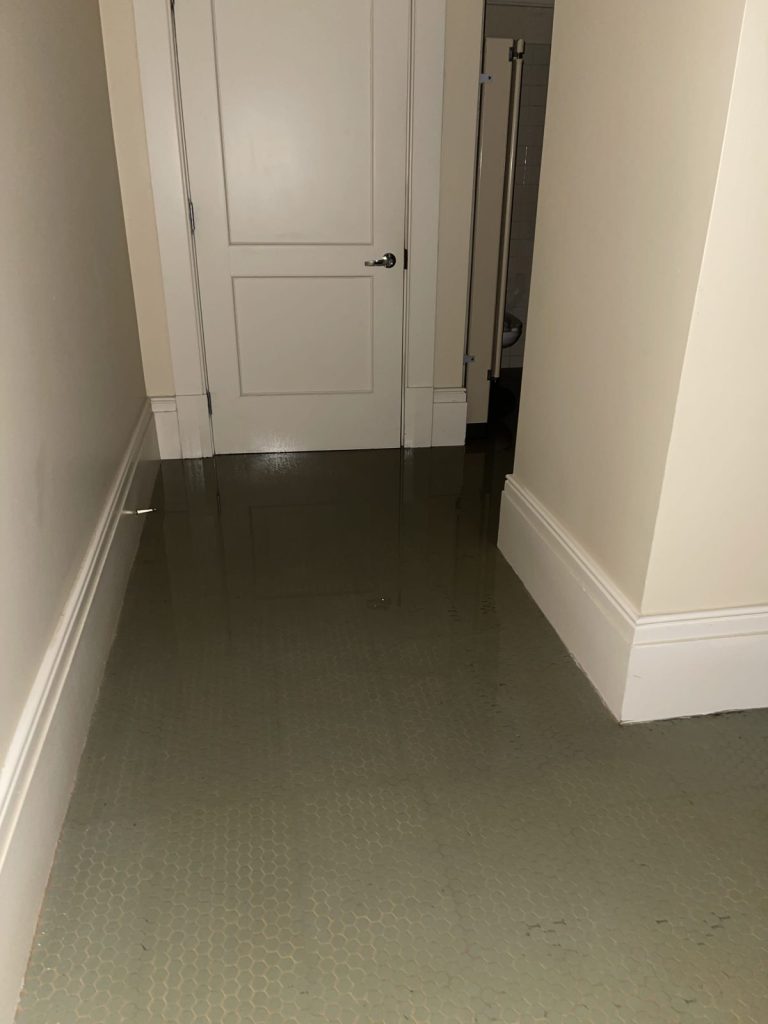
What to do first after storm damage in a NY home starts with safety, then with a few clear photographs, then with stopping more water from coming in if that can be done without new risk. Power may be out. Water may already be on the floors. A roof may be open. The first hour is not the time to start a remodel or to climb a wet, damaged roof. It is the time to keep people safe, to record the loss, and to limit what the next rain can do.
Written by the Bowerman Cleaning and Restoration Team · November 19, 2026
Key Takeaways
- Treat downed lines, standing water near electrical equipment, and sagging ceilings as hazards, not as cleanup tasks.
- Take clear photographs from safe ground as soon as it is reasonable.
- If it can be done safely, stop more weather from entering with a temporary cover or by closing an opening.
- Then arrange extraction and drying for water that is already inside, rather than waiting for a permanent roof date.
In This Guide
- What Are the First Safety Steps?
- What Should Happen Right After Everyone Is Safe?
- What About Water That Is Already in the House?
- Who Should Be Called, and in What Order?
- What to Do First after Storm Damage FAQs
What Are the First Safety Steps?
Short answer: get people and pets to a safe place, stay away from downed lines, and do not enter rooms that look structurally unsafe. No photograph or tarp is worth an injury.
- Check on people first. Move out of rooms with falling debris, sparking wires, or a ceiling that is bowing under water.
- Assume downed lines are live. Keep a wide distance and report them. Do not try to move a limb off a line.
- Use caution with generators and cooking. Carbon monoxide is a risk if fuel-burning equipment is used indoors or too close to an opening. Ready.gov’s severe weather guidance emphasizes these same points.
- Watch for electrical shock indoors. Stand off from standing water if outlets, appliances, or a service panel may be involved until the power situation is clear.
These steps are close to what to do first after water damage, with the added storm hazards of wind, trees, and damaged openings. If a fire was also part of the event, what to do first after a house fire applies as well.
What Should Happen Right After Everyone Is Safe?
Short answer: photograph the damage, then limit further rain or wind if that can be done from a safe place. Do not climb onto a damaged roof to get a better picture or a better tarp.
Photos of the openings, the wet rooms, and damaged contents help later with insurance and with the scope of work. Shoot from the ground or from inside a stable room. Then, if a broken window can be closed or boarded from inside, or if a professional can tarp the roof, that temporary dry-in keeps the next band of weather from doubling the loss.
What storm damage restoration is explains how that dry-in fits the larger job. The storm damage service page describes the work as well.
If the opening cannot be covered the same day, keep people out of the rooms that are still receiving weather and move what belongings can be saved to a dry, safe area after they are photographed. A second rain on an uncovered opening is one of the most common ways a manageable loss becomes a much larger interior job. Temporary protection is not vanity; it is the step that protects the later claim and the later repairs.
Storm damage at a Westchester County, NY property? Bowerman Cleaning and Restoration answers 24/7.
What About Water That Is Already in the House?
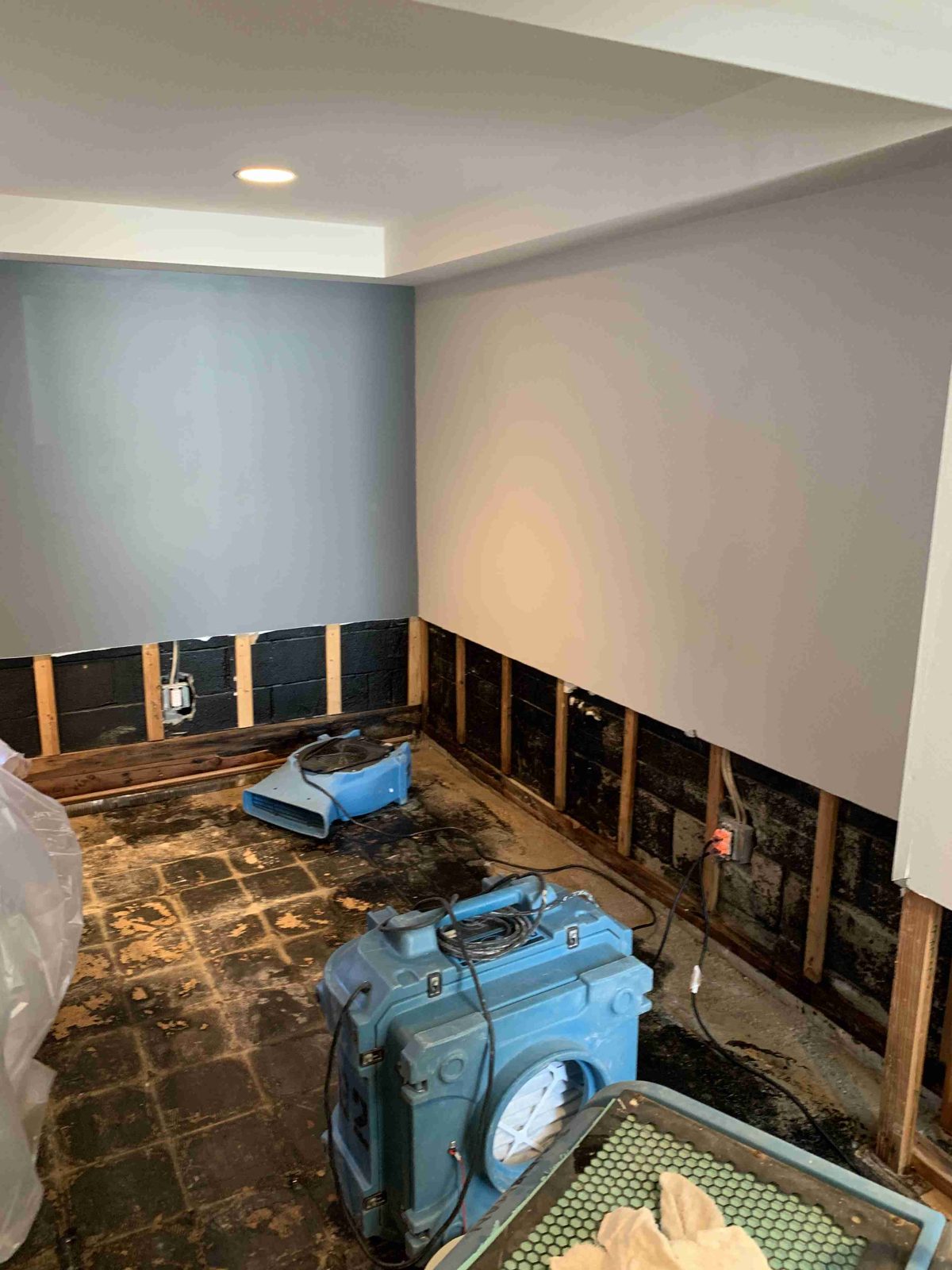
Short answer: it still has to be addressed, even after the opening is covered. A dry-in stops new rain; it does not dry the rooms that are already wet.
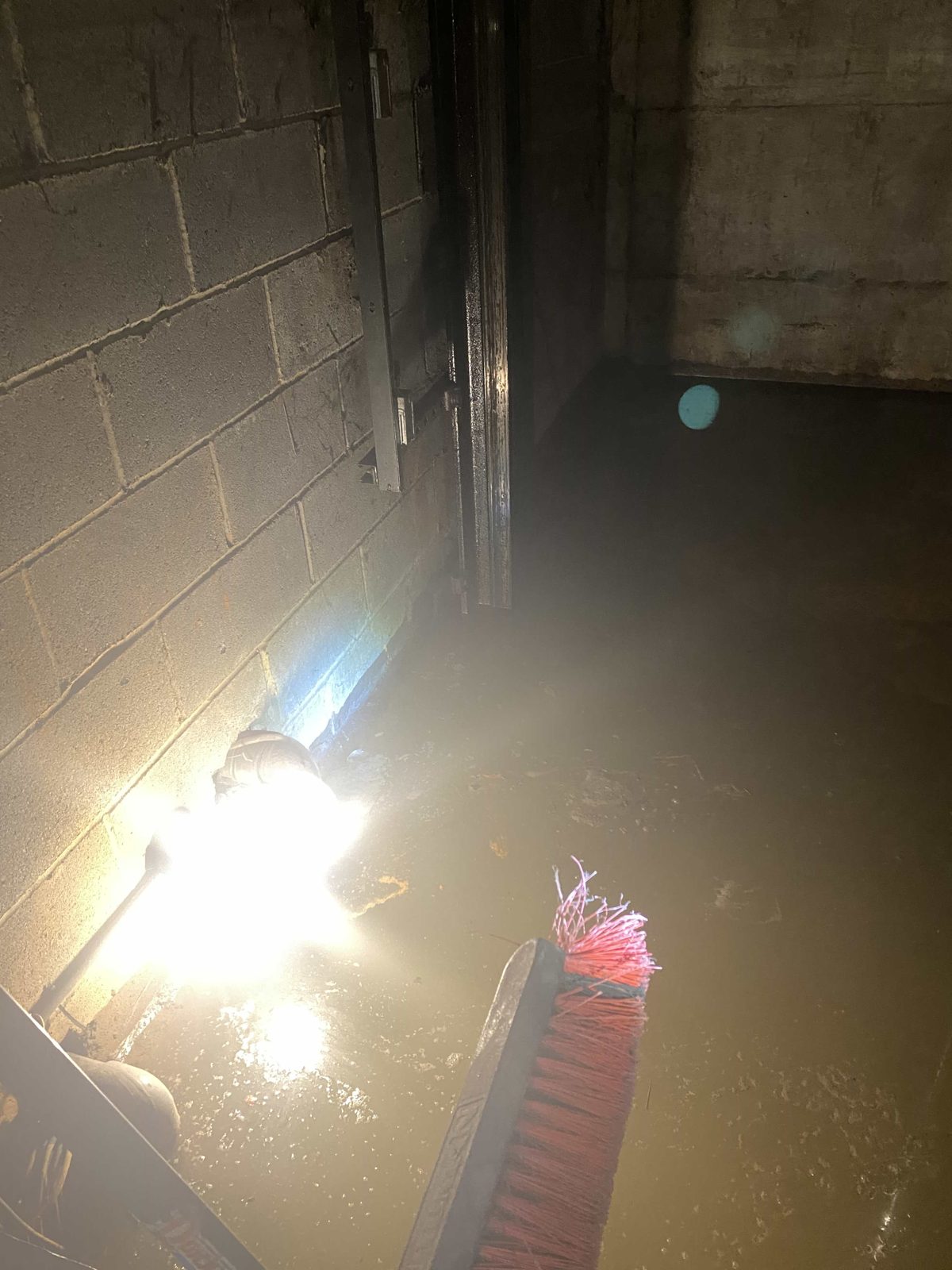
Remove what water can be removed safely, keep traffic off soaked floors when possible, and arrange a proper extraction and drying plan. What water damage restoration is and the water damage drying process describe that work. If the storm drove water into a basement, the case study on basement flood restoration after heavy rain is a related live guide. Do not wait for a permanent roof appointment to start drying, or wet materials will sit longer than they should.
Who Should Be Called, and in What Order?
Short answer: emergency services if anyone is hurt or a line is down, then the insurer, then help for temporary protection and drying. One call can often start both the dry-in and the interior drying, but safety notifications come first.
If a tree is on the house, the first steps are slightly more specific and are covered in what to do first after tree damage. The article on what restoration involves when a tree hits a house describes the later restoration work, not the first-hour safety list.
Neighbors, a building manager, or a town alert may also need a call if a shared line, a blocked road, or a leaning tree threatens more than one property. Inside the house, it helps to shut off water or electricity only when that can be done safely and when it clearly limits further damage. Do not wade in to throw a breaker. Do not use an ordinary shop vacuum on water whose source is unknown, and do not start a tear-out in the dark. Hidden water damage signs can wait until the first-hour hazards are controlled; it is the right follow-up once it is safe to look past the standing water.
What to Do First after Storm Damage FAQs
Should the power company be called first?
Yes, if lines are down, a service drop is damaged, or there is any chance of a live wire. That call comes before cleanup.
Is it safe to go into the attic after a storm?
Only if the structure looks sound and there are no electrical hazards. A sagging ceiling or a dark, wet attic is a reason to wait for an evaluation.
Can a homeowner put on a tarp?
Only from a safe location, and never near power lines or on a steep, damaged roof in bad weather. Many first tarps are better left to a crew that can work safely.
Should wet belongings be thrown away immediately?
Photograph them first if they may be part of a claim, then move what can be saved to a dry area. Disposal can follow once there is a record.
What if the rain is still falling?
Stay safe, document what can be seen from shelter, and arrange a dry-in as soon as conditions allow. Interior drying still follows once the active incoming water is controlled.
Looking for what to do first after storm damage in a Westchester NY home? Bowerman Restoration LLC d/b/a Bowerman Cleaning & Restoration, 7 Intervale Street, White Plains, NY 10606, answers 24/7 at (844) 269-3762.