
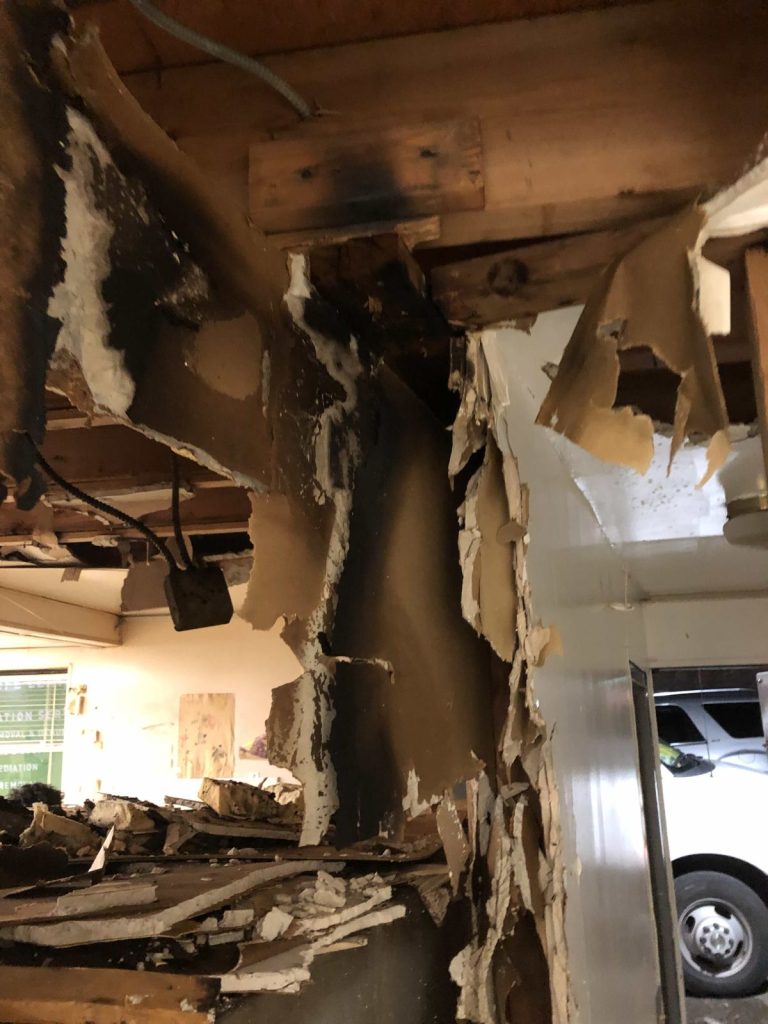
Asbestos after fire or water damage is a concern in older NY homes because the damage itself can disturb materials that were stable while intact. Heat can crack pipe wrap and ceiling coatings. Water can loosen floor tile mastic, soak plaster, and collapse insulation. Firefighting, extraction, and tear-out can break those materials further. Cleanup then has to account for possible asbestos before general demolition starts, even though the first hours of a loss are about safety and stopping the damage.
Written by the Bowerman Cleaning and Restoration Team · July 27, 2026
Key Takeaways
- Fire and water can turn intact materials into damaged ones, which raises the chance of fiber release.
- In older homes, suspect materials should be sampled before tear-out of the damaged area.
- Emergency steps still come first: safety, stopping water, and boarding up, without cutting suspect materials.
- Abatement, when needed, is sequenced with drying and soot cleanup, not after a full demolition.
In This Guide
- Why Does Fire or Water Damage Raise Asbestos Concerns?
- What Should Happen First After the Fire or the Water Event?
- How Does Asbestos Change the Order of Cleanup?
- How Does Insurance Handle Asbestos After a Loss?
- Asbestos after Fire or Water Damage FAQs
Why Does Fire or Water Damage Raise Asbestos Concerns?
Short answer: because the damage breaks materials down, and the cleanup that follows usually involves cutting and removing them. That is the moment fibers are most likely to be released.
- Heat can crack and dry out pipe lagging, boiler insulation, and textured ceilings.
- Water can loosen floor tile, saturate plaster, and pull down ceilings that contain older coatings or insulation.
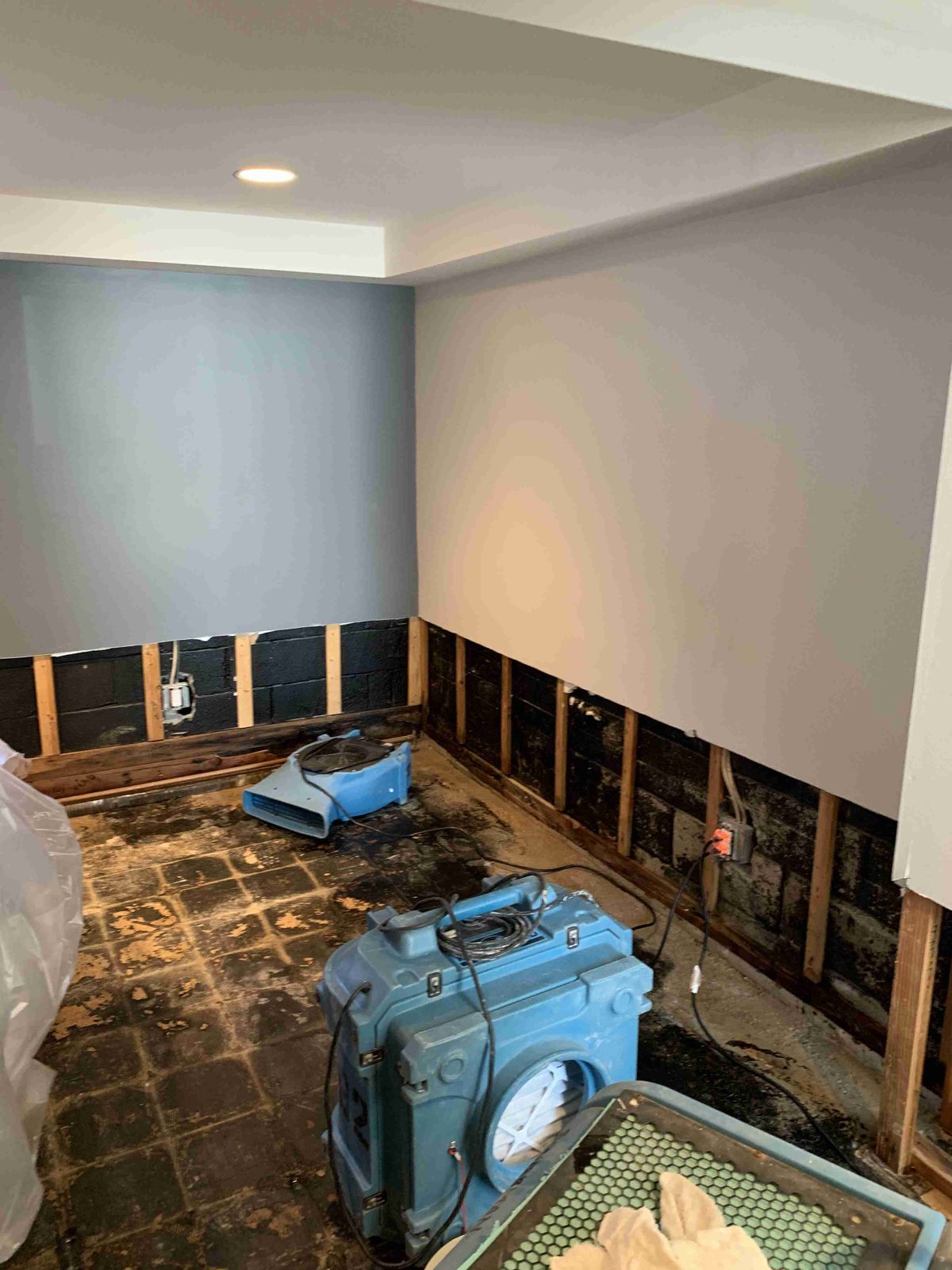
- Tear-out of wet drywall, flooring, and insulation is a standard step in water damage restoration.
- Demolition of burned finishes is common in fire damage restoration.
In homes built before about 1980, those steps should not start in earnest until suspect materials in the damaged area have been identified. Fire does not destroy asbestos. Heat can make the material more friable, but the fibers remain. Wet material may release fewer fibers while it is wet, then release more as it dries or is pulled apart. The EPA advice on protecting your family from asbestos still applies after a loss: leave suspect material alone until it is checked.
Hidden fire damage and hidden water damage signs are also relevant, because the path of smoke or water can reach rooms that look almost untouched and still hold older floors, ceilings, or pipe wrap.
What Should Happen First After the Fire or the Water Event?
Short answer: make the site safe, stop further damage, and avoid tearing out suspect materials until they can be sampled. Extraction and boarding-up can often start right away; demolition should wait.
Life safety and utility control come first. Gas, electricity, and structural hazards have to be handled before anyone thinks about asbestos. Standing water should be extracted, and openings should be boarded or tarped, following the usual first steps in what to do first after a house fire or what to do first after water damage. Contents can be protected and, where it is safe, moved out of the wet or soot-covered area.
What should not happen in those first hours is indiscriminate tear-out of older flooring, ceiling coatings, or mechanical insulation. Cutting those materials to speed drying can spread fibers into rooms that were not otherwise affected. If the house is older, an independent licensed inspector should be brought in as soon as the site is safe to enter, so sampling can run in parallel with the early drying steps that do not disturb those materials.
Planning work around suspect asbestos material in Westchester County, NY? Bowerman Cleaning and Restoration answers 24/7.
How Does Asbestos Change the Order of Cleanup?
Short answer: emergency work first, then sampling, then abatement where materials are confirmed, then the rest of the drying, cleaning, and rebuild. Waiting on lab results can feel slow, but it prevents a second contamination problem.
- Make the site safe. Shut off utilities as needed, board up, and stop active water.
- Limit further damage. Extract standing water and protect contents without cutting suspect materials.
- Sample suspect materials. An independent licensed inspector collects samples for an accredited lab.
- Abate where confirmed. Containment, removal or sealing, and clearance happen before general tear-out in those areas.
- Resume restoration. Drying, soot cleanup, and rebuild continue as planned.
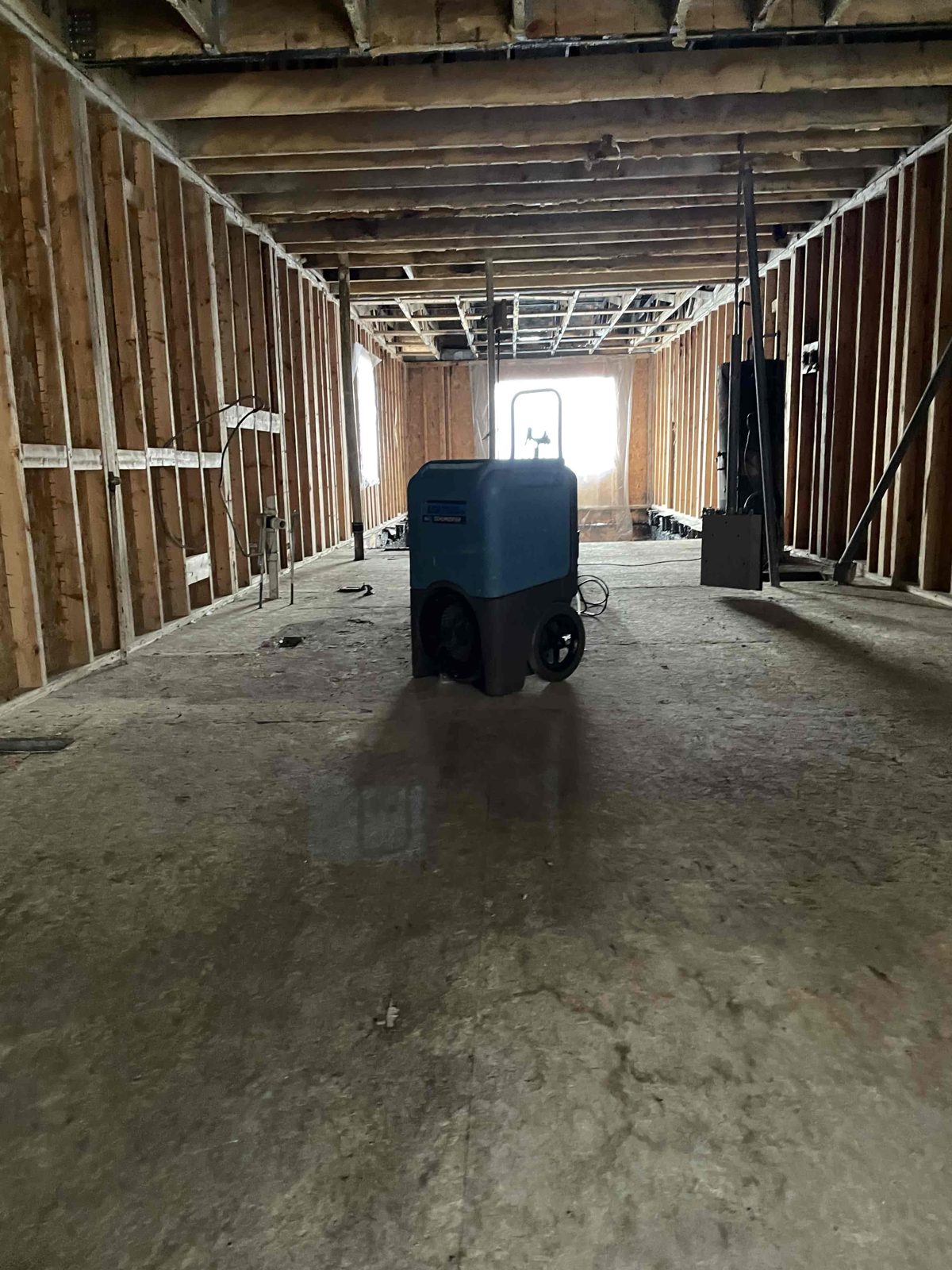
The water damage drying process and the step by step fire damage cleanup process both fit around this sequence. Water damage after a fire is a common combined case, because suppression water can soak the same rooms the fire already stressed. In that situation, both soot and moisture have to be managed without skipping the sampling step.
How Does Insurance Handle Asbestos After a Loss?
Short answer: when a covered fire or water loss disturbs asbestos, the abatement may be part of the claim, but policies vary. Clear records help the adjuster see why the work was needed.
Keep photographs, the lab results, the abatement scope, air sampling reports, and disposal records. Share them with the adjuster early. Planned removal that was already on a remodel list is treated differently from removal required because a covered loss broke the material. Fire damage insurance claims and water damage insurance coverage explain the claim side in more depth.
For the abatement itself, see asbestos removal and abatement, and for how the work is defined, what is asbestos abatement and how asbestos abatement is done.
Contents can also be part of the picture. Soft goods and hard surfaces in a fire- or water-damaged room may have settled dust on them if older materials were broken during the event or during an early tear-out. Those items should be handled with the same caution as the building materials until the situation is assessed. Photographing rooms before any demolition, and keeping a list of what was moved or discarded, helps both the restoration plan and the insurance file.
Asbestos after Fire or Water Damage FAQs
Should drying wait for asbestos results?
Extraction and dehumidification can usually start, but cutting or removing suspect materials should wait for results.
Does fire destroy asbestos?
No. Heat can damage the binder around the fibers and make the material more friable, but the fibers remain.
Can wet asbestos still release fibers?
Wet material generally releases fewer fibers while it is wet, but it can release them as it dries or is handled.
Is every older home affected after a fire or a flood?
No. Many have no asbestos in the damaged area. Sampling of the materials that will be torn out is what answers the question.
Who samples the materials after a loss?
An independent licensed inspector, with analysis by an accredited lab, once the site is safe to enter.
Concerned about asbestos after fire or water damage in a Westchester NY home? Bowerman Restoration LLC d/b/a Bowerman Cleaning & Restoration, 7 Intervale Street, White Plains, NY 10606, answers 24/7 at (844) 269-3762.