
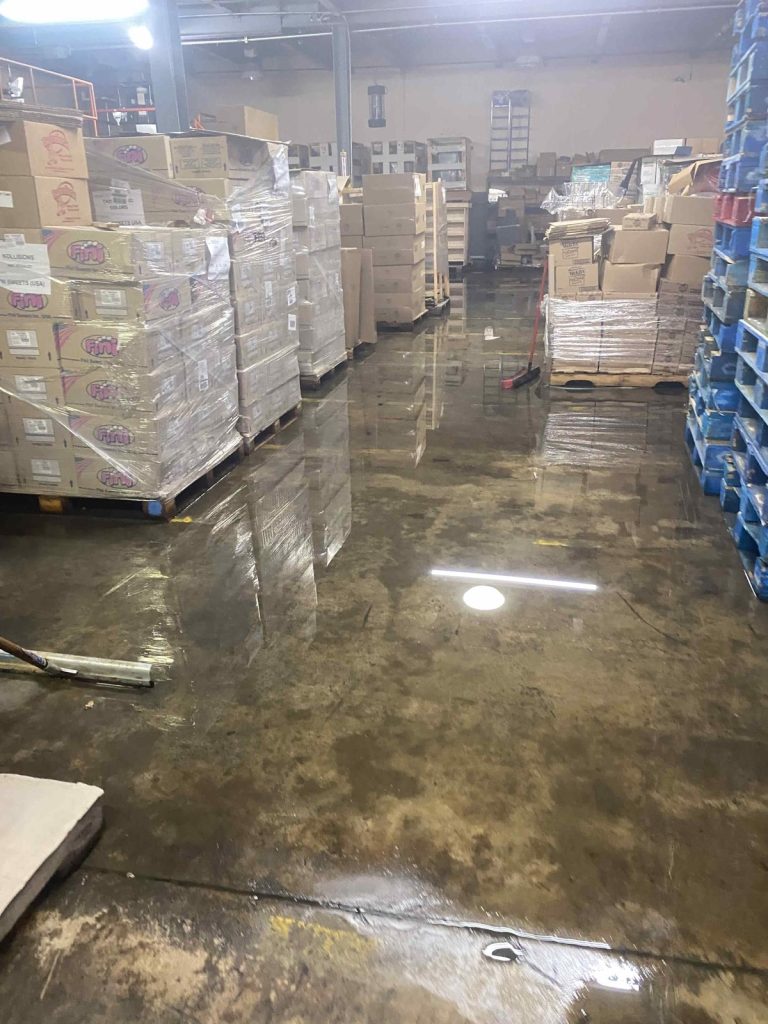
Category 3 water damage is the restoration term for grossly contaminated water: sewage, toilet backflow carrying waste, rising floodwater from outside, and water that has sat long enough to turn. In NY homes it changes the job from drying to removal, because soaked porous materials such as carpet, pad, and drywall usually cannot be saved.
Written by the Bowerman Cleaning and Restoration Team · August 17, 2026
Key Takeaways
- Category 3 is the most contaminated of the three water categories used in restoration.
- Sources include sewage, outside floodwater, and stagnant water that has degraded over time.
- Soaked porous materials are removed, while hard surfaces are cleaned, disinfected, and dried.
- Clean water can become Category 3 if it sits, travels through soil, or picks up contaminants.
In This Guide
- What Counts as Category 3 Water?
- Can Clean Water Become Category 3?
- How Is Category 3 Water Damage Handled?
- What Can Be Saved After Category 3 Water?
- Category 3 Water Damage FAQs
What Counts as Category 3 Water?
Short answer: water that is grossly contaminated and may carry bacteria, viruses, or other harmful agents.
| Category | Typical sources | What it usually means for materials |
|---|---|---|
| Category 1 (clean) | Supply line, faucet overflow, rain entering before it touches dirty surfaces | Many materials can be dried in place |
| Category 2 (gray) | Washer or dishwasher discharge, toilet overflow with urine only | Cleaning plus drying; some porous items removed |
| Category 3 (black) | Sewage, waste backflow, outside floodwater, long-standing water | Porous materials removed; surfaces cleaned and disinfected |
The category describes contamination, not volume. A small sewage spill is still Category 3, and a large supply-line leak can still be Category 1 if it is caught early. The live guide on water damage categories explains all three, and water damage category and class shows how the category pairs with the drying class. A full overview of the work is in what is sewage damage cleanup.
Can Clean Water Become Category 3?
Short answer: yes, time, temperature, and contact with dirty materials can downgrade a clean-water loss.
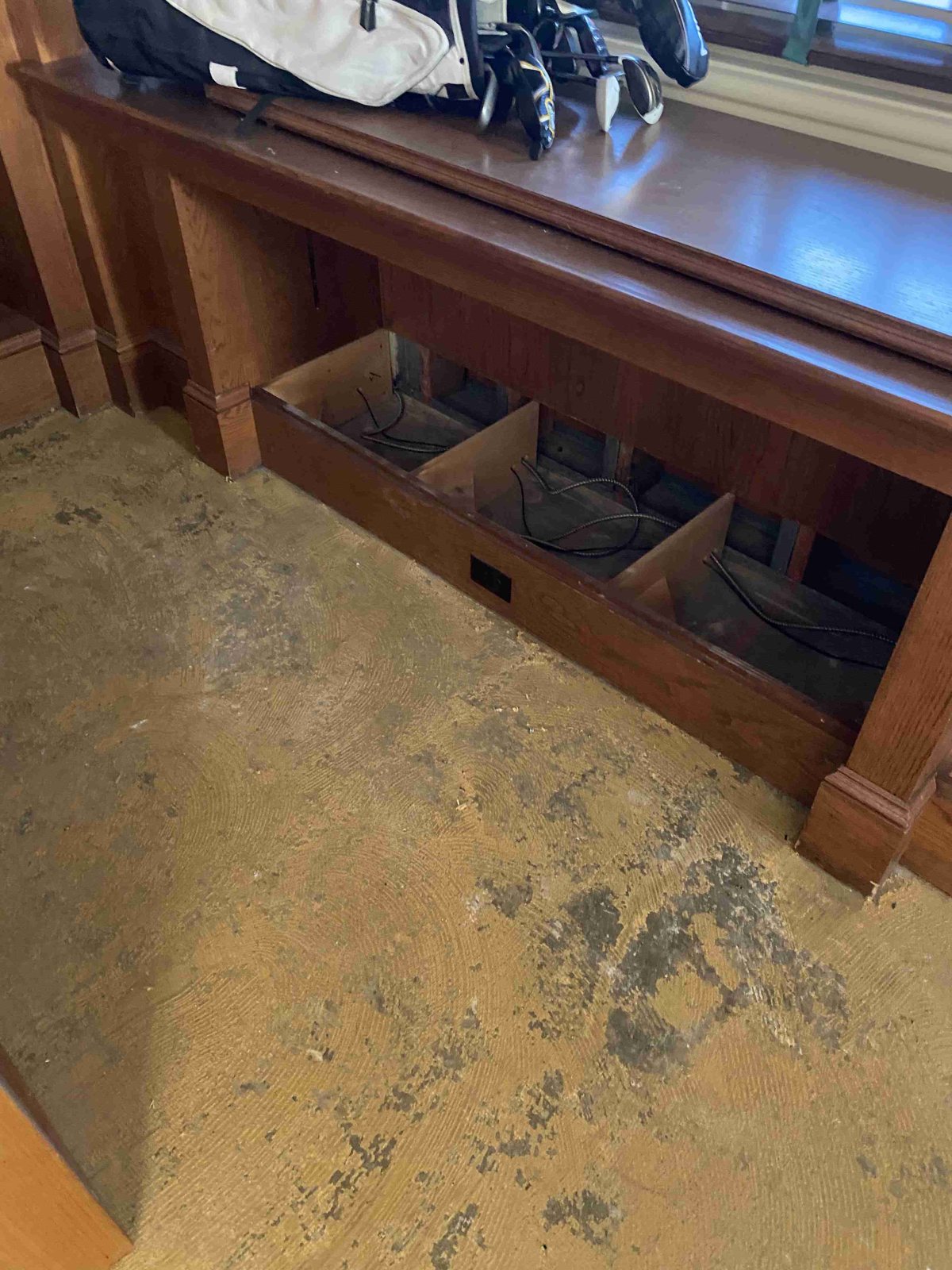
A clean leak that soaks a carpet for several warm days can grow bacteria and start to smell. Water that runs across a dirt crawl space or through a foundation picks up soil contaminants. A dishwasher overflow that reaches a floor drain and mixes with what is in the trap is no longer clean. Restoration crews judge the water at the time they see it, not only at the moment it started.
That is one reason to act fast on any leak. What to do first after water damage covers the early moves that keep a Category 1 loss from sliding into Category 3. Hidden water damage signs lists clues that a slow leak has been sitting longer than anyone realized.
Sewage backup at a Westchester County, NY property? Bowerman Cleaning and Restoration answers 24/7.
How Is Category 3 Water Damage Handled?
Short answer: contain the area, extract, remove soaked porous materials, clean and disinfect, then dry and verify.
- Contain and protect. The area is closed off and crews wear gloves, boots, eye protection, and respiratory protection suited to the job.
- Extract. Water and solids are removed with dedicated pumps and extraction units.
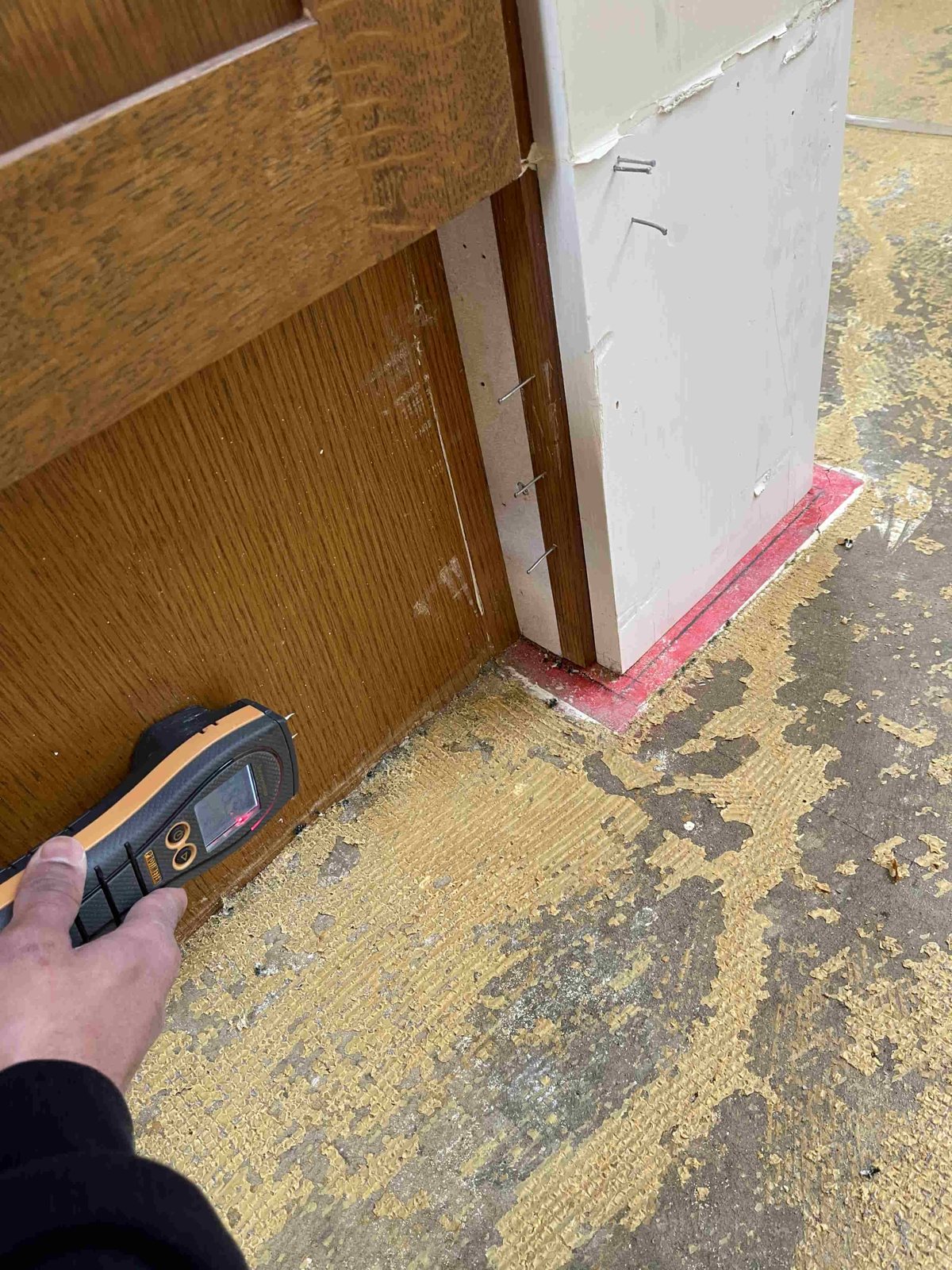
- Remove porous materials. Carpet, pad, soaked drywall, insulation, and similar materials are cut out and bagged.
- Clean and disinfect. Remaining surfaces are cleaned of residue, then treated with a registered disinfectant from the EPA disinfectant lists.
- Dry and verify. Drying equipment runs until readings show framing and subfloor are back to normal levels.
Two details often get missed. First, HVAC returns and ducts in the wet area should be checked, because a running system can carry odor and contaminated droplets to clean rooms. Second, the cut line on drywall is set by moisture readings and the visible wick line, not by a fixed height, so the crew measures before cutting. Both steps keep a contained loss from turning into a whole-house cleanup.
The drying portion matches the water damage drying process. The full service scope is on the sewage damage cleanup and restoration page.
What Can Be Saved After Category 3 Water?
Short answer: hard, non-porous items and many structural surfaces; most soaked soft goods are not worth the risk.
Metal, glass, sealed hard plastics, and solid wood framing can usually be cleaned, disinfected, and dried. Upholstered furniture, mattresses, carpet and pad, paper goods, and particleboard cabinets that soaked up wastewater are usually discarded. Some area rugs and valuable items may be candidates for specialized cleaning, but only after a careful look at the fiber and the exposure.
The live list of salvageable items after water damage is written mainly for clean-water losses, so expect the Category 3 list to be shorter. OSHA notes that floodwater response brings health hazards that make protective equipment essential during sorting.
Category 3 Water Damage FAQs
Is Category 3 the same as black water?
Yes. Black water is the everyday term for Category 3 water, the grossly contaminated category that includes sewage and outside floodwater.
Is all floodwater Category 3?
Rising floodwater from outside is generally treated as Category 3 because it carries soil, sewage, and chemicals from the area it crossed.
Can drywall be dried after Category 3 water?
Drywall that wicked up contaminated water is usually cut out above the wet line and replaced rather than dried in place.
How is the category decided?
By the source, how long the water has been there, and what it touched. A crew assesses it on site, and the category can change over time.
Dealing with category 3 water damage in a Westchester NY home? Bowerman Restoration LLC d/b/a Bowerman Cleaning & Restoration, 7 Intervale Street, White Plains, NY 10606, answers 24/7 at (844) 269-3762.