
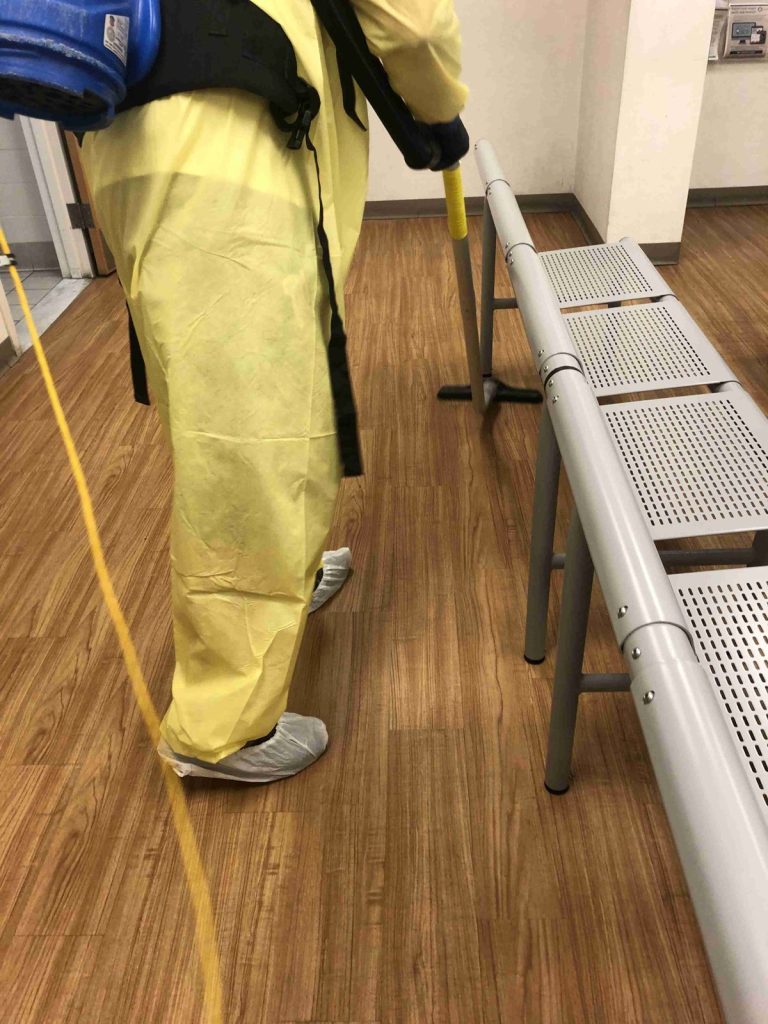
Bloodborne pathogen cleanup standards are the worker-protection rules that apply when a job involves blood or other potentially infectious materials. In NY, the federal baseline is OSHA’s Bloodborne Pathogens standard, 29 CFR 1910.1030. It shapes exposure control, protective equipment, waste handling, and training for the people who do the work.
Written by the Bowerman Cleaning and Restoration Team · October 22, 2026
Key Takeaways
- OSHA 1910.1030 is the federal baseline for occupational exposure to blood and certain body fluids.
- The standard focuses on workers: exposure control planning, protective equipment, training, and waste.
- Cleaning a scene to those expectations means more than wiping a stain; it includes controls and disposal.
- Household products and regular trash service do not meet the waste and protection parts of the standard.
In This Guide
- What Are Bloodborne Pathogen Cleanup Standards Based On?
- What Do These Standards Mean at an Actual Scene?
- What Do These Standards Not Do?
- Which Other Rules Sit Beside This Standard?
- Bloodborne Pathogen Cleanup Standards FAQs
What Are Bloodborne Pathogen Cleanup Standards Based On?
Short answer: the OSHA Bloodborne Pathogens standard, which covers occupational exposure to blood and other potentially infectious materials.
| Element in 1910.1030 | What it addresses | Why it shows up on a cleanup job |
|---|---|---|
| Exposure control plan | How the employer identifies and limits exposure | The job is planned, not improvised |
| Protective equipment | Gloves, eye and face protection, suits, and similar gear | Workers are shielded from contact and splashes |
| Engineering and work-practice controls | Sharps handling, cleanup methods, hand hygiene | Risk is reduced at the source, not only with gear |
| Regulated waste | Packaging, labeling, and disposal of contaminated items | Waste does not go in ordinary trash |
| Training and information | Workers understand the hazards and the procedures | The crew is prepared before entering the scene |
| Hepatitis B vaccination offer | A medical protection offered to exposed workers | A worker-side requirement, not a property-owner task |
The full text is in OSHA’s Bloodborne Pathogens standard, 29 CFR 1910.1030, and OSHA also maintains a bloodborne pathogens overview. The live biohazard remediation page is the service-level description of work that falls under this kind of exposure. A full overview of the work is in what is biohazard cleanup.
What Do These Standards Mean at an Actual Scene?
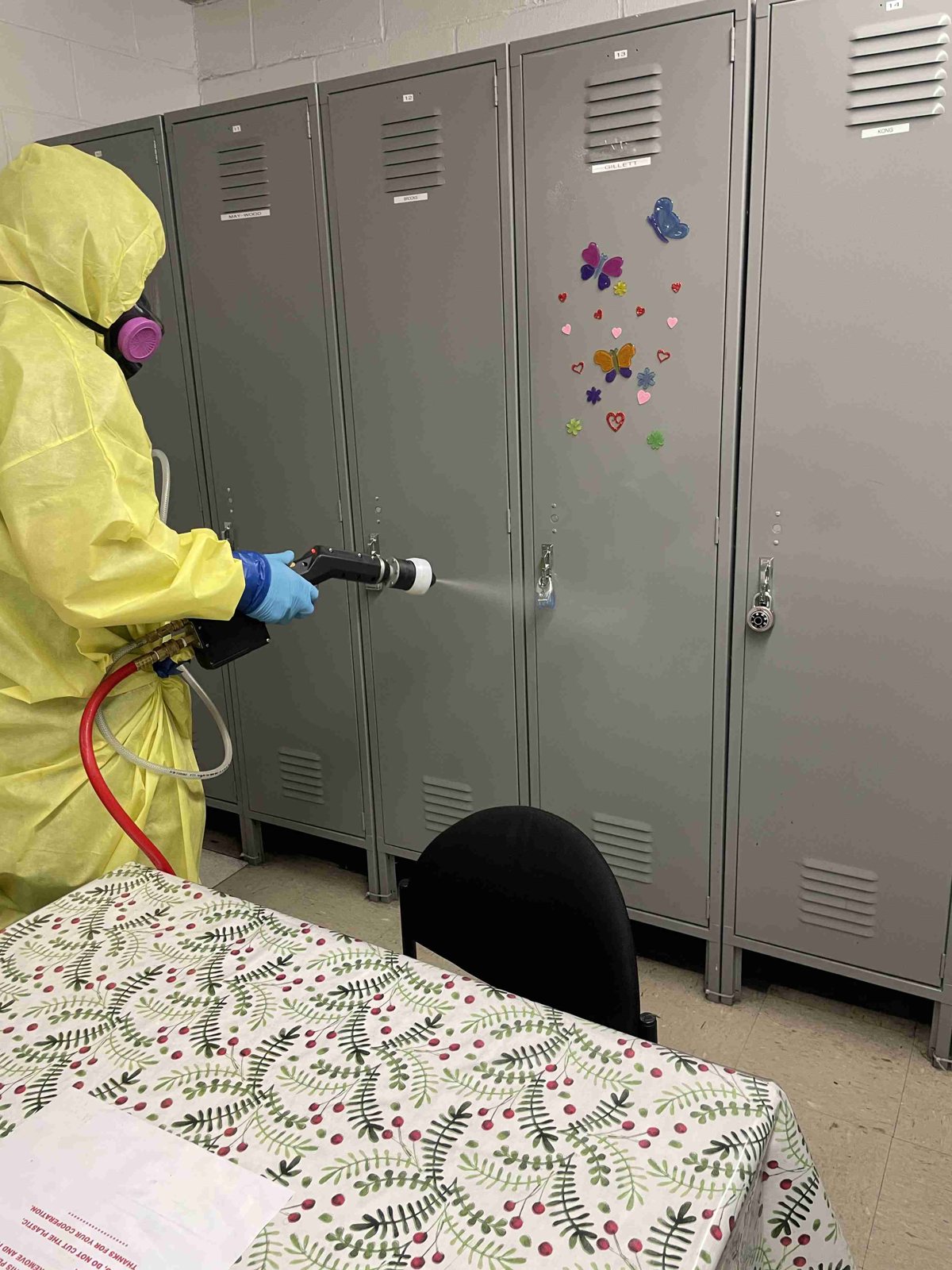
Short answer: workers enter with a plan and protective equipment, isolate the area, clean and disinfect, and package waste correctly.
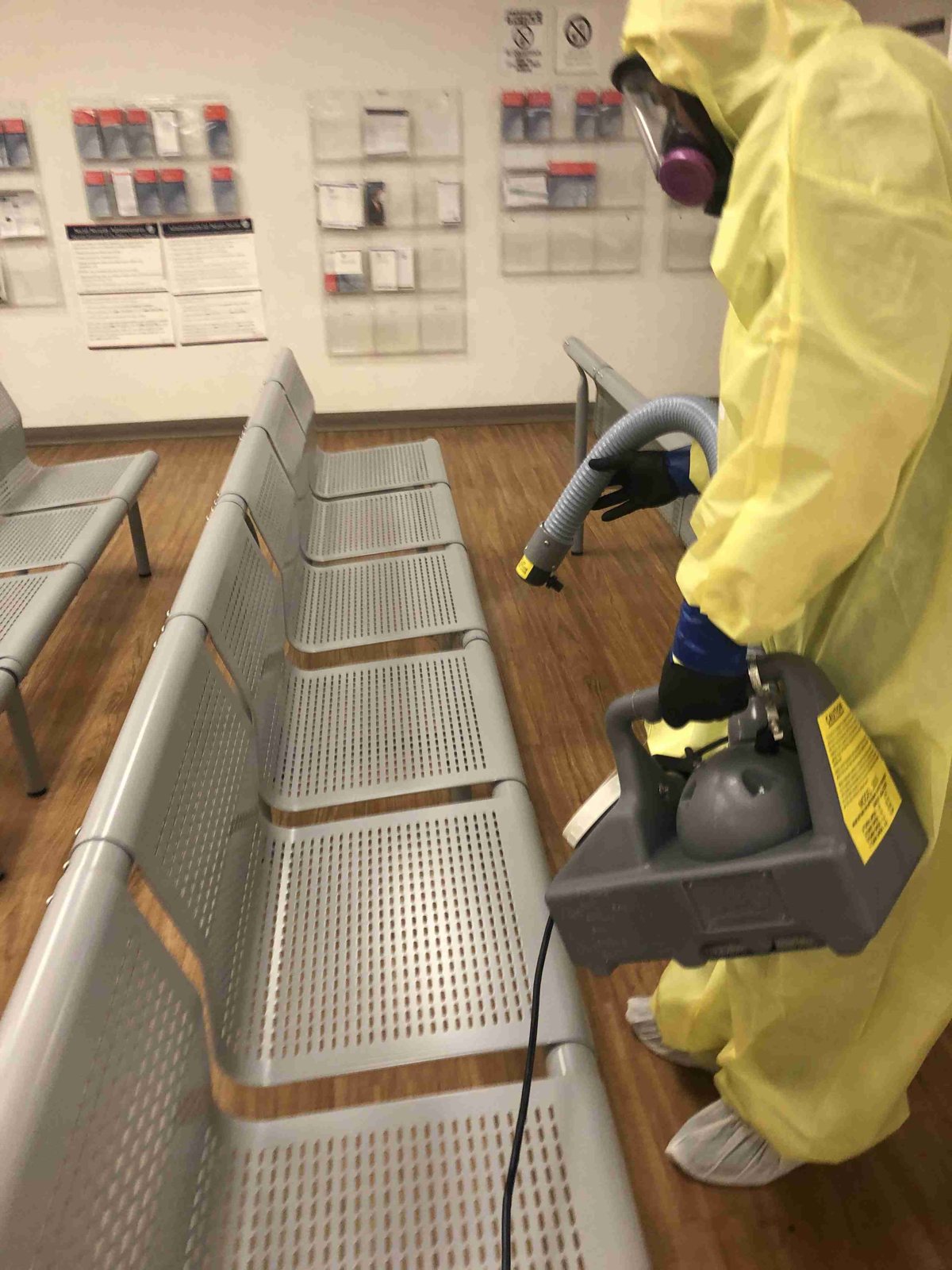
For a property owner, the visible result is a contained work area and a crew that is not using street clothes and a household mop. Surfaces are cleaned of soil before disinfectant is applied. Sharps, if present, are placed in a proper container, not a loose bag. Items soaked with blood or other potentially infectious materials are handled as regulated waste when they meet that definition.
The live guide to biohazard cleanup equipment shows the protective clothing and application tools that support those controls. The article on materials removed in biohazard cleanup explains why some porous goods leave the property rather than being wiped and left in place. The step by step biohazard cleanup process guide covers this in more detail.
A biohazard or trauma cleanup question in Westchester County, NY? Bowerman Cleaning and Restoration answers 24/7.
What Do These Standards Not Do?
Short answer: they do not turn a property owner into an employer under OSHA, and they are not a do-it-yourself instruction sheet for cleaning blood at home.
OSHA’s rule is written for employers whose workers may be exposed. A homeowner reading about 1910.1030 is learning why professional cleanup looks the way it does, not taking on the role of an exposure-control program. Family members should not be asked to clean blood or sharps with grocery-store supplies in an attempt to “meet a standard.”
The standard also is not a promise about insurance, rebuild timing, or a particular product brand. It sets expectations for worker protection and waste. Common shortcuts that ignore those expectations are discussed in biohazard cleanup mistakes. Questions to ask a company about training, waste, and documentation are listed in biohazard cleanup company questions.
Which Other Rules Sit Beside This Standard?
Short answer: state and local waste rules, and any building or employer policies that apply at the property, especially in apartments and workplaces.
- Regulated medical waste rules in New York affect how packaged waste is transported and treated.
- Building or facility procedures may add access, notification, or after-hours requirements.
- A sewage backup is a related contamination problem with its own path; see biohazard cleanup vs sewage cleanup.
The cleanup plan should say how waste will leave the site and who is responsible for that step, because that is where workplace standards and local disposal rules meet.
Bloodborne Pathogen Cleanup Standards FAQs
Does OSHA 1910.1030 apply to a homeowner directly?
The standard is written for employers and occupational exposure. It is still the reason professional cleanup uses protective equipment, planning, and regulated waste handling in a home as well as in a workplace.
Is there a consumer “bloodborne certification” a property owner should demand?
The useful questions are about training, an exposure control approach, protective equipment, and how waste is packaged and disposed of. A vague certificate name is less informative than those specifics.
What counts as other potentially infectious materials?
The standard lists materials such as certain body fluids and items contaminated with them. Blood is the example most people recognize, but it is not the only one.
Can regular trash bags be used if they are tied tightly?
Regulated waste has packaging and labeling requirements that ordinary household bags do not meet. Sharps also need a proper container.
Do these standards change the cleaning chemistry?
They require that workers be protected and that the job be controlled. Product choice still depends on the surface and the situation, after soil has been cleaned off.
Want to understand bloodborne pathogen cleanup standards before a crew starts work at a Westchester NY property? Bowerman Restoration LLC d/b/a Bowerman Cleaning & Restoration, 7 Intervale Street, White Plains, NY 10606, answers 24/7 at (844) 269-3762.