
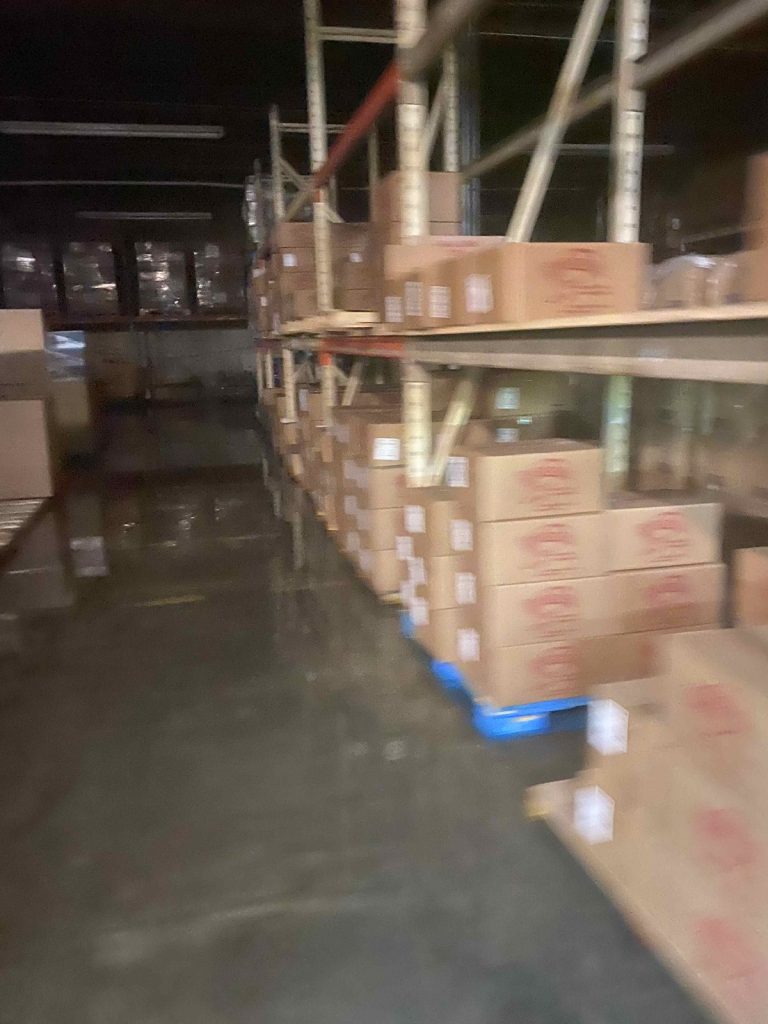
Sewage backup vs flood water cleanup in NY share one rule: both are treated as grossly contaminated water. The differences are the source and the spread. A backup rises from drains and stays near fixtures until the line is fixed, while floodwater enters from outside, carries silt and chemicals, and often covers a whole level at once.
Written by the Bowerman Cleaning and Restoration Team · August 24, 2026
Key Takeaways
- Both are usually handled as Category 3 water, so soaked porous materials come out either way.
- A sewage backup starts at drains and fixtures and can repeat until the line is repaired.
- Floodwater enters from outside, often brings mud, silt, and fuel or chemicals, and affects larger areas.
- The two are often covered by different insurance: a backup endorsement vs a flood policy.
In This Guide
- How Do the Two Cleanups Compare?
- What Is Different About Cleaning Up a Sewage Backup?
- What Is Different About Cleaning Up Flood Water?
- What Do the Two Cleanups Share?
- Sewage Backup vs Flood Water Cleanup FAQs
How Do the Two Cleanups Compare?
Short answer: the cleanup methods overlap, but the source, the spread, and the first priorities differ.
| Question | Sewage backup | Flood water |
|---|---|---|
| Where it comes from | Floor drains, toilets, tubs, and low fixtures | Outside: surface water, rising streams, storm runoff through walls and openings |
| Typical spread | Concentrated near the fixture, then outward | Often an even water line across a whole level |
| What it carries | Wastewater and solids | Silt, mud, debris, and sometimes fuel, chemicals, and sewage |
| First priority | Stop using water and clear the line | Wait until it is safe to enter, then pump once outside water recedes |
| Repeat risk | High until the blockage or break is fixed | Tied to the next storm or high water |
| Usual insurance | Homeowners policy with a backup endorsement | Separate flood policy |
The water category system that puts both at the top of the contamination scale is explained in water damage categories. A full overview of the work is in what is sewage damage cleanup.
What Is Different About Cleaning Up a Sewage Backup?
Short answer: the line must be cleared first, and the cleanup can focus outward from the fixture where the water came up.
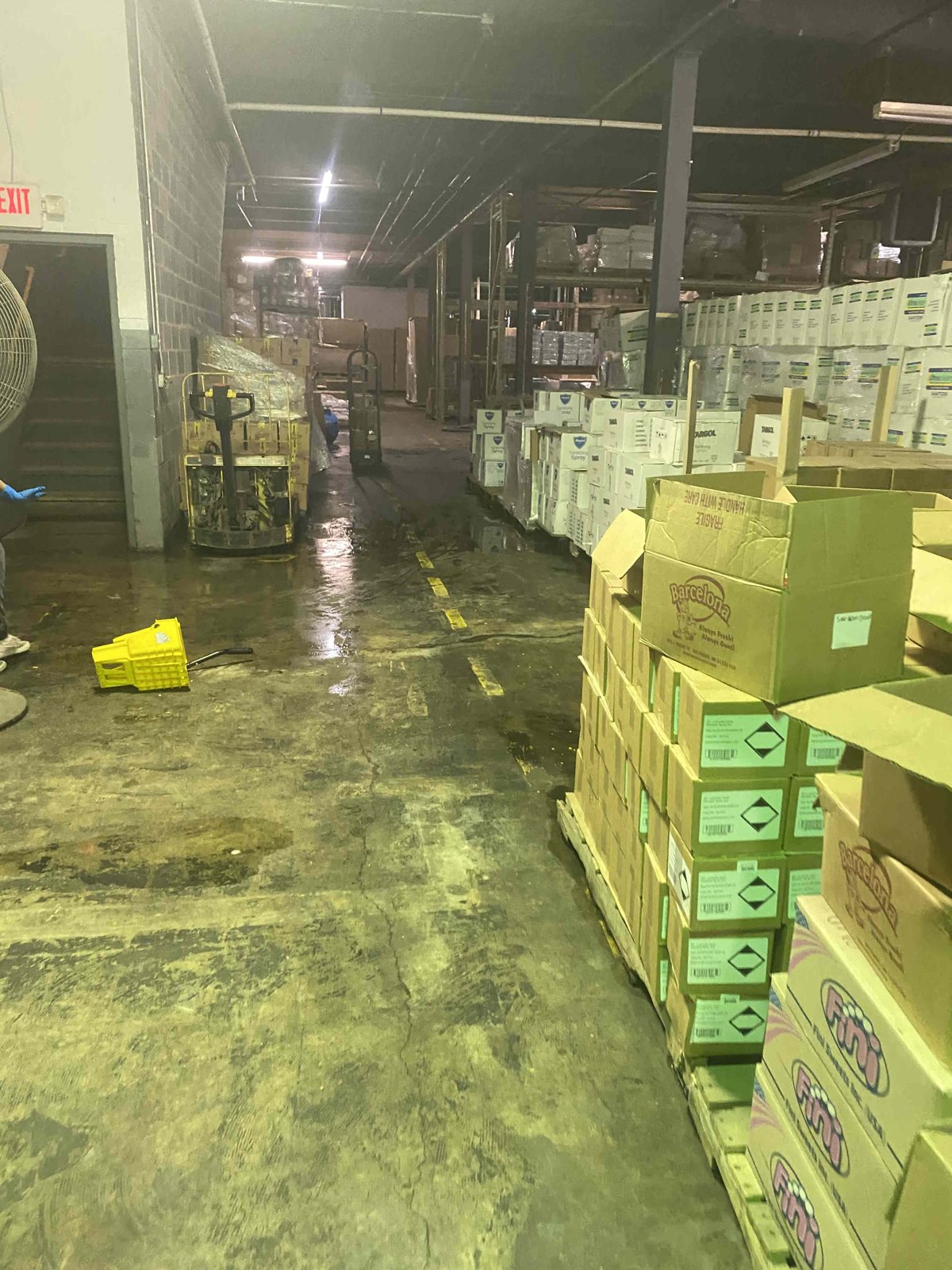
With a backup, the drain is both the source and the path back. If the main is still blocked, every flush upstairs can add to the mess. A plumber or the municipality clears the line, then extraction and tear-out start at the fixture and work outward. Because the water often stays in one area, the removal can be more targeted, though it still follows the wick line up the walls.
The first-hour steps for a home backup are the same as in what to do first after water damage, with the added rule of stopping all water use. The live comparison biohazard cleanup vs sewage cleanup explains how sewage work is separated from other pathogen jobs.
Sewage backup at a Westchester County, NY property? Bowerman Cleaning and Restoration answers 24/7.
What Is Different About Cleaning Up Flood Water?
Short answer: safety and access come first, and the cleanup has to deal with silt, debris, and a much larger wet area.
Floodwater can hide downed lines, open manholes, and structural damage, and OSHA lists those risks among the hazards of flood response. Pumping a flooded basement too fast while the ground outside is saturated can stress foundation walls, so crews often pump in stages. Once water is out, a layer of silt and debris has to be shoveled and washed off before cleaning and disinfection can even begin.
Several live case studies show how this works on real jobs: basement flood restoration after heavy rain, urban flood restoration after a severe storm, and storm surge flood restoration.
What Do the Two Cleanups Share?
Short answer: protective equipment, removal of soaked porous materials, cleaning before disinfecting, and measured drying.
- Protect people. Keep occupants out and use gloves, boots, eye protection, and respiratory protection during the work.
- Extract. Remove standing water and solids with pumps and extraction units.
- Remove porous materials. Cut out soaked carpet, pad, drywall, and insulation and bag them.
- Clean, then disinfect. Scrub off residue or silt, then apply a registered disinfectant.
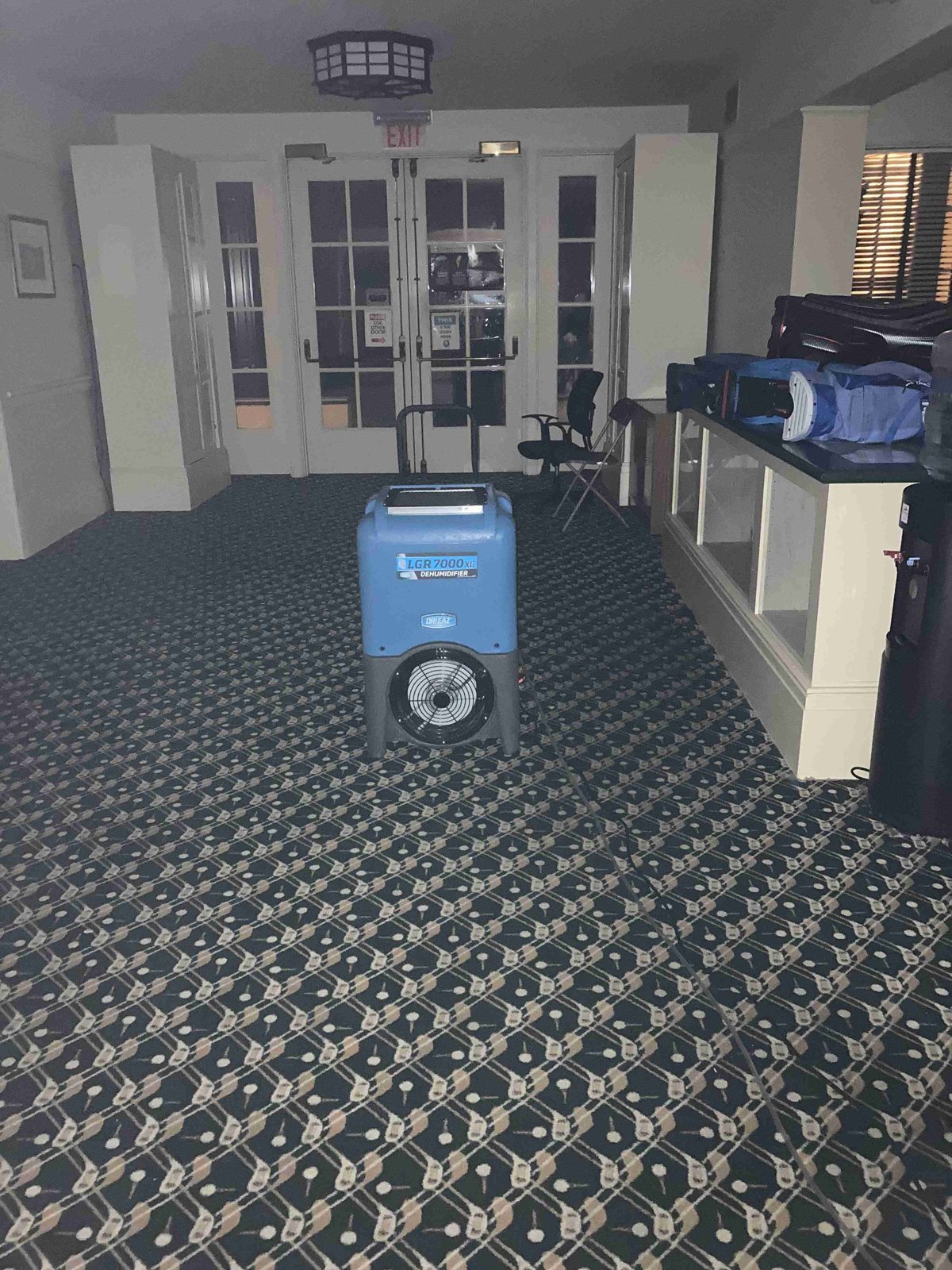
- Dry and verify. Run drying equipment until readings confirm the structure is dry before rebuild.
Insurance is often the biggest practical difference. A backup is usually handled under a homeowners policy endorsement; outside flooding is usually a flood policy matter, explained at FloodSmart. The sewage damage cleanup and restoration page covers the backup side, and the storm damage page covers storm-driven flooding.
Sewage Backup vs Flood Water Cleanup FAQs
Is flood water as dangerous as sewage?
Rising floodwater is generally treated as Category 3 because it can carry sewage, soil, and chemicals. Both call for protective equipment and removal of soaked porous materials.
Can a flood cause a sewage backup?
Yes. Heavy rain can overload sewers and push wastewater up through basement drains, so a single storm can bring both problems.
Which one costs more to clean up?
It depends on the area affected. Floods often cover a whole level and add silt removal, while backups may be more contained.
Will the same insurance cover both?
Usually not. Backups often fall under a homeowners endorsement and outside flooding under a separate flood policy.
Unsure whether a Westchester NY loss calls for sewage backup vs flood water cleanup? Bowerman Restoration LLC d/b/a Bowerman Cleaning & Restoration, 7 Intervale Street, White Plains, NY 10606, answers 24/7 at (844) 269-3762.