
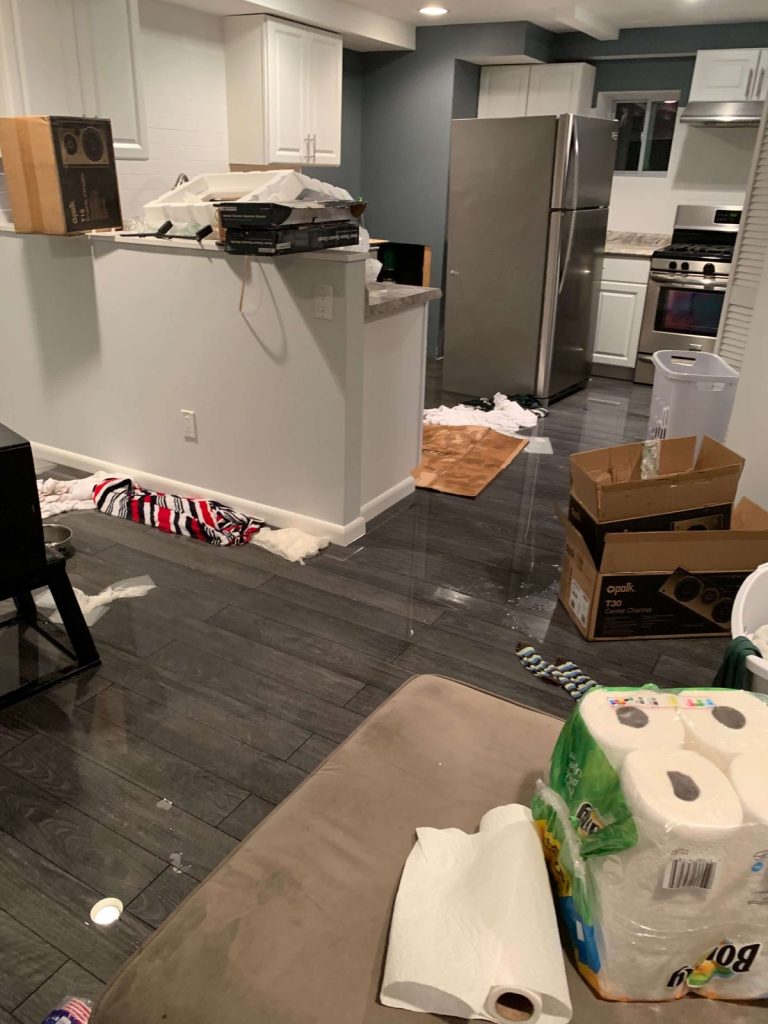
Storm damage insurance claims in NY succeed or stall on documentation, timing, and a clear description of what the weather actually did. A policy may treat wind, rain that entered through a damaged opening, and flood water as different kinds of events. This is general information, not advice about a specific policy. The useful habits are the same on most losses: stay safe, photograph early, keep receipts, and put a temporary dry-in in place so the claim is not arguing about damage that happened in a later rain.
Written by the Bowerman Cleaning and Restoration Team · November 24, 2026
Key Takeaways
- Photograph openings, wet rooms, and damaged contents from a safe place as early as possible.
- Keep receipts for reasonable temporary protection and for emergency extraction when those costs are incurred.
- A quick tarp or board-up can keep a later storm from mixing new damage into the original claim.
- Flood and wind are often under different coverage; the facts of how the water entered matter.
In This Guide
- What Should Be Documented for a Storm Claim?
- Why Do Temporary Protection and Emergency Drying Matter to a Claim?
- Why Does the Path of the Water Matter?
- What Helps When an Adjuster Visits?
- Storm Damage Insurance Claims FAQs
What Should Be Documented for a Storm Claim?
Short answer: the date and conditions if known, photographs of the exterior damage and the interior wetting, and a simple inventory of damaged belongings. A claim is harder to discuss when the only record is a finished repair.
Take photographs before large items are discarded, if it is safe to wait that long. Include the roof opening or broken window, the rooms that got wet, and close-ups of damaged finishes. What to do first after storm damage covers the safety side of that first hour. The same documentation idea appears in what to do first after water damage and in the live guide to water damage insurance coverage. For the claim-filing process, the filing a claim page is a related reference.
Date stamps, a short note of when the opening was covered, and the names of anyone who came to the property are small details that help later. If a public adjuster or a contractor will be involved, the same photo set can be shared rather than reshot after finishes have changed. Hidden water damage signs is worth a look if a stain appears in a room that was not in the first photographs, so that late-found wetting is added to the record instead of being treated as unrelated.
Why Do Temporary Protection and Emergency Drying Matter to a Claim?
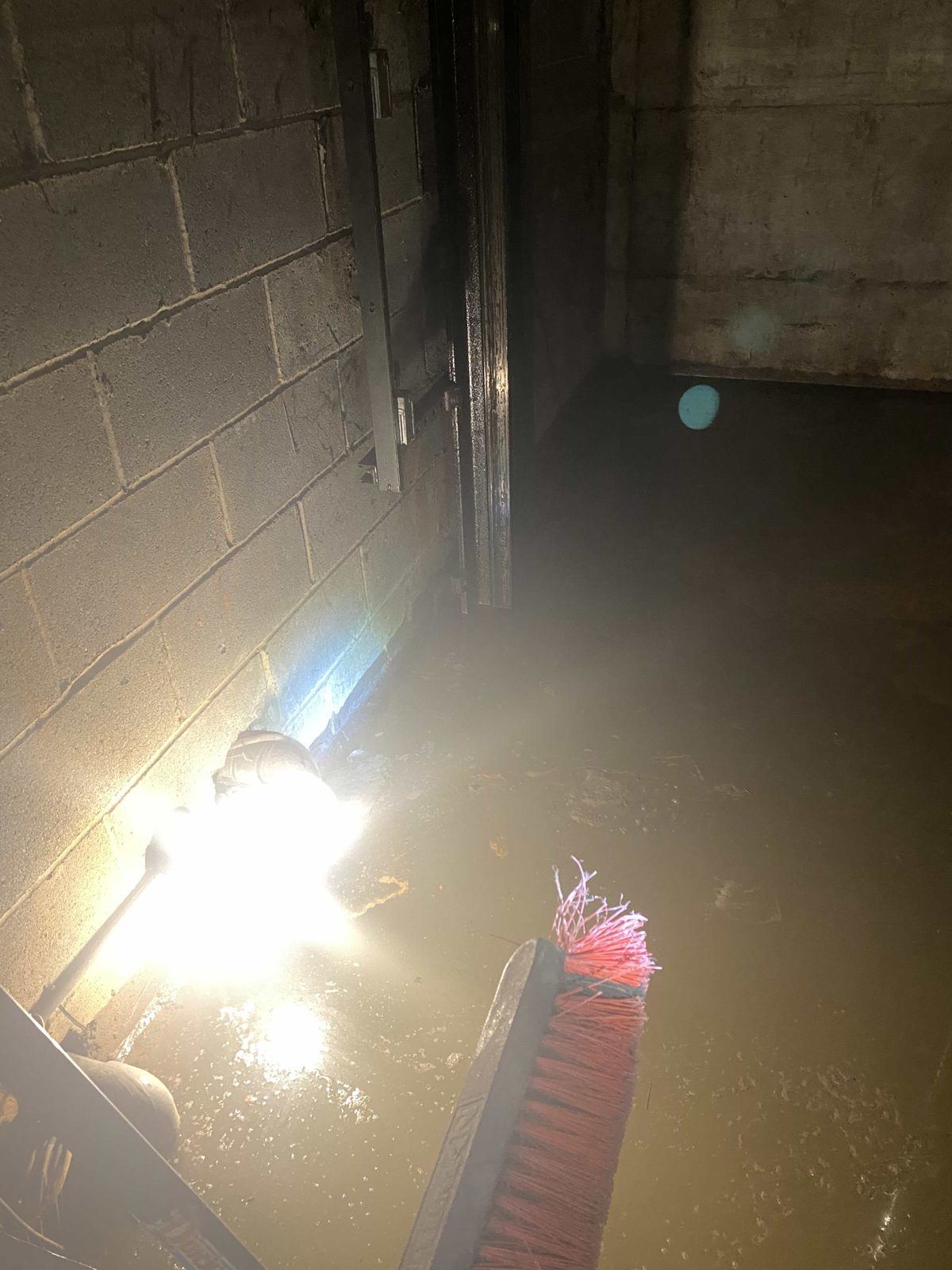
Short answer: because they can limit further loss, and because receipts show that the property was not simply left open to the next storm. A tarp is not a luxury in this context; it is often a reasonable step to protect the property.
Insurers commonly expect a policyholder to take reasonable steps to prevent further damage. A professional dry-in, a boarded window, and prompt extraction of standing water are examples. The cluster guides on storm damage board up and tarping and on what storm damage restoration is explain those steps. The storm damage service page is a related overview, and fire damage insurance claims is useful for claims-process habits even though the event is different.
Storm damage at a Westchester County, NY property? Bowerman Cleaning and Restoration answers 24/7.
Why Does the Path of the Water Matter?
Short answer: because many homeowners policies treat rain that entered through a storm-damaged roof or window differently from flood water that rose from the ground or a surge. The facts should be described accurately, not stretched to fit a hoped-for coverage result.
A pierced roof with stained ceilings is a different event from a basement filled by rising water, even if both happened during the same storm. Live case studies on coastal storm surge damage restoration, storm surge flood restoration, and urban flood restoration after a severe storm describe flood-type losses. What restoration involves when a tree hits a house is closer to an opening-and-rain path. Coverage still depends on the policy and on any flood policy that may exist separately. This page cannot say what a given policy will pay.
What Helps When an Adjuster Visits?
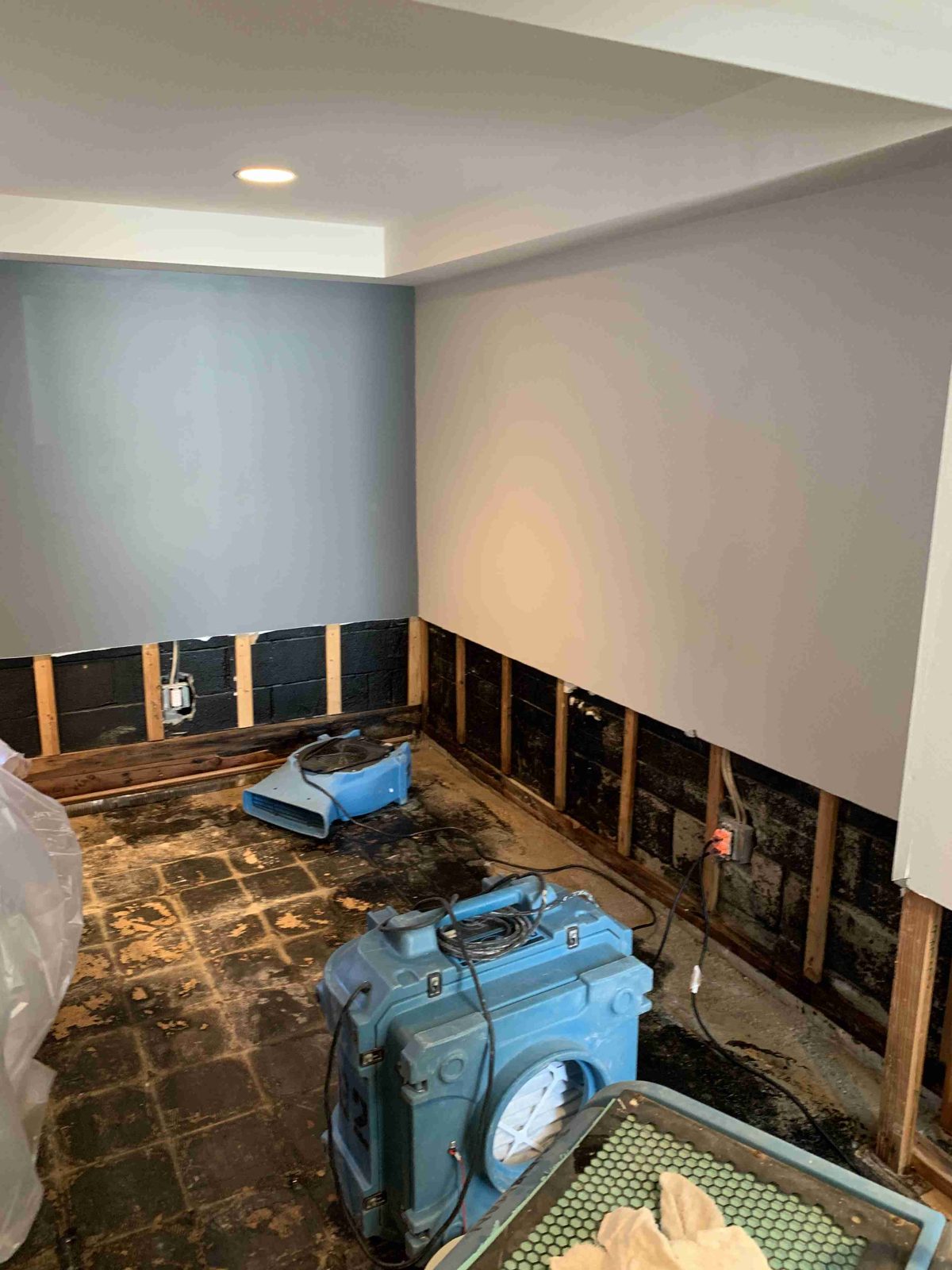
Short answer: a clear photo set, a written scope or estimate when one exists, and a house that has been protected but not fully refinished in a way that hides the loss. Open walls that were necessary for drying are part of the story, not a problem to conceal.
If wet drywall had to come out, photographs from before and after the removal help. If a temporary roof cover is in place, say so, and keep the receipt. Ready.gov’s severe weather guidance is a reminder that safety and documentation come before a hurried cleanup that erases the record. Questions about what a specific policy covers belong with the insurer or a licensed advisor, not with a general article.
A simple contents list, even a handwritten one with approximate ages of major items, is easier to make in the first days than weeks later. If the household has to stay elsewhere, keep those receipts too; additional living expenses are sometimes part of a policy, and sometimes they are not. Nothing in this guide can say what a given policy will pay. The aim is only to keep the facts of the loss easy to see: what the storm did, what was done to limit further damage, and what it took to dry and then repair the house.
Storm Damage Insurance Claims FAQs
Should the insurer be called the same day?
Soon is usually better than late, once everyone is safe. Early notice and early photos are easier to work with than a call made after finishes are already back up.
Are tarp and drying costs always reimbursed?
Not always. They are often considered reasonable steps to prevent further damage, but payment depends on the policy, the deductible, and how the costs are documented.
Does a homeowners policy cover flood water from a storm?
Often it does not, or it covers it only in limited ways. Flood coverage is frequently a separate policy. The facts of the loss and the policy language control.
Should repairs wait for the adjuster?
Emergency protection and extraction usually should not wait. Lasting cosmetic repairs are more often postponed until there is a shared understanding of the scope. The policy and the insurer’s instructions matter.
What if a second storm hits before the roof is repaired?
A documented dry-in and a dated photo set from the first event make it easier to separate the two losses. An open roof with no temporary cover makes that conversation harder.
Questions about storm damage insurance claims in a Westchester NY home? Bowerman Restoration LLC d/b/a Bowerman Cleaning & Restoration, 7 Intervale Street, White Plains, NY 10606, answers 24/7 at (844) 269-3762.