
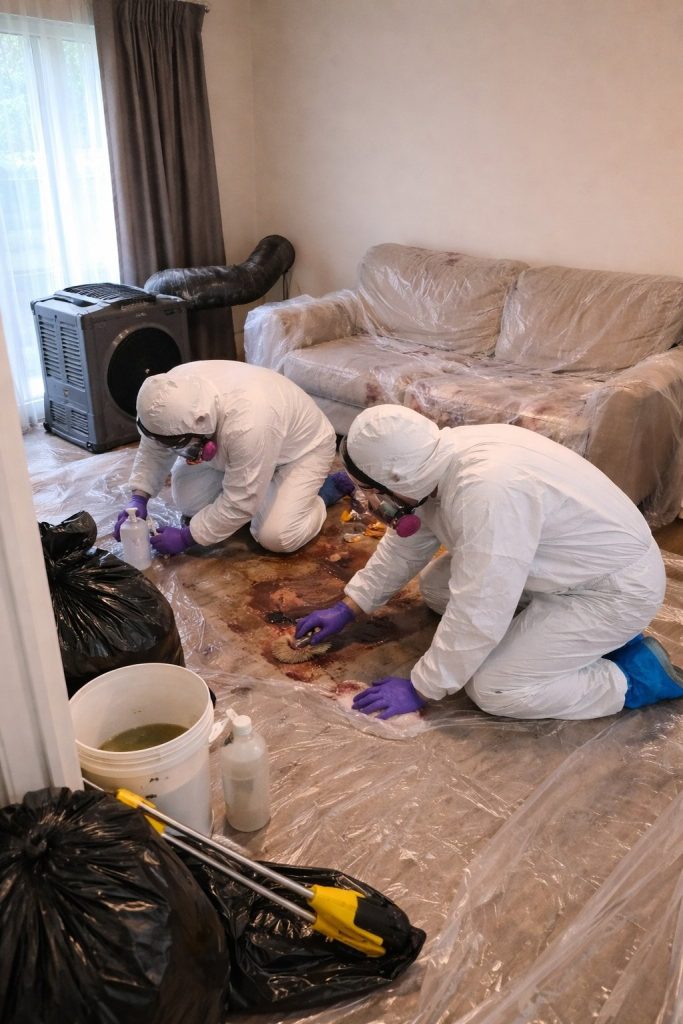
The unattended death cleanup process is the discreet work of cleaning a residence after a person has died and was not found right away. In NY, time and indoor temperature shape how far fluids and odor have traveled. The process starts only after authorities have released the home, and it is done in full protective equipment.
Written by the Bowerman Cleaning and Restoration Team · October 20, 2026
Key Takeaways
- Cleanup waits for official release of the residence by the authorities who were involved.
- Time and temperature drive the scope, because fluids and odor move into flooring, furnishings, and cavities.
- Discretion matters: unmarked work, careful access, and limited discussion protect the family and neighbors.
- Removal, disinfection, and odor work are usually all part of the same process, not a surface wipe.
In This Guide
- What Does the Unattended Death Cleanup Process Include?
- How Do Time and Temperature Change the Scope?
- How Is the Work Handled With Discretion?
- How Are Cleaning, Disinfection, and Odor Handled?
- Unattended Death Cleanup Process FAQs
What Does the Unattended Death Cleanup Process Include?
Short answer: official release, a scope based on time and conditions, containment, removal, cleaning, odor treatment, and proper waste handling.
- Wait for official release. Work starts only after the medical examiner, police, or other authorities have released the residence.
- Assess time and temperature effects. The scope is set by how long the person was unattended and how the indoor conditions allowed fluids and odor to travel.
- Contain the area and protect belongings. The affected rooms are isolated, and items that can be saved are separated from those that cannot.
- Remove, clean, and treat odor. Affected materials are taken out as needed, remaining surfaces are cleaned and disinfected, and odor in cavities is addressed.
- Package waste and return the space. Regulated waste is prepared for disposal, and the area is checked before the household or a rebuild crew returns.
The live biohazard remediation page covers this work as part of biohazard cleanup. OSHA’s bloodborne pathogens guidance is one reason technicians wear protective equipment and treat bodily fluids as potentially infectious throughout the unattended death cleanup process.
How Do Time and Temperature Change the Scope?
Short answer: the longer a death goes unnoticed, and the warmer the interior, the more likely it is that fluids and odor have reached below the floor surface and into nearby rooms.
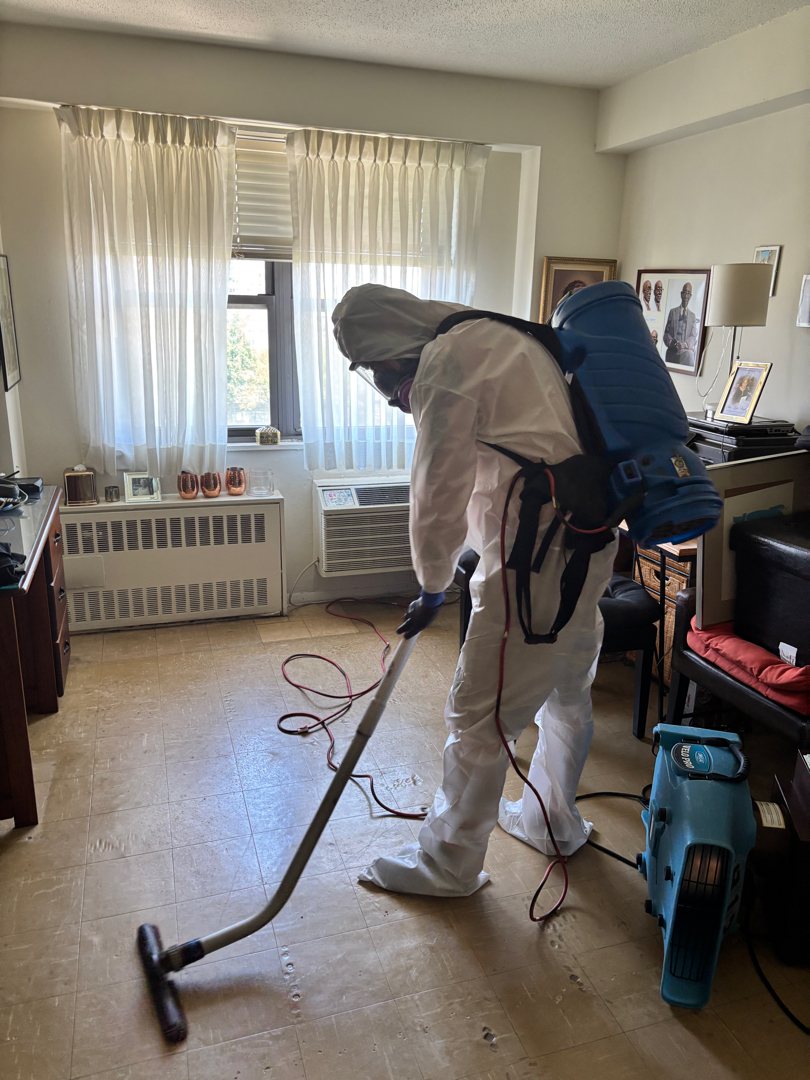
An unattended death is different from a death at which help arrived quickly, because time allows fluids to migrate and odor to settle in porous materials. A cool, dry room may keep the affected area smaller. A warm interior or a delay of days or weeks often means pad, subfloor, baseboards, or furniture must be opened or removed. The visible stain is not a reliable map by itself.
That is why an assessment comes before demolition. The live article on materials removed in biohazard cleanup explains why carpet, padding, and similar goods are often taken out. The comparison of biohazard cleanup vs trauma scene cleanup is also useful: an unattended death is one kind of biohazard scene, and the process is shaped by time as much as by the event itself.
A biohazard or trauma cleanup question in Westchester County, NY? Bowerman Cleaning and Restoration answers 24/7.
How Is the Work Handled With Discretion?
Short answer: by limiting attention at the property, coordinating access with the family or a representative, and keeping the description of the work factual and private.
Families are already dealing with notifications, funeral plans, and often an estate. Cleanup crews can use unmarked or low-profile vehicles, arrange a time that avoids unnecessary traffic, and speak with one designated contact. Belongings that can be cleaned are set aside; items that cannot be saved are documented before they are removed, which also helps if insurance will be involved.
Questions about who enters the home, what will be photographed, and how waste leaves the property should be asked up front. The live list of biohazard cleanup company questions is a practical checklist. Common errors, such as opening windows and running household fans before containment, are covered in biohazard cleanup mistakes. The death cleanup in a home guide covers this in more detail.
How Are Cleaning, Disinfection, and Odor Handled?
Short answer: affected materials come out first, remaining surfaces are cleaned and disinfected, and odor in cavities is treated rather than covered up.
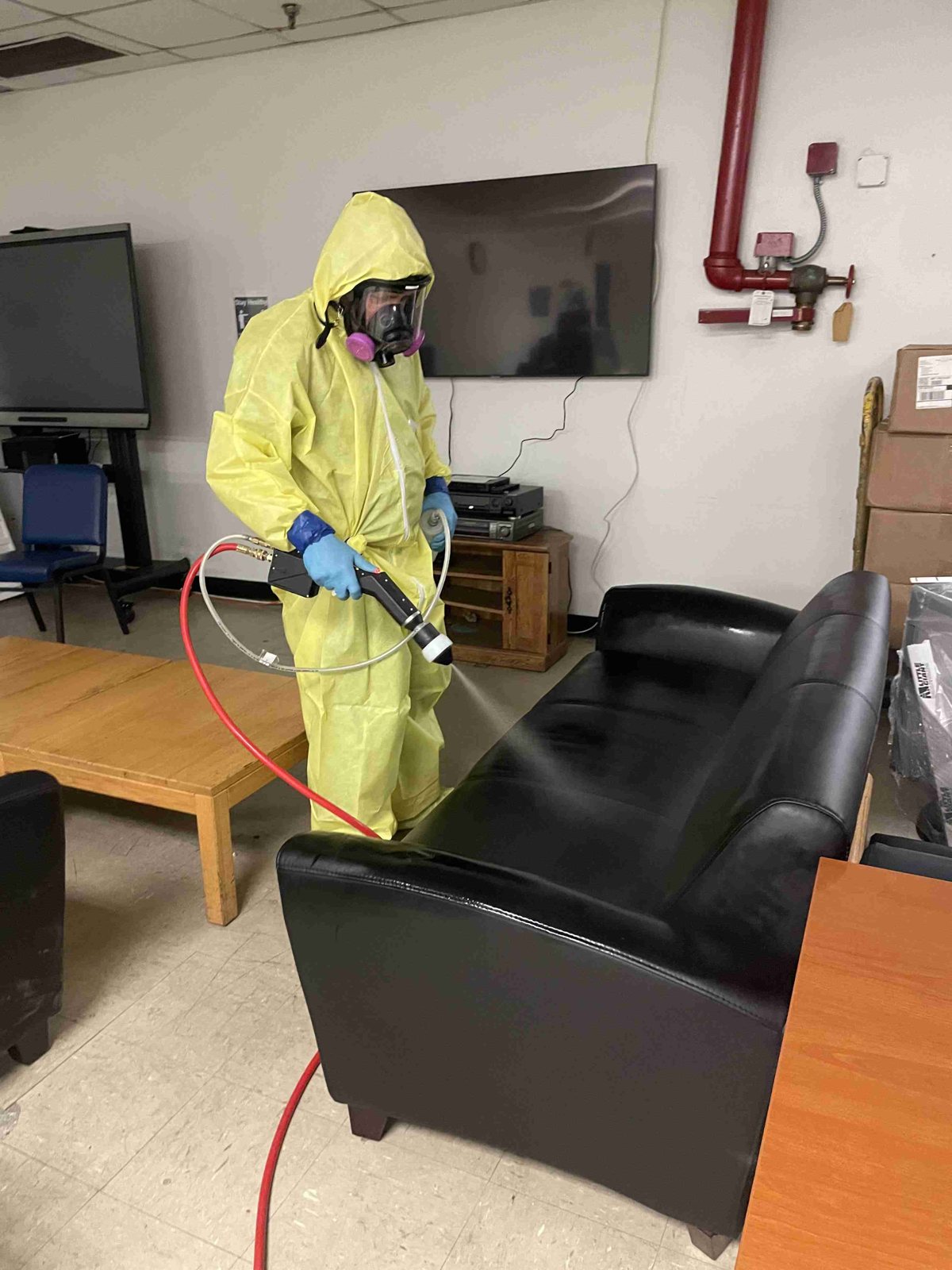
Once containment is in place, technicians remove what cannot be cleaned and then clean remaining surfaces before applying a disinfectant. The EPA lists selected registered disinfectants that can be chosen for the job. Odor that has moved into subfloors or wall cavities will not leave with a spray alone; those spaces may need to be opened, cleaned, and dried. The live guide to biohazard cleanup equipment shows the protective gear and application equipment used during this stage.
Unattended Death Cleanup Process FAQs
When can the unattended death cleanup process start?
After the medical examiner, police, or other authorities have released the home. Starting earlier can interfere with an investigation and is not appropriate.
Why is an unattended death often a larger job than it looks?
Time and temperature allow fluids and odor to travel into padding, wood, and nearby rooms. A small stain on the surface can sit over a much larger affected area.
Will the family need to be present?
Usually no. A designated contact can approve the scope, arrange access, and receive updates. The work itself is done by the cleanup crew. The trauma scene cleanup guide covers this in more detail.
Can personal belongings be saved?
Some can, if they were not saturated. Items are sorted during the assessment. Heavily affected porous goods are often removed and documented.
Is odor removal always part of the process?
Often yes, especially when time has passed. Odor treatment is planned with the cleaning, not added as a perfume at the end.
Planning for the unattended death cleanup process in a Westchester NY home and wanting the work handled quietly and thoroughly? Bowerman Restoration LLC d/b/a Bowerman Cleaning & Restoration, 7 Intervale Street, White Plains, NY 10606, answers 24/7 at (844) 269-3762.