
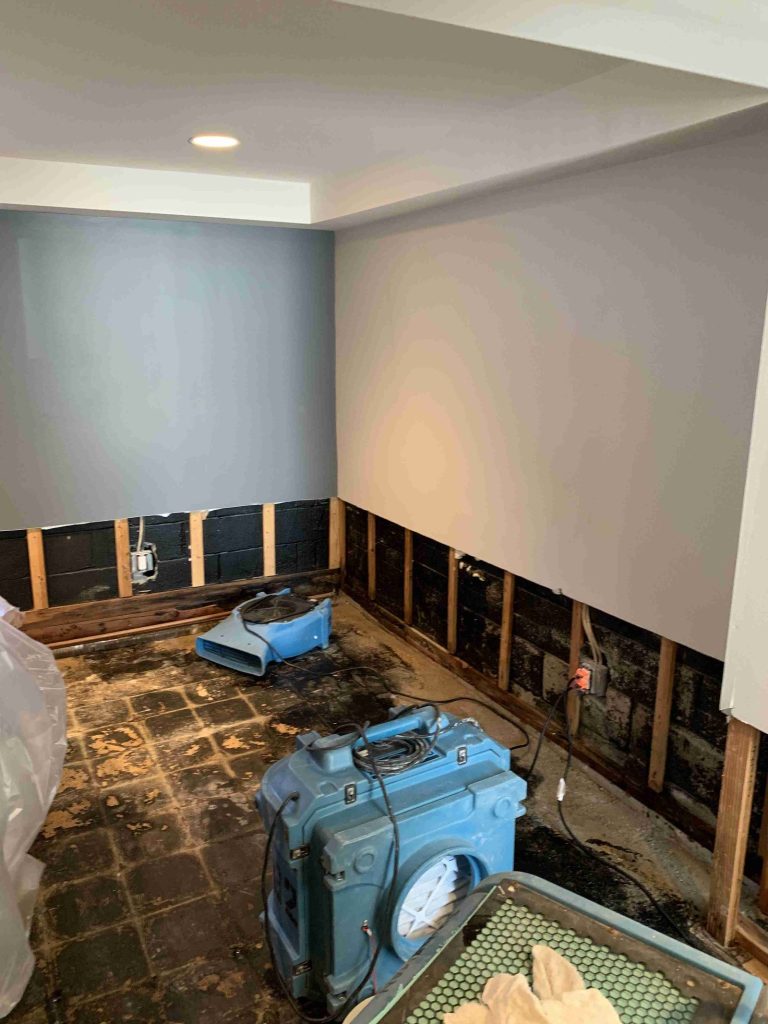
Water damage restoration is the work of returning a wet home to the way it was before the leak or flood. A crew stops the water, removes it, dries the structure to measured targets, cleans and disinfects what can be saved, and rebuilds what cannot. In Westchester, NY, the work usually starts within hours of your call.
Written by the Bowerman Cleaning and Restoration Team · April 1, 2026
Key Takeaways
- Restoration has two halves: mitigation (stop, remove, dry) and rebuild (repair and replace).
- Speed matters. The EPA says to dry wet materials within 24 to 48 hours to help prevent mold.
- “Dry” should be proven with moisture readings, not judged by touch.
- Fixing the source of the leak is usually your job as the owner, and your crew can help arrange it.
- In New York, standard homeowners policies do not cover flood, so check your policy early.
In This Guide
- What Does Water Damage Restoration Actually Cover?
- What Are the Steps of Water Damage Restoration?
- What Do You Handle, and What Does the Crew Handle?
- How Do You Know the Job Was Done Right?
- Why Does Water Damage Look Different Across Westchester County?
- Will Insurance Pay for Water Damage Restoration in NY?
- Water damage restoration FAQs
What Does Water Damage Restoration Actually Cover?
Short answer: everything between “there’s water on the floor” and “the room is back to normal.” That includes emergency water removal, drying, cleanup, odor control and repairs. It also covers your belongings, such as furniture, rugs and documents.
Most people picture the big fans. However, the fans are only one part. A full job starts with finding where the water went, because water travels under flooring, into wall cavities and down to the floor below. This water damage restoration guide for Westchester, NY homeowners focuses on what the process looks like in your home, step by step.
What Are the Steps of Water Damage Restoration?
Short answer: inspect, extract, dry, clean, then rebuild. The IICRC S500 Standard for Professional Water Damage Restoration is the industry reference that describes these procedures. Here is how they play out in a typical home.
- Make it safe and stop the water. First, the water supply or the source gets shut off. Power to wet areas may need to be cut before anyone walks in.
- Inspect and document. Next, technicians use moisture meters to map how far the water spread. They also photograph the damage, which helps with any insurance claim.
- Extract standing water. Then truck-mounted or portable extractors pull water out of carpet, pad and hard floors. The more water removed now, the faster the drying goes.
- Remove what cannot be saved. Soaked carpet pad, swollen drywall and wet insulation often have to come out. Dirty water, such as sewage or floodwater, means more of it goes.
- Dry and dehumidify. After that, air movers and dehumidifiers run for several days. The crew checks readings each visit and moves equipment as areas dry.
- Clean and sanitize. Surfaces and salvageable items are cleaned. Antimicrobial treatment is used where the water was dirty or mold is a risk.
- Repair and rebuild. Finally, new drywall, paint, flooring and trim go in. This is the step that makes the room look finished.
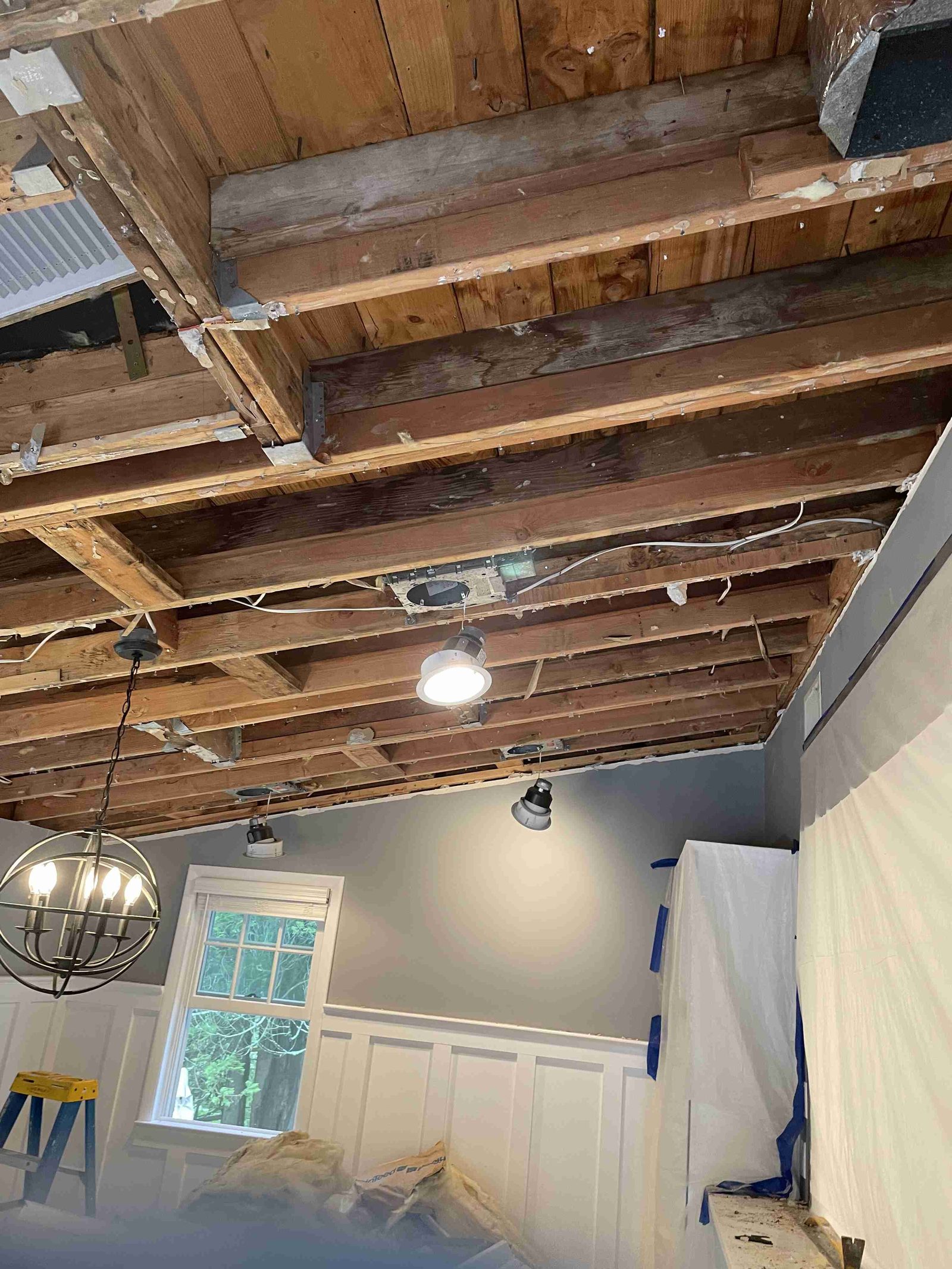
The first five steps are often called mitigation. If you are unsure where mitigation ends and restoration begins, our water damage restoration services page walks through how we handle each stage.
Water still coming in, or not sure how far it spread? We answer 24/7 and can send a crew across Westchester County.
What Do You Handle, and What Does the Crew Handle?
Short answer: you keep people safe and make the calls, and the crew handles the water and the structure. One detail surprises many homeowners. The IICRC S500 treats finding and fixing the source of the water as the property owner’s responsibility, unless you hire the restorer or a plumber to do it. So a burst pipe still needs a plumber, even with a drying crew on site.
| Task | You (the homeowner) | The restoration crew |
|---|---|---|
| Safety | Keep family and pets out of wet rooms. Avoid outlets and cords near water. | Checks for electrical and slip hazards before work starts |
| Water source | Shut the main valve if you can. Call a plumber or roofer for the repair. | Confirms the source is stopped and can help coordinate the repair |
| Insurance | Call your insurer and take your own photos | Provides photos, moisture readings and drying records |
| Belongings | Move dry valuables, papers and medicine to a safe room | Cleans, dries or packs out wet contents, rugs and furniture |
| Drying | Leave the equipment running and on. Keep windows as the crew advises. | Sets up, monitors and adjusts air movers and dehumidifiers |
For more on what to do in the first hour, see our water damage tips.
How Do You Know the Job Was Done Right?
Short answer: ask for the moisture readings. A surface can feel dry while the wood or drywall behind it is still wet. That hidden moisture is what leads to musty smells, warped floors and mold weeks later.
A well-run job leaves a paper trail. Before the crew removes the equipment, you should be able to see:
- Daily moisture readings for the affected walls, floors and framing
- A dry target, usually based on readings from an unaffected area of the same home
- Photos of the damage, the removed materials and the drying setup
- A clear list of what was removed and what still needs to be rebuilt
Above all, nobody should close up a wall that has not been confirmed dry. The EPA’s guide to mold and moisture advises drying water-damaged areas and items within 24 to 48 hours to help prevent mold growth. That timeline is the reason restoration companies run around the clock.
Why Does Water Damage Look Different Across Westchester County?
Short answer: the source of the water changes with where you live and how your home is built. The basic process stays the same, but the starting point does not.
Sound Shore and river towns
Homes near the water in Rye, Mamaroneck, New Rochelle and Port Chester, or along the Hudson in Tarrytown, Ossining and Peekskill, can face storm-driven flooding. Floodwater counts as dirty water. As a result, more materials usually come out and everything gets sanitized. Our post on basement flood restoration after heavy rain covers that kind of loss.
Apartments and older homes in the cities
In White Plains, Yonkers and Mount Vernon, many calls come from apartments and multi-family buildings. Water from one unit often reaches the unit below, so more than one owner may be involved. Older homes with plaster walls also dry differently from newer drywall, so the drying plan has to match the material.
Suburban homes with finished basements
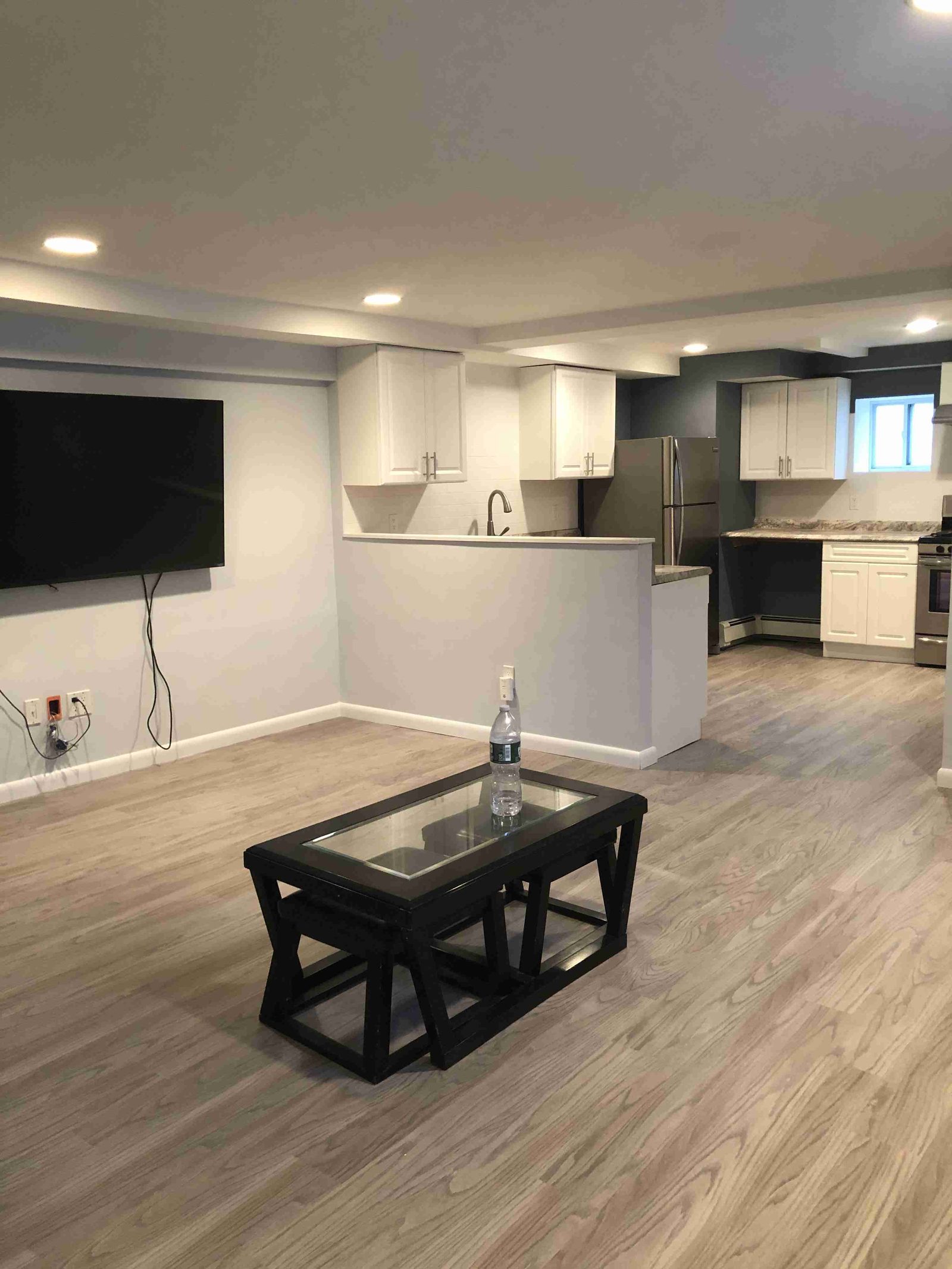
In towns such as Scarsdale, Ardsley, Harrison and Chappaqua, a finished basement is a common trouble spot. A failed sump pump, a water heater leak or a washing machine hose can soak carpet, drywall and stored items in a few hours.
Will Insurance Pay for Water Damage Restoration in NY?
Short answer: it depends on where the water came from. A sudden event, such as a burst pipe, is often covered by a homeowners policy. Flooding is a different story. The New York State Department of Financial Services explains that standard homeowners and tenants policies do not cover flood damage. That coverage comes from a separate policy, usually through the National Flood Insurance Program.
Sewer and sump pump backups are another gray area. According to NY DFS, they are generally covered only if you added a water backup endorsement. So read your policy, or call your agent, before you sign off on large repairs. Our guide on whether homeowners insurance covers water restoration goes deeper.
Related Guides
- Step by Step Process of Water Damage Restoration
- Water Damage Restoration Timeline
- What to Do First After Water Damage?
- Water Damage Drying Process
- Water Damage Restoration Cost
- Water Damage Insurance Coverage
- Hidden Water Damage Signs
- Water Damage Categories
- Water Damage Causes
- Types of Water Damage
- Signs You Need Water Damage Restoration
- Water Damage Mistakes
- Water Damage Company Questions
- Salvageable Items After Water Damage
- Water Damage Restoration vs Water Damage Repair
- Water Damage Company vs Contractor
- Water Damage Mitigation vs Water Damage Restoration
- Water Damage Category and Class
- Air Movers vs Dehumidifiers
Water Damage Restoration FAQs
How long does water damage restoration take?
Drying alone often takes several days, depending on how much water there was and what got wet. Rebuilding adds more time if drywall, flooring or cabinets were removed. Your crew should give you an estimate after the first inspection and update it as the readings come in.
Can I dry water damage myself with fans?
For a small spill on a hard floor that you caught right away, yes. For anything that soaked into carpet pad, walls or the floor below, fans alone rarely reach the hidden moisture. Without meters, you cannot tell when the structure is actually dry, and that is how mold starts.
Do I have to leave my home during restoration?
Usually not. Most families stay home while drying equipment runs, although it can be noisy and warm. You may need to move out of affected rooms. A sewage loss or major flooding can be different, because dirty water raises health concerns.
Is water damage restoration the same as mold remediation?
No. Water damage restoration dries and repairs a home after water gets in. Mold remediation removes mold that has already grown. Fast drying is the best way to avoid needing mold remediation later.
What should I do while I wait for the crew?
Stop the water at the main valve if it is safe. Then stay away from wet electrical outlets, take photos for your insurer, and move dry valuables to a safe room. Do not start pulling up carpet or drywall before the crew documents the damage.
Get Help With Water Damage in Westchester County
If water got into your home anywhere in Westchester County, from Yonkers to Peekskill, call us any time at (844) 269-3762. Our team will stop the spread, dry your home to measured targets and walk you through each step.
Bowerman Restoration LLC d/b/a Bowerman Cleaning & Restoration · 7 Intervale Street, White Plains, NY 10606 · (844) 269-3762