
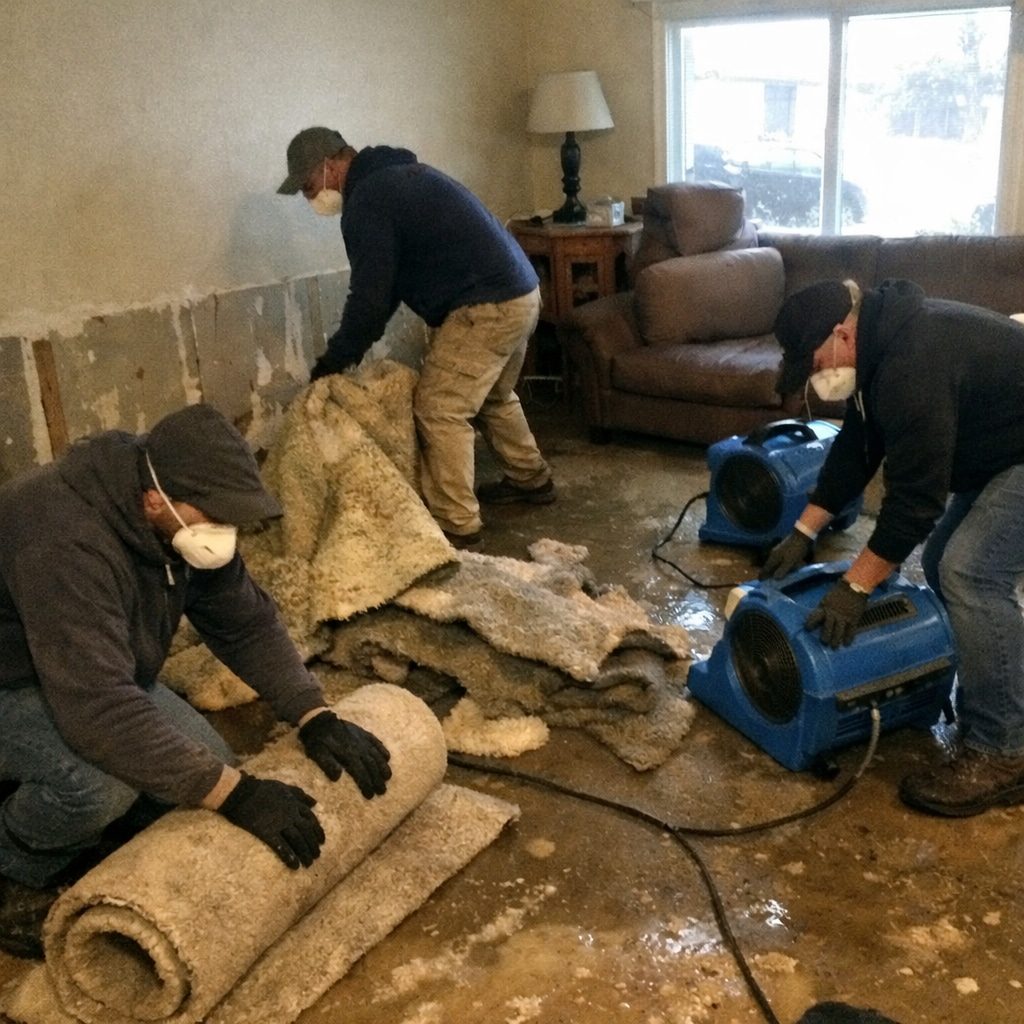
What is storm damage restoration? In a NY home, it is the work of making the building safe, stopping more weather from getting in, drying what is already wet, and then repairing what the wind, rain, ice, or falling limbs damaged. Storms injure a house in layers. A missing shingle, a pierced roof, driven rain, and a wet basement can all belong to the same event, and they have to be handled in an order that keeps a small leak from becoming a much larger interior loss.
Written by the Bowerman Cleaning and Restoration Team · November 17, 2026
Key Takeaways
- Storm damage restoration moves from safety and a temporary dry-in to drying, then to lasting repairs.
- Wind, rain, and falling limbs often damage the roof and openings first, then the rooms below.
- Water that is already inside still has to be extracted and dried, even after the hole is covered.
- Live case studies on this site cover specific events; this guide explains the overall job.
In This Guide
- What Does Storm Damage Restoration Include?
- How Do Storms Damage a House in Layers?
- Why Does the Order of Work Matter?
- What Do the Related Guides in This Cluster Cover?
- What Is Storm Damage Restoration FAQs
What Does Storm Damage Restoration Include?
Short answer: temporary protection of openings, removal of rainwater that is already inside, structural drying, and then repair of the roof, siding, and interior finishes. It is more than a single trade. Roofing, water restoration, and rebuild often have to work in sequence.
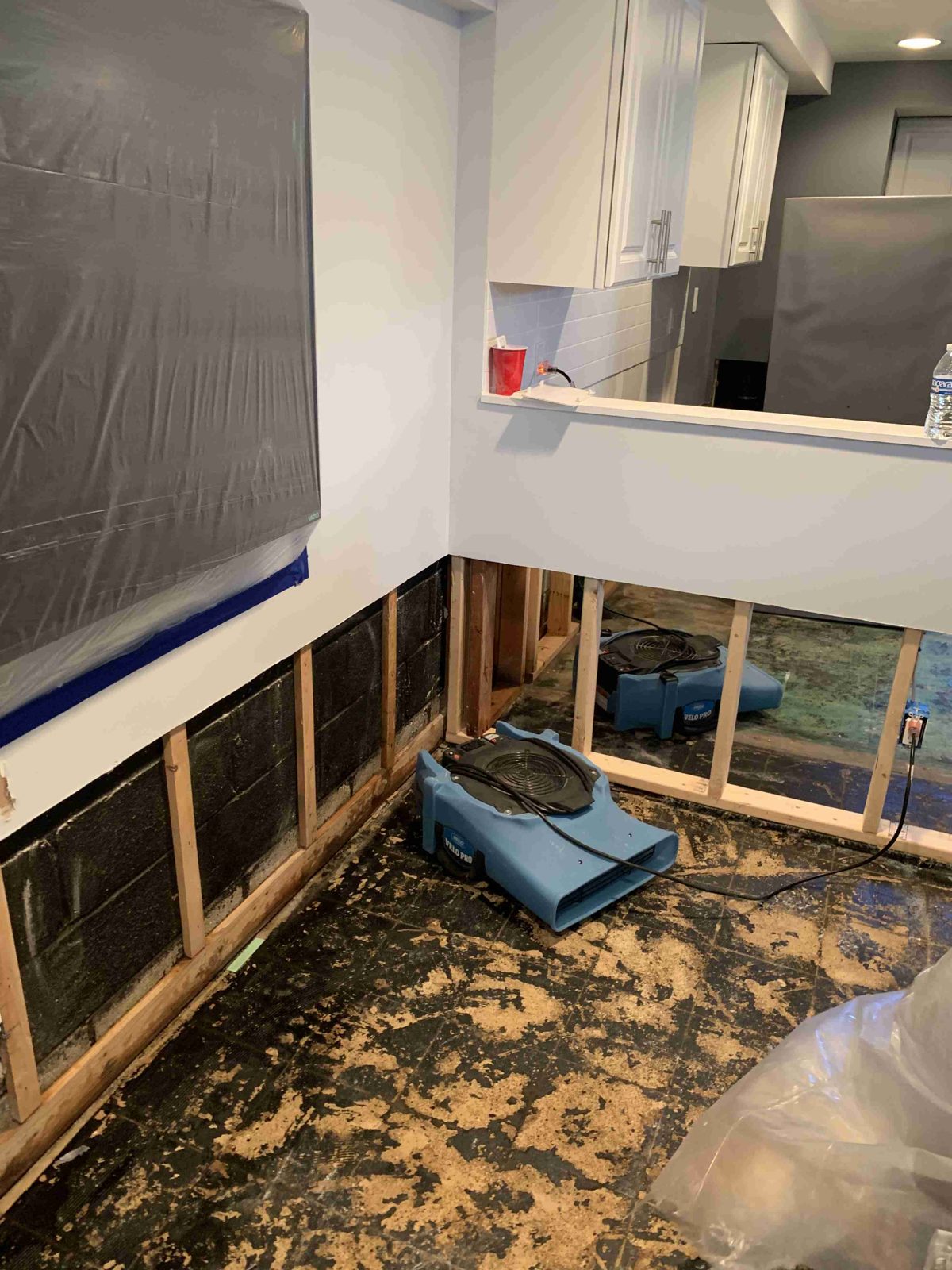
The first aim is safety and a dry-in: covering a roof opening, boarding a broken window, or closing another path so the next band of rain does not add to the loss. The second aim is to deal with water that is already in the building, using the same disciplines described in what water damage restoration is and the water damage drying process: extraction, opening of wet assemblies when needed, and measured drying. The third aim is lasting repair of shingles, siding, drywall, and other damaged finishes, which should wait until the wet materials are under control.
Ready.gov’s guidance on severe weather emphasizes safety first, then practical steps to limit further damage. Restoration is the professional counterpart of that order, applied to the building itself. For the service, see storm damage.
How Do Storms Damage a House in Layers?
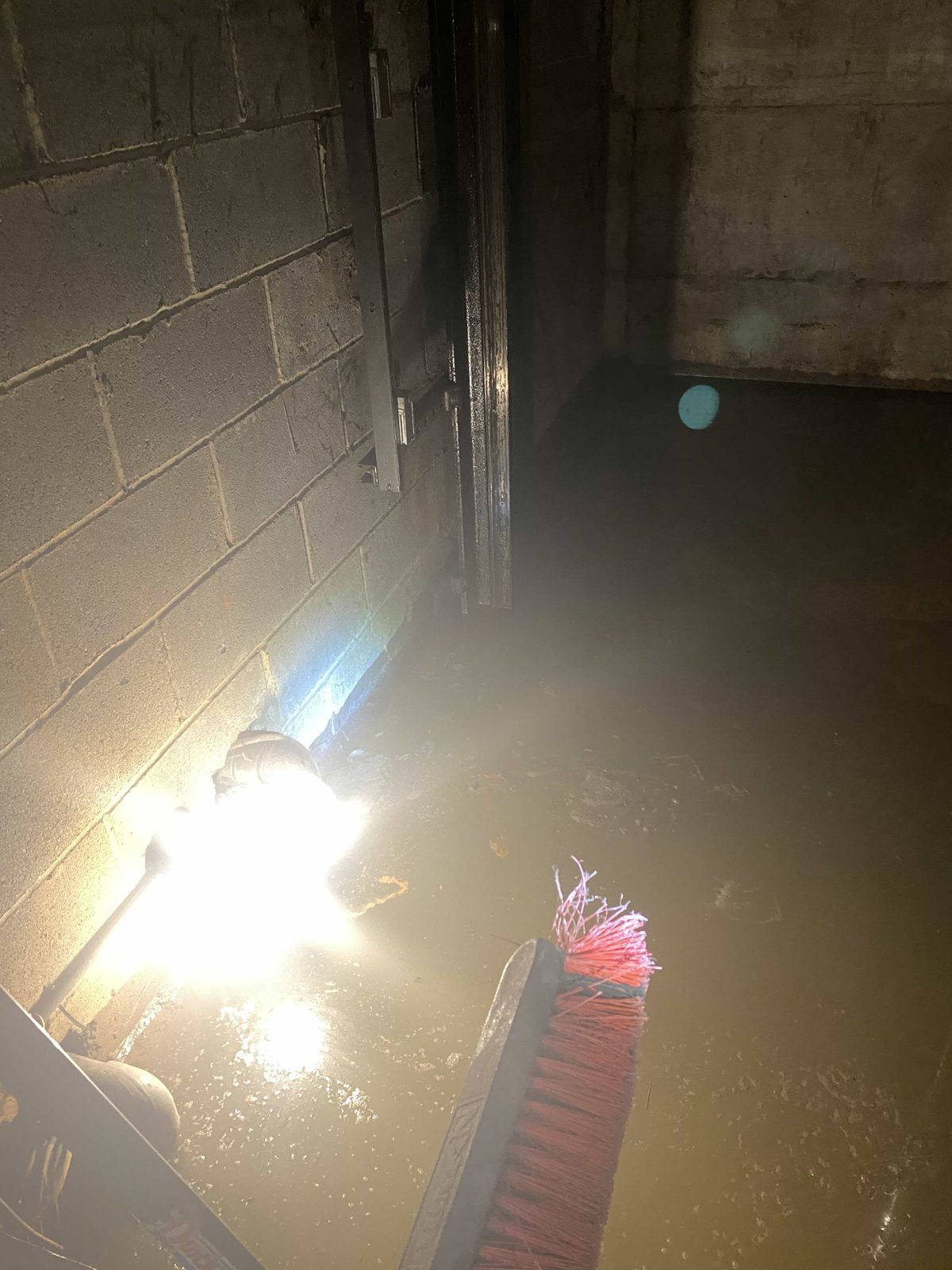
Short answer: wind and limbs open the envelope; rain follows those openings; water then travels through ceilings, walls, and sometimes into a basement. The visible hole is not always the only, or even the farthest, wet spot.
A branch through a roof is a clear example, and the live guide to what storm damage restoration involves when a tree hits a house walks through that event. Coastal and urban flooding are also specific versions of the same larger job: coastal storm surge damage restoration, storm surge flood restoration, and urban flood restoration after a severe storm are case studies, not replacements for this general definition. Heavy rain that enters a basement is covered in basement flood restoration after heavy rain.
Ice dams are a related winter path for water, described in what ice dam water damage restoration involves. This pillar stays with the overall restoration job: protect, dry, repair, in that order, whatever the storm type.
Storm damage at a Westchester County, NY property? Bowerman Cleaning and Restoration answers 24/7.
Why Does the Order of Work Matter?
Short answer: because a finished interior repair that is still getting wet from an open roof will fail, and a tarp that is never followed by drying leaves a hidden moisture problem. Each step protects the next one.
If wet drywall is replaced before the roof is stable and the cavity is dry, the new finish can stain or fail. If a basement is dried while rain is still pouring through a pierced deck, the drying equipment is working against an active source. The restoration plan should show who is doing the dry-in, who is extracting and drying, and who will complete the repairs, with enough overlap that no one is waiting in a still-open house.
Homeowners can make that order easier by keeping a simple record of who is doing the dry-in, who is running drying equipment, and when each trade is expected back. A roofer who arrives to find the interior already rebuilt, or a restoration crew that arrives to find the tarp already removed for a repair that then waits on materials, is working against the building. The live water damage restoration timeline is a useful companion for the interior clock. The storm job simply adds the envelope: the opening has to stay protected until the lasting repair is actually in place, not only until the first appointment is booked.
What Do the Related Guides in This Cluster Cover?
Short answer: first steps after a storm or a tree strike, the cleanup sequence, temporary board-up and tarping, water that travels after the rain, repairs, insurance, and timeline. Each one covers a part of the same job, from first steps and temporary protection to drying, repair, insurance, and timeline.
- Step by Step Storm Damage Cleanup Process
- What to Do First after Storm Damage?
- What to Do First after Tree Damage?
- Storm Damage Repair
- Storm Damage Insurance Claims
- Storm Damage Board Up and Tarping
- Water Intrusion after a Storm
- Storm Damage Repair Timeline
Live case studies and the storm damage service page are useful references as well. What to do first after water damage remains helpful whenever the storm has already put water in the rooms.
A storm can also leave a house with both a roof opening and a lower-level flood, or with an ice dam in the same season as a wind event. In those mixed losses, the definition does not change: safety, a dry-in where it is needed, drying of what is already wet, and then repair. The cluster guides can be read in any order, but the work itself still has to follow that sequence if the repairs are going to last.
What Is Storm Damage Restoration FAQs
Is storm damage restoration the same as a roof repair?
No. Roof repair or a temporary tarp may be one part of it. Restoration also includes the water inside the building and the later interior repairs.
Is it the same as water damage restoration?
The drying and interior work often use the same methods. Storm work adds the envelope damage, such as roofs, windows, and siding, and the need to stop more weather from entering.
Does every storm loss need a full restoration?
No. A few missing shingles with a dry interior may be a roofing call only. Once water has entered rooms, restoration of those interiors usually belongs in the plan.
What should happen first?
Safety, then a temporary dry-in if it can be done safely, then documentation, then extraction and drying. Standing under a damaged roof or near downed lines is not the first step.
Are storm surge and a tree strike the same kind of job?
They are both storm losses, but the details differ. Surge is a flooding event. A tree strike is often a roof-and-opening event with water below. Both still follow protect, dry, and repair.
Questions about what storm damage restoration is in a Westchester NY home? Bowerman Restoration LLC d/b/a Bowerman Cleaning & Restoration, 7 Intervale Street, White Plains, NY 10606, answers 24/7 at (844) 269-3762.