
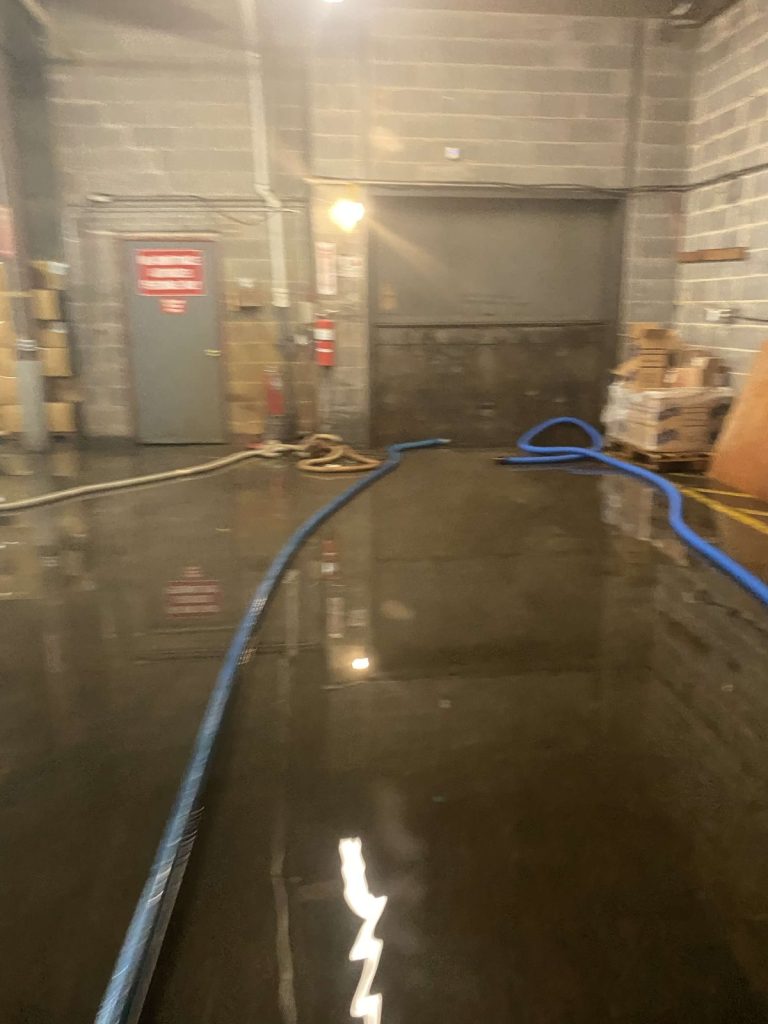
Sewage damage cleanup is the controlled removal of wastewater, contaminated materials, and residue after a backup or broken waste line in a NY building. It treats the water as grossly contaminated: crews extract it, remove soaked porous materials, clean and disinfect what stays, then dry the structure before any rebuild starts.
Written by the Bowerman Cleaning and Restoration Team · August 12, 2026
Key Takeaways
- Sewage is treated as Category 3 water, the most contaminated category of water loss.
- The work runs in a set order: protect, extract, remove, clean, disinfect, dry, then rebuild.
- Soaked porous materials such as carpet, pad, and wet drywall are usually removed rather than cleaned.
- Drying is confirmed with moisture readings, not by touch or by how a room smells.
- Household mops, wet vacs, and bleach are not a substitute for a contaminated-water protocol.
In This Guide
- What Does Sewage Damage Cleanup Cover?
- How Does the Cleanup Process Work?
- How Is It Different From Regular Water Damage Cleanup?
- When Should a Professional Be Called?
- Related Guides
- What Is Sewage Damage Cleanup FAQs
What Does Sewage Damage Cleanup Cover?
Short answer: everything the wastewater touched, from floors and lower walls to contents, plus the drying of the building itself.
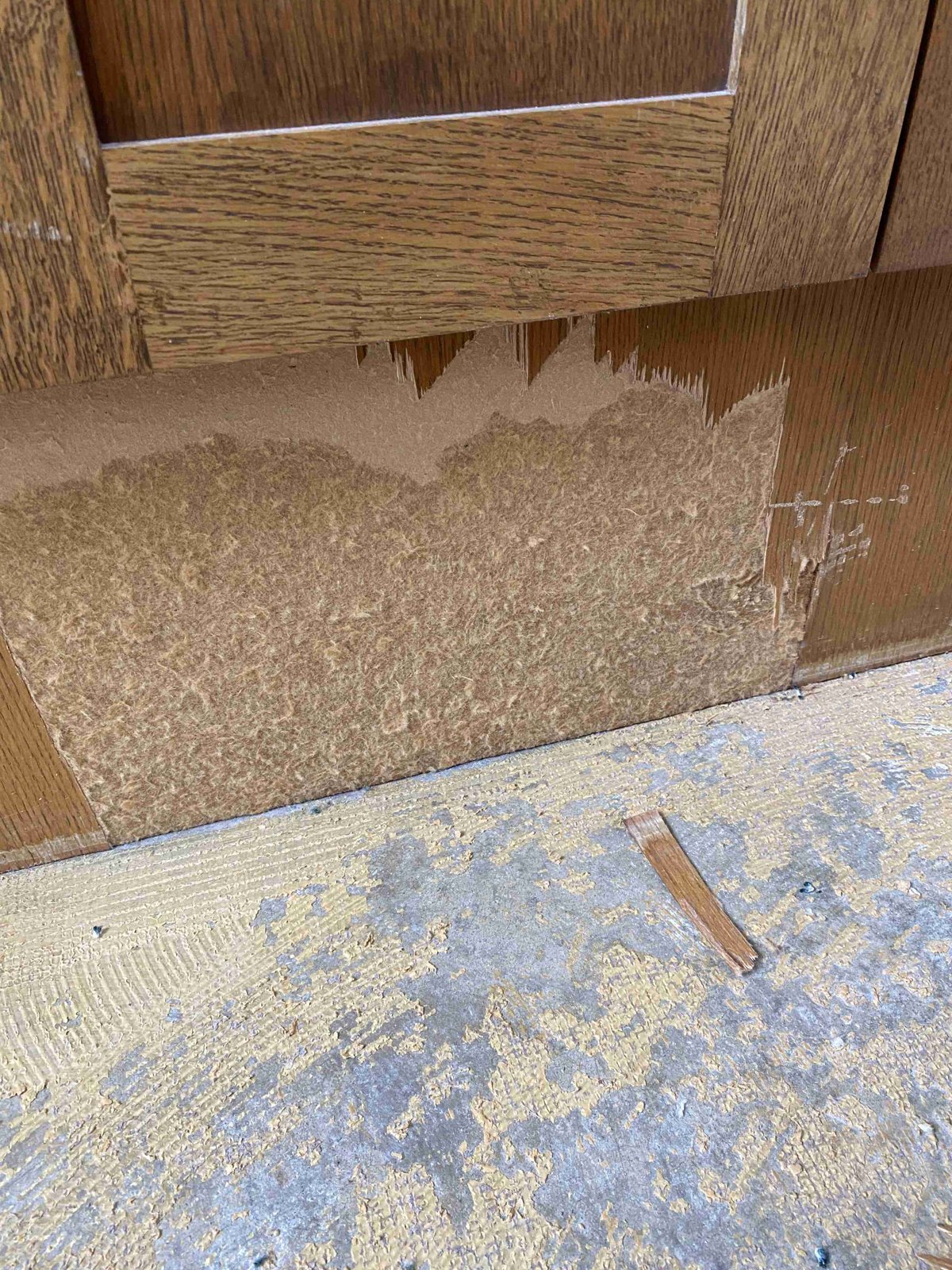
A sewage loss is not only a floor problem. Wastewater wicks up drywall, soaks into carpet pad and subfloor seams, and runs under cabinets and baseboards. It also leaves residue on hard surfaces that look clean once the water is gone. A complete cleanup addresses each of those zones and documents what was removed and why.
| Area | Typical approach | Why |
|---|---|---|
| Standing wastewater | Pumped or extracted with dedicated equipment | Removes the bulk of the contamination first |
| Carpet and pad | Removed and bagged | Porous layers hold contaminants that cleaning cannot reach |
| Drywall and insulation | Cut above the wet line and removed | Wicked water carries contamination up the wall |
| Hard floors, framing, concrete | Cleaned, disinfected, and dried | Non-porous or semi-porous surfaces can often stay |
| Contents | Sorted: clean, restore, or discard | Value and material type decide what is salvageable |
Sewage is grouped with the most serious type of water damage. The live guides on water damage categories and water damage category and class explain where it sits in that system.
How Does the Cleanup Process Work?
Short answer: it follows a fixed order so contamination is removed before anything is dried or rebuilt.
- Stop the source and protect people. The backup is stopped or isolated, the area is closed off, and people and pets stay out.
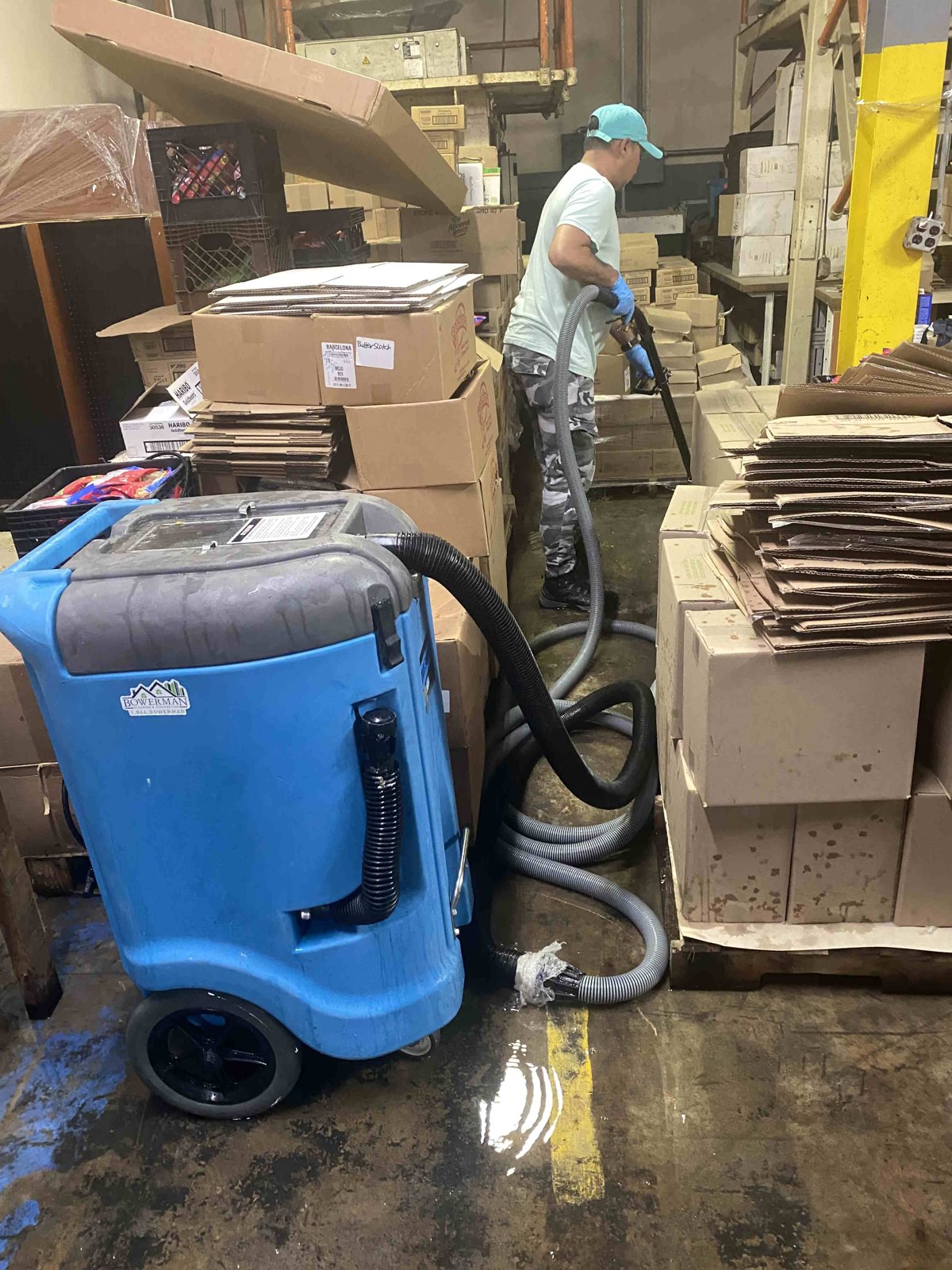
- Extract the wastewater. Standing water and solids are removed with pumps or extraction units.
- Remove unsalvageable materials. Soaked carpet, pad, lower drywall, and insulation are cut out and bagged.
- Clean and disinfect. Remaining surfaces are cleaned of residue, then treated with a registered disinfectant.
- Dry and verify. Air movers and dehumidifiers run until moisture readings reach normal levels.
- Rebuild. New drywall, flooring, and finishes go in only after the structure is clean and dry.
The drying stage follows the same discipline as any structural dry-out, described in the water damage drying process. Disinfectants should be products registered for the purpose; the EPA keeps lists of registered disinfectants for reference.
Sewage backup at a Westchester County, NY property? Bowerman Cleaning and Restoration answers 24/7.
How Is It Different From Regular Water Damage Cleanup?
Short answer: clean-water losses can often be dried in place, while sewage losses require removal and disinfection first.
A supply-line leak is clean at the source. Carpet can sometimes be dried and saved, and drywall can often be dried without cutting. Wastewater changes that math. Contaminated porous materials are generally removed, crews wear protective equipment, and the work area is kept separate from the rest of the building. What water damage restoration is covers the clean-water side of the trade.
Sewage cleanup also overlaps with pathogen work. Biohazard cleanup vs sewage cleanup explains where those two services meet and where they part.
When Should a Professional Be Called?
Short answer: any time wastewater has reached living space, porous materials, or HVAC equipment, or when the source is not clear.
A toilet overflow of clear bowl water that is wiped up in minutes is a small event. Brown water from a floor drain, a tub that fills from below, or several fixtures backing up at once points to a sewer line problem and a larger cleanup. OSHA notes that flood and wastewater response carries real health and safety hazards for the people doing the work.
- Wastewater on carpet, in a finished basement, or under cabinets.
- Water that has sat for more than a day or two.
- A smell that stays after the floor looks dry.
- Children, older adults, or anyone with a weakened immune system living in the home.
The sewage damage cleanup and restoration service page describes the full scope of the work, and the sewage tips page lists quick steps for the first hour. For general first moves after any water event, see what to do first after water damage.
Related Guides
- What to Do First after a Sewage Backup?
- Category 3 Water Damage
- Black Water Cleanup
- Sewage Cleanup Health Risks
- Sewage Cleanup Timeline
- Sewage Damage Insurance Coverage
- Sewage Backup vs Flood Water Cleanup
- Sewage Sanitizing Process
- Sewage Backup Causes
- Sewage Exposure Risks
- Sewage Cleanup Mistakes
- Items to Discard after a Sewage Backup
- Sewage Cleanup Company Questions
- Sewage Backup Warning Signs
- Sewage vs Water Damage Cleanup
- Category 2 vs Category 3 Water
- Sewage Backup vs Sewer Line Break
- Sewage Cleanup Company vs Plumber
- Sewage Backup vs Clean Water Flooding
What Is Sewage Damage Cleanup FAQs
Is sewage damage cleanup the same as water damage restoration?
It is a branch of it. The difference is the contamination level, which changes what can be saved and adds cleaning, disinfection, and protective equipment to the job.
Can carpet be saved after a sewage backup?
Wall-to-wall carpet and pad soaked by sewage are usually removed. Some area rugs can be professionally cleaned, depending on the fiber and exposure.
Is bleach enough to clean sewage?
No. Bleach does not remove residue, can damage materials, and should never be mixed with other cleaners. Removal and cleaning come first, then a registered disinfectant.
How long does sewage damage cleanup take?
Extraction and removal often take one to two days. Drying usually takes several more days, and rebuild time depends on how much material was removed.
Does insurance cover sewage damage cleanup?
It depends on the policy. Many standard homeowners policies need a separate sewer or drain backup endorsement for this kind of loss.
Need sewage damage cleanup for a Westchester NY home or building? Bowerman Restoration LLC d/b/a Bowerman Cleaning & Restoration, 7 Intervale Street, White Plains, NY 10606, answers 24/7 at (844) 269-3762.